Expedite
Expedite refers to the process of coordinating food orders from kitchen to dining room, with the expeditor (or expo) serving as the communication link between front-of-house and back-of-house while performing final quality checks at the pass.
To expedite in a restaurant means to coordinate the flow of food orders from kitchen to dining room, ensuring proper timing, quality control, and communication between front-of-house and back-of-house staff. The person performing this role—called an expeditor, expo, or wheelman—serves as the vital link between servers and cooks during service, managing the sequence of dishes and performing final quality checks before plates reach guests.
The Expeditor’s Station: The Pass
Expeditors work at ‘the pass’—the counter or surface where completed dishes are placed before leaving the kitchen. This strategic position allows them to inspect every plate for temperature, accuracy, presentation, and food safety compliance. In many kitchens, this is also where final garnishes and finishing touches are added before service.
The pass functions as the command center during service. From this position, expeditors can see both the kitchen line and the dining room, allowing them to coordinate timing between multiple stations and ensure all components of an order are ready simultaneously.
Key Responsibilities During Service
Expeditors organize and prioritize ticket orders as they come in, calling out items to various kitchen stations. They use specific terminology: “on the fly” signals a dish needs immediate attention (usually due to an error or special request), while “all day” refers to the total count of a particular item across all active tickets.
Quality control represents another critical function. Before any plate leaves the pass, the expeditor verifies portion sizes, proper temperature, correct accompaniments, and presentation standards. This final checkpoint prevents mistakes from reaching guests and maintains consistency across service.
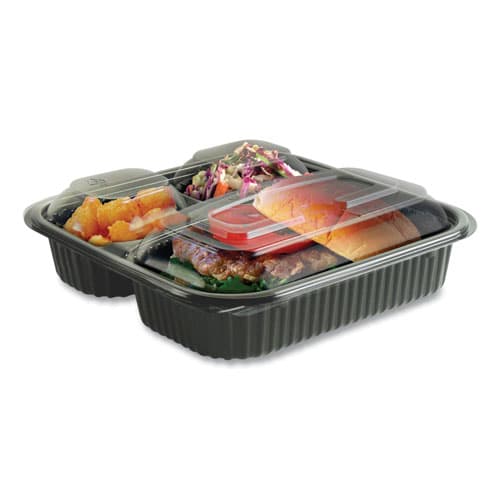
For takeout and delivery orders, expeditors coordinate proper packaging in containers like takeout containers and cartons and boxes, ensuring food maintains quality during transport.
Skills and Requirements
Effective expediting requires excellent communication skills and the ability to remain calm under pressure. Physical stamina matters too—expeditors stand for entire shifts, often in hot kitchen environments. Strong organizational abilities and detailed menu knowledge are essential, but culinary training isn’t always required. Many restaurants promote hosts or bussers into this role based on demonstrated organizational skills rather than cooking expertise.
In smaller restaurants, servers typically expedite their own food. Dedicated expeditors are more common in larger establishments or fine-dining restaurants where complex menus and high ticket volumes demand specialized coordination. Some jurisdictions require expeditors to obtain food handler’s cards since they directly handle plated food before service.
Impact on Operations
The expeditor directly influences both service quality and food cost control. By managing ticket times efficiently, they prevent food from sitting under heat lamps and ensure guests receive properly timed courses. Poor expediting leads to cold food, incorrect orders, and increased waste—all of which damage guest experience and profit margins.
During busy service periods, a skilled expeditor can make the difference between smooth operations and kitchen chaos. They prevent bottlenecks by anticipating rushes, communicating clearly with all stations, and maintaining awareness of every table’s status throughout the dining room.
Common Uses
The term 'expedite' is used throughout restaurant service, primarily by managers, head chefs, and front-of-house staff. Servers might say "Can you expedite table 12?" when guests are waiting longer than expected. Kitchen staff use the shortened "expo" when referring to the person or the station: "Put it on the expo" means placing completed dishes at the pass for final inspection.
The expeditor uses specific kitchen shorthand during service. Calling "on the fly" signals immediate priority for a dish, typically because of an error that needs correction or a special guest request. Using "all day" communicates total quantities across all active orders: "I need three salmon all day" tells the fish station the total count needed across multiple tickets, not just one order.
In fine-dining establishments, the expeditor role carries significant authority, often filled by a sous chef or senior cook who can make real-time decisions about plate presentation and timing. In casual restaurants, the role may rotate among experienced servers or bussers who understand both kitchen flow and guest needs.