Glove Protocol
Glove protocol refers to the systematic procedures for proper disposable glove use in food service, including when gloves must be worn, how to properly don and remove them, when they must be changed, and the mandatory handwashing requirements that accompany their use to prevent cross-contamination.
Glove protocol refers to the systematic procedures for proper disposable glove use in food service to prevent cross-contamination and ensure food safety. These protocols include when to wear gloves, how to properly don and remove them, and when they must be changed during service. The FDA Food Code requires gloves or barriers when handling ready-to-eat (RTE) foods that won’t be cooked further, making proper glove protocol a critical component of any food safety program.
When Gloves Must Be Changed
Food service gloves must be changed when switching between different tasks, such as moving from handling raw proteins to preparing ready-to-eat foods. Gloves should be replaced after 4 hours of continuous use, even if they appear clean. They must be immediately changed when damaged, torn, or soiled, or after touching potential contaminants like face, hair, or non-food surfaces.
Between handling raw and cooked foods, glove changes are mandatory to prevent cross-contamination. After removing trash, answering phones, or handling money, new gloves are required before returning to food preparation. This systematic approach to glove changes forms the backbone of effective food safety protocols.
The Three-Part Glove System
Proper glove protocol follows a three-part system that starts with rigorous handwashing at a designated handwashing station. Hands must be thoroughly washed before putting on gloves and again after removing them. Gloves are never a substitute for proper handwashing—they simply provide an additional barrier against contamination.
The second step involves selecting appropriate food-safe gloves that meet FDA Title 21 CFR Part 177 standards. The final component requires knowing exactly when gloves must be changed, which protects both food safety and operational compliance. This three-part system ensures that glove use actually enhances food safety rather than creating a false sense of security.
Choosing the Right Glove Material
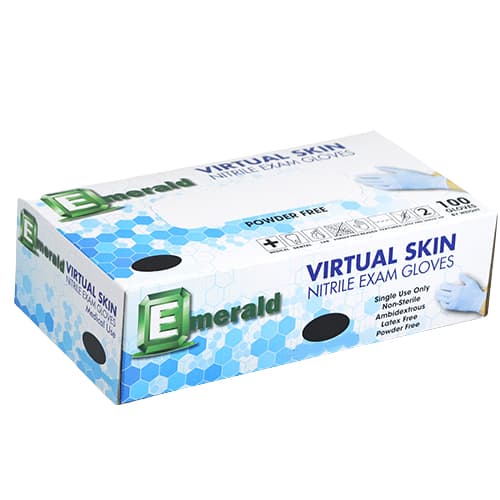
Nitrile gloves are the industry-preferred choice because they’re three times more puncture-resistant than latex and offer excellent chemical resistance. They’re ideal for handling raw proteins, working with sharp tools, and protecting against harsh cleaning chemicals. Powder-free nitrile gloves eliminate the risk of powder contamination while providing superior durability.
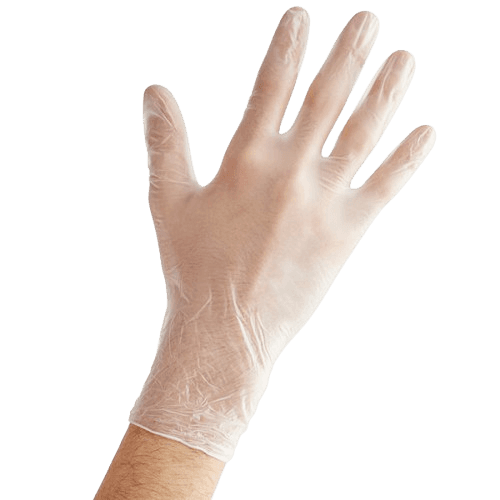
Vinyl gloves offer a latex-free alternative for workers with allergies, though they provide less puncture resistance than nitrile. They work well for light-duty tasks and short-duration food handling. All food service gloves must be powder-free to prevent contamination and clearly labeled as FDA-compliant for food handling. Latex gloves, while offering good elasticity and fit, pose allergy concerns and are being phased out in many operations.
Common Protocol Violations
The most common glove protocol violation is treating gloves as a substitute for handwashing. Research from the National Advisory Committee on Microbiological Criteria for Foods shows that contaminated gloved-hand contact is one of the top four contributing factors to foodborne illness outbreaks. Bacteria can transfer through microscopic holes in gloves, and gloves themselves become contaminated during donning and doffing.
Another frequent violation is wearing the same pair of gloves for multiple tasks throughout a shift. Single-use gloves are designed for one specific task only and must be discarded between different activities. Attempting to wash and reuse disposable gloves creates microscopic holes that allow pathogens to pass through, completely defeating their protective purpose.
Color-Coded Glove Systems
Many operations implement color-coded glove systems to prevent cross-contamination through visual cues. Blue gloves might be designated for ready-to-eat foods, while a different color is reserved for raw protein handling. This system helps prep cooks and line staff instantly recognize when they need to change gloves during task transitions.
Brightly colored gloves, particularly blue, offer an additional safety benefit: if a piece tears off into food, it can be easily spotted and removed before service. This visibility factor adds another layer of food safety protection beyond the basic barrier function of the glove itself.
Legal Requirements and Compliance
FDA Food Code Chapter 3-301.11(B) prohibits bare hand contact with ready-to-eat foods, but gloves are just one compliance option. Tongs, spatulas, deli tissue, and other barriers also satisfy this requirement. However, gloves become legally mandatory when food handlers have cuts, burns, or open wounds on their hands—no alternative barriers are acceptable in these situations.
Local health departments may enforce stricter rules than the federal Food Code, so operators should verify their jurisdiction’s specific requirements. All gloves used must meet FDA Good Manufacturing Practices (GMPs) and be produced in clean, contaminant-free environments. Proper documentation of glove protocols and staff training records helps demonstrate compliance during health inspections.
Common Uses
Glove protocol is implemented throughout food service operations whenever staff handle ready-to-eat foods that won't receive further cooking. Line cooks reference these protocols when plating salads, assembling sandwiches, or garnishing finished dishes. Prep cooks follow glove protocol when portioning cooked proteins, preparing fruit trays, or handling cheese and deli meats.
Kitchen managers use glove protocol during staff training and as part of regular food safety audits. During health inspections, inspectors specifically observe whether staff are following proper glove protocols, including handwashing before donning and appropriate glove changes between tasks. Front-of-house staff apply these protocols when handling bread, setting up salad bars, or preparing beverage garnishes.
The protocol becomes especially critical during high-volume service when staff might be tempted to skip glove changes to save time. Color-coded systems help reinforce protocol compliance during busy periods by providing visual reminders of proper glove use across different stations.