Housekeeping Cart
A housekeeping cart is a wheeled, multi-shelf mobile unit used by hotel room attendants to transport and organize clean linens, towels, guest amenities, cleaning agents, and waste bags needed to service a full section of guest rooms in a single shift.
A housekeeping cart is a wheeled, multi-shelf mobile unit that room attendants use to transport every supply needed to service a full section of guest rooms in a single shift — clean linens, towels, guest amenities, cleaning agents, and waste bags — without returning to a central supply room. Often called a maid’s cart, room attendant’s trolley, or chambermaid’s trolley, it functions as a mobile workstation for the floor.
Construction and Design
Most carts are built from reinforced plastic, stainless steel, or powder-coated metal frames that resist corrosion, dents, and daily chemical exposure. Non-marking polyurethane wheels are the industry standard — they protect corridor flooring from scuffs and reduce noise to avoid disturbing guests.
Carts typically feature three or more open shelves, with enclosed lockable cabinets or drawers available on higher-end models. Upscale and luxury properties favor enclosed designs to keep cleaning supplies out of guests’ sight and to secure single-use amenity inventory when the cart is unattended.
How to Load a Housekeeping Cart
Industry best practice follows a top-down loading protocol: lightweight, high-frequency items — spray bottles, guest amenities, hand caddies — go on upper shelves for quick access. Heavy bulk linens, mattress protectors, and bed sheets load onto the bottom shelf to keep the cart stable while moving through corridors.
Soiled linens must always be stored in sealed bags, fully separated from clean items. This separation is a core hygiene requirement in hotel standard operating procedures and a direct measure against cross-contamination during room turnovers.
Typical Cart Inventory
A fully stocked cart for a standard mid-service shift carries clean bed linens (sheets, pillowcases, mattress protectors), bath and hand towels, and replacement guest amenities such as soap, shampoo, conditioner, and coffee pods. The cleaning caddy holds spray bottles, sponges, brushes, and wiping cloths. Waste bags and soiled linen bags round out the load.
Stocking quantities are determined by par levels — predetermined supply counts that cover all rooms in the attendant’s assigned station for the shift. In most full-service hotels, one cart supports 12–16 rooms per shift.
Cart Positioning and Corridor Protocol
Room attendants park the cart in the corridor outside the room being cleaned, with the open side facing the wall. This positioning signals to passing guests that the room is occupied and actively being serviced, and it keeps the supply side accessible without blocking the hallway.
Cleaning and Sanitation Requirements
Carts require a full wipe-down of all surfaces, handles, and shelves at the end of every shift. Deep cleaning should occur weekly or bi-weekly, and carts must be fully disinfected immediately following any contamination incident or before being repurposed for a different use. This aligns with the working clean principle that governs professional housekeeping operations.
OSHA’s Hazard Communication Standard (HazCom 2012) requires that Safety Data Sheets (SDS) be accessible for every chemical transported on the cart, and that staff receive documented training on each product. This is a compliance requirement — not optional guidance.
Ergonomics and Injury Prevention
Musculoskeletal injuries are among the most common workplace injuries in hotel housekeeping. OSHA ergonomics guidelines recommend a “push, don’t pull” cart protocol, combined with lightweight cart materials and ergonomically positioned handles, to reduce wrist and back strain. Some U.S. states, including California, have enacted housekeeper protection laws that mandate ergonomic injury prevention programs affecting how carts are stocked and operated.
Cart Setup as an Operational Duty
Cart setup and stocking is one of the primary opening duties room attendants complete at the start of each shift before servicing begins. End-of-shift cart breakdown and restocking for the next day fall under structured side work. Supervisors monitor cart usage to track supply consumption, control costs, and flag unusual inventory loss per shift.
Supplies Stocked on Housekeeping Carts
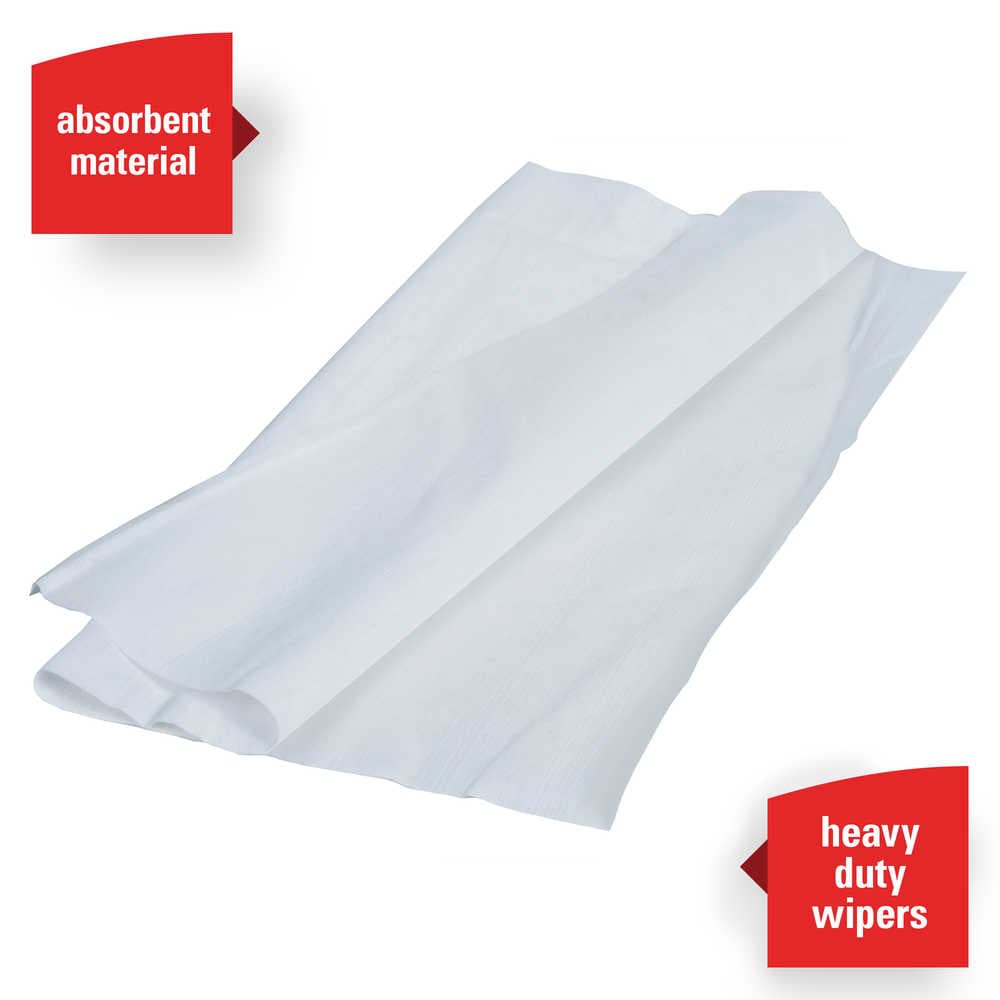
Reusable wiping cloths are a standard cart item for surface cleaning, bathroom sanitation, and fixture wiping across every room turn. Heavy-duty options like WypAll® X80 Cloths and WypAll® X70 Cloths are commonly stocked in bulk for full-floor coverage, with smaller case formats available for per-cart restocking. For bathroom scrubbing and fixture work, heavy-weight shop towels provide the durability needed for tough cleaning tasks.
Housekeeping staff also handle in-room air freshener maintenance during room rounds. Programmable aerosol dispensers like the Big D Fully Programmable Aerosol Dispenser are a standard restocking item during room service. Browse the full range of housekeeping and cleaning supplies for cart-ready options.
Key Properties
Common Uses
Department & Usage: Housekeeping carts are the primary operational tool of the housekeeping department, used exclusively by room attendants during daily room servicing shifts. At the start of each shift, attendants stock the cart to par level based on their assigned station — the section of rooms they are responsible for that day. The cart travels with the attendant room to room throughout the shift, parked in the corridor outside each room being cleaned. Supervisors use cart inventory tracking to monitor supply usage, control consumable costs, and identify unusual loss per shift. In addition to daily use, housekeeping managers reference cart setup standards when training new room attendants and when conducting brand SOP compliance checks.
Sustainability
Stocking reusable heavy-duty wiping cloths — such as microfiber or WypAll-style products — on housekeeping carts reduces dependence on single-use paper towels and lowers per-room waste generation. Concentrated chemical dispensing systems paired with properly labeled reusable spray bottles on the cart reduce plastic packaging waste compared to pre-diluted single-use products. Hotels pursuing eco-certifications (such as Green Seal or EPA Safer Choice) should ensure all cart-stored cleaning products meet certification requirements and are labeled accordingly. Modern high-density polyethylene cart frames tend to outlast traditional metal carts, reducing replacement frequency and associated manufacturing waste over a property's operational lifespan.
Related Products