Kraft Paper
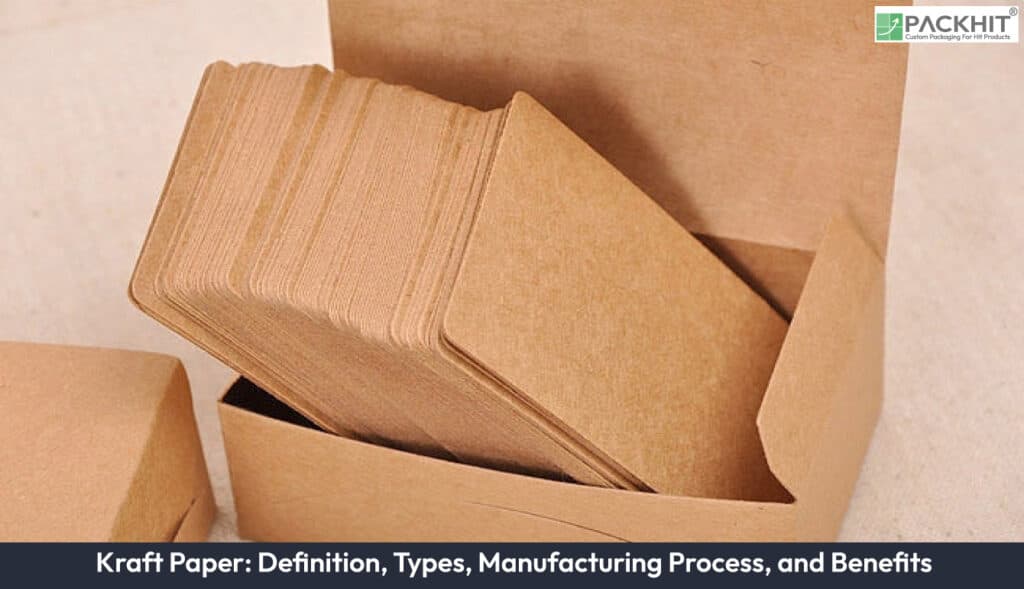
Kraft paper is a strong packaging material produced from chemical pulp using the kraft process, which preserves long cellulose fibers to create paper with tensile strength exceeding 300g/cm—double that of traditional packaging paper.
Kraft paper is a strong packaging material produced from chemical pulp using the kraft process, which preserves long cellulose fibers for exceptional durability. The natural brown version is the strongest of all common packaging papers, with tensile strength exceeding 300g/cm compared to 150g/cm for traditional packaging paper. Bleached kraft paper offers a bright white appearance while maintaining the same underlying strength.
The kraft process removes lignin while keeping fiber length intact, creating pulp that’s significantly stronger than other pulping methods. Unbleached pulp yields the characteristic light brown kraft paper used when maximum strength is required. Bleached variants use ECF (Elemental Chlorine-Free) or TCF (Totally Chlorine-Free) processes to achieve white finishes without compromising structural integrity.
What Are the Main Types and Weights of Kraft Paper?
Kraft wrapping paper is produced in a grammage range of 50–90 g/m² for general packaging applications. Food-grade kraft paper typically ranges from 28gsm for lightweight wraps to 180 g/m² for heavy-duty containers and lids. Sack kraft paper is a porous variant with high elasticity and tear resistance designed specifically for industrial and retail bags.
Kraft paper can be coated or laminated to improve barrier properties and add strength for specific applications. Wet strength kraft paper is produced by adding polyamide or polyamine resin into the fiber and curing under heat, making it suitable for applications involving moisture. Wax-coated kraft paper provides grease resistance for food packaging, while polymer coatings enhance water resistance for hot food containers.
Is Kraft Paper Safe for Food Contact?
Yes, food-grade kraft paper is FDA-approved for direct contact with dry, wet, and greasy foods. It meets TAPPI T 559 Kit test standards for oil and grease resistance when treated or coated appropriately. Food service operators use kraft paper for everything from butcher wraps to hot soup lids without safety concerns.
FSC and PEFC certifications ensure kraft paper comes from responsibly managed forests. Direct food contact certifications are available for grades used in deli containers, sandwich wraps, and bakery packaging. Look for supplier documentation confirming FDA compliance and third-party food safety testing for your specific application.
How Does Kraft Paper Compare to Plastic Packaging?
Kraft paper offers superior sustainability with recycling rates exceeding 80% in the United States—over 79% according to recent industry data—compared to less than 30% for plastic packaging. It biodegrades naturally when uncoated or coated with compostable films, reducing landfill burden and environmental impact. Made from renewable wood pulp resources, kraft paper has a lower carbon footprint than petroleum-based plastics.
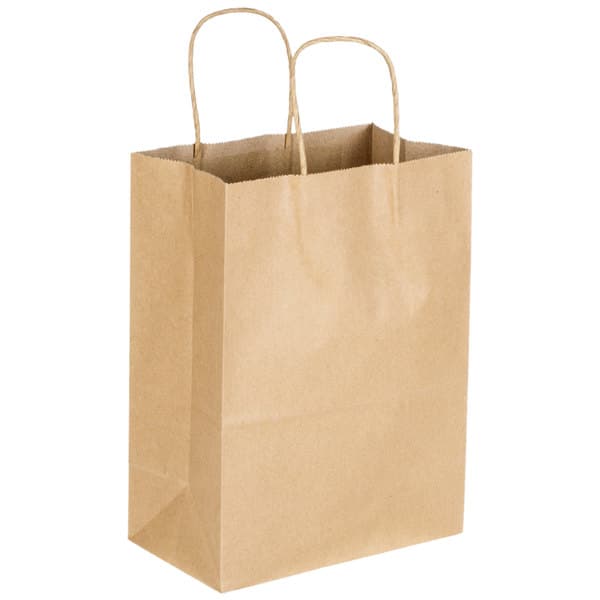
The material provides comparable or better performance for many applications while meeting growing consumer demand for plastic-free packaging. Kraft shopping bags handle heavy items with twisted or flat handles, rivaling plastic bag durability. For operators prioritizing sustainability without sacrificing functionality, kraft paper delivers strength, FDA approval, and recyclability in one material.
What Should Foodservice Operators Know When Buying Kraft Paper Products?
Match the paper weight to your application: 50-70 g/m² works for wraps and liners, while 80-120 g/m² suits bags and heavier-duty packaging. Verify food contact certifications if packaging will touch food directly—uncoated kraft paper is generally safe, but coatings require specific FDA approval. Check whether products are FSC or PEFC certified if sustainability claims matter to your customers.
Consider whether you need natural brown kraft for maximum strength or bleached white kraft for presentation and branding. Coated options like GR (grease-resistant) or wax finishes add functionality but may affect recyclability—confirm with your waste hauler if this impacts your recycling program. For hot food applications, ensure the kraft product is rated for temperature resistance and won’t compromise structural integrity when exposed to steam or moisture.
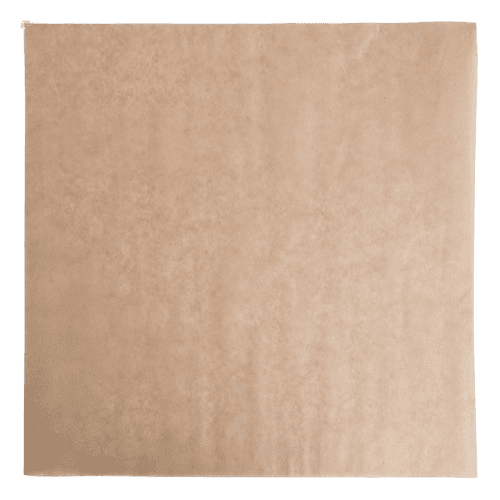
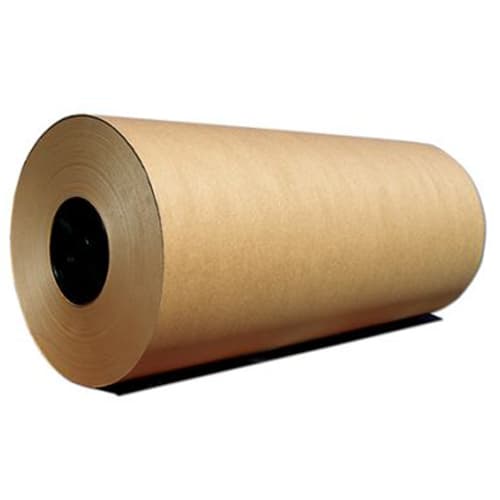
Standard sizes for deli sheets and wraps include 12″x12″ and 15″x15″ squares, while butcher paper typically comes in 18″ to 24″ width rolls. Shopping bags range from small bistro sizes (10″x6.5″x12″) to jumbo retail bags (18″x7″x18.75″). Order samples to test strength, grease resistance, and fold quality before committing to large case quantities.
Key Properties
Common Uses
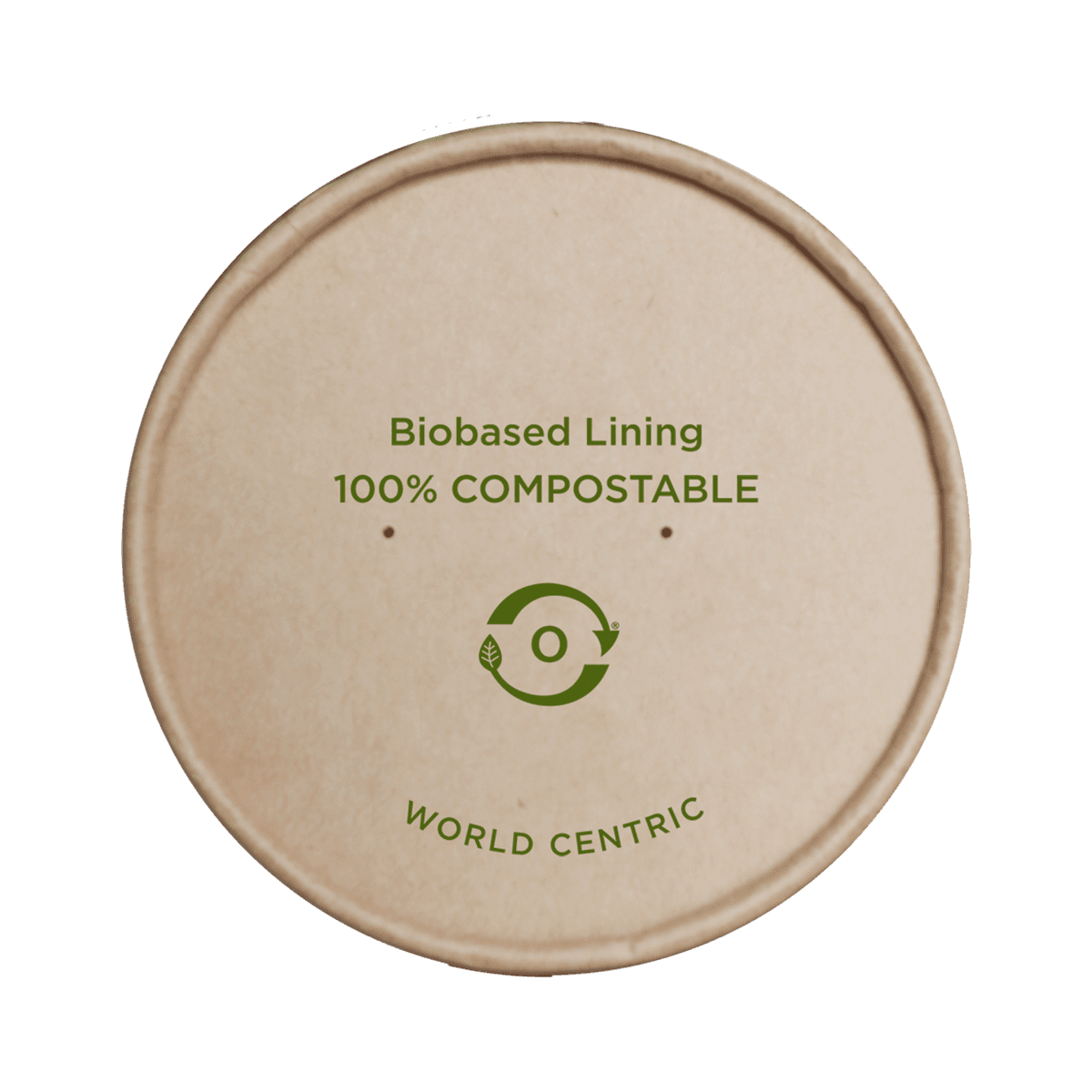
Kraft paper is used extensively in food service for butcher wraps, deli sheets, sandwich paper, bakery bags, and shopping bags with handles. Hot food applications include soup bowl lids, beverage trays, and takeout containers. Retail operations use kraft paper for shopping bags, gift wrap, and product packaging. Industrial applications include sack kraft paper for heavy-duty bags and protective wrapping for shipping.
Sustainability
Kraft paper is highly sustainable with recycling rates exceeding 80% in the United States and over 79% industry-wide—far higher than plastic's sub-30% rate. It biodegrades naturally in composting conditions and breaks down in landfills without releasing harmful chemicals. Made from renewable wood pulp sourced from responsibly managed forests (FSC and PEFC certified), kraft paper has a lower carbon footprint than petroleum-based packaging. When uncoated or coated with compostable films, it becomes a fully biodegradable packaging option that supports circular economy goals.