Piping Bag
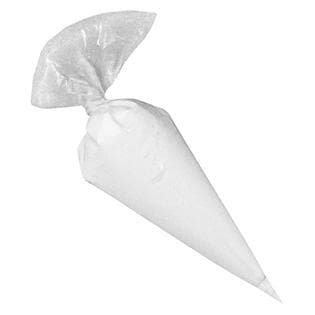
A piping bag is a cone- or triangular-shaped tool used to pipe semi-solid foods by squeezing them through a narrow opening fitted with a shaped nozzle, commonly used for cake decorating, filling pastries, and shaping dough.
A piping bag is a cone-shaped tool used to squeeze semi-solid foods through a fitted nozzle for decorating, filling, and shaping. Made from cloth, silicone, plastic, or disposable materials, it’s essential for cake decorating, filling doughnuts, piping meringue, and creating pastries like éclairs and cream puffs.
How Piping Bags Work
The bag features a wide opening at one end for filling and a narrow opening at the other that holds a piping tip. Fill the bag no more than two-thirds full, twist or roll the top closed, then apply steady pressure to extrude contents through the tip. This simple mechanism gives bakers precise control over portioning and decorating.
French chef Marie-Antoine Carême popularized the piping bag around 1820 for creating uniform meringue decorations and intricate pastry work. Before his innovation, pastry chefs relied on less precise hand-piping methods that produced inconsistent results.
Types and Materials
Disposable piping bags made from lightweight plastic eliminate cleaning time and prevent cross-contamination between batches. They’re ideal for high-volume operations where staff needs to switch between colors and fillings quickly. Restaurants typically stock 21-inch disposable bags that hold enough volume for production work.
Reusable bags made from nylon, polyester, silicone, or waterproofed cotton last for years with proper care. Professional pastry chefs often prefer these for their durability and better grip during extended piping sessions. They range from 14 to 21 inches in length, with larger sizes accommodating bigger batches.
Parchment paper cornets—simple rolled cones made from parchment paper—give pastry chefs maximum control for detailed chocolate work, fine line decorating, and writing. Unlike fabric or plastic bags, cornets allow precise pressure control for delicate designs.
Piping Tips and Couplers
Piping tips create different shapes when product flows through them. Star tips produce rosettes and shells, round tips make dots and lines, leaf tips create foliage designs, and Bismark tips fill doughnuts and éclairs from the inside. Tips are typically chrome-plated stainless steel or food-grade plastic.
Couplers solve a common problem: changing tip shapes without emptying and refilling the bag. This two-part plastic device sits between the bag and tip, letting decorators swap tips in seconds. Essential for creating multi-design cakes and pastries with the same filling.
Professional Applications
Bakeries use piping bags for consistent portioning of cookie dough, macaron batter, and éclair shells. The controlled dispensing ensures uniform size and professional appearance across batches. Pastry chefs rely on them for filling cannoli, cream puffs, and Boston cream doughnuts with custard or cream.
Savory applications include piping duchess potatoes, filling deviled eggs, forming gougères (cheese puffs), and creating decorative borders on catered dishes. Garde manger stations use piping bags for uniform presentation of compound butters, pâtés, and mousse.
Care and Maintenance
Reusable piping bags require washing with warm soapy water after each use to prevent bacterial growth and flavor transfer. Hang them to dry completely before storage—moisture trapped inside promotes mold. Replace fabric bags when they show signs of wear, staining, or persistent odors that don’t wash out.
Store piping tips separately in organized containers to prevent damage and make selection easier during service. Clean tips immediately after use, especially star and leaf shapes where product can dry in crevices and become difficult to remove.
Key Properties
Common Uses
Bakeries use piping bags daily for decorating cakes with buttercream rosettes, filling doughnuts with jelly or custard, piping éclair shells and cream puffs, creating uniform macaron shells, and portioning cookie dough. Pastry chefs reach for them when detailed work requires precision—chocolate decorations, intricate icing designs, and meringue peaks. Savory kitchens use piping bags for duchess potatoes, deviled eggs, and decorative presentations of mousse or pâté.
Sustainability
Reusable piping bags made from silicone or nylon eliminate single-use plastic waste and can last several years in professional kitchens with proper washing and storage. Parchment paper cornets offer a biodegradable, compostable option for detailed decorating work. Disposable plastic bags create waste but save water and energy compared to washing reusable versions—the sustainability choice depends on your operation's volume and washing capabilities.