Plating
Plating is the process of arranging and decorating food on a plate in a visually appealing manner that balances color, texture, and flavor to enhance the dining experience.
Plating is the process of arranging and decorating food on a plate in a visually appealing manner that balances color, texture, and flavor. It’s the final step in food preparation where a chef’s skill and creativity come together to transform a cooked dish into a complete dining experience. Research from Oxford psychologist Professor Charles Spence confirms that visual presentation significantly enhances perceived taste — your eyes eat first.
Plating vs. Food Presentation
Plating specifically refers to how food is arranged and styled on the plate itself. Food presentation is broader, encompassing the entire visual context including table setting, serving vessels, and dining environment. In professional kitchens, “plate it” means the final arrangement step, while “presentation” includes everything the guest sees.
Classic Plating Techniques
The clock method remains a standard training tool: protein at 6 o’clock from the diner’s perspective, vegetables at 2 o’clock, starch at 11 o’clock. This creates consistent, balanced presentations that kitchen staff can replicate during high-volume service. The rule of thirds suggests filling two-thirds of the plate with food and leaving one-third blank to frame the dish — white space focuses attention on the food.
Common plating styles include classic (symmetrical and balanced), landscape (low horizontal profiles on long plates), stacked (vertical layering for height), minimalist (emphasis on negative space with few components), and deconstructed (components plated separately rather than combined). Modern plating trends favor simple elegance over the towering constructions popular in the 1990s, letting quality ingredients speak for themselves.
Essential Plating Tools
Professional kitchens stock plating tweezers for precision placement of garnishes, squeeze bottles for controlled sauce designs, and ring molds for shaping and stacking components. Precision tongs, decorating brushes for sauce strokes, plating wedges, and microplane graters for finishing touches round out the toolkit. Specialized plating tools help achieve consistent results across every plate.
Sauce Techniques
Sauce application defines modern plating. Brushstrokes create bold lines across the plate. Drizzling adds movement and visual interest. Dotting produces clean, precise accents. Splattering creates an artistic, casual aesthetic. “Pulls” — dragging a spoon through sauce to create trails — add dynamic energy to the composition. Each technique communicates a different style and level of formality.
Practical Fundamentals
Serve hot food on pre-heated plates and cold food on chilled plates — temperature affects both taste and presentation. Establish a clear focal point on every plate, typically the protein or main component. Always wipe plate edges clean before service; fingerprints and sauce drips undermine professional presentation. White plates remain the standard choice because they showcase food colors without competing for visual attention.
In fast-paced service, plating speed matters as much as aesthetics. Line cooks practice plating techniques until muscle memory takes over, maintaining quality even during peak rushes. Consistency across all plates leaving the kitchen builds guest trust and professional reputation.
Common Uses
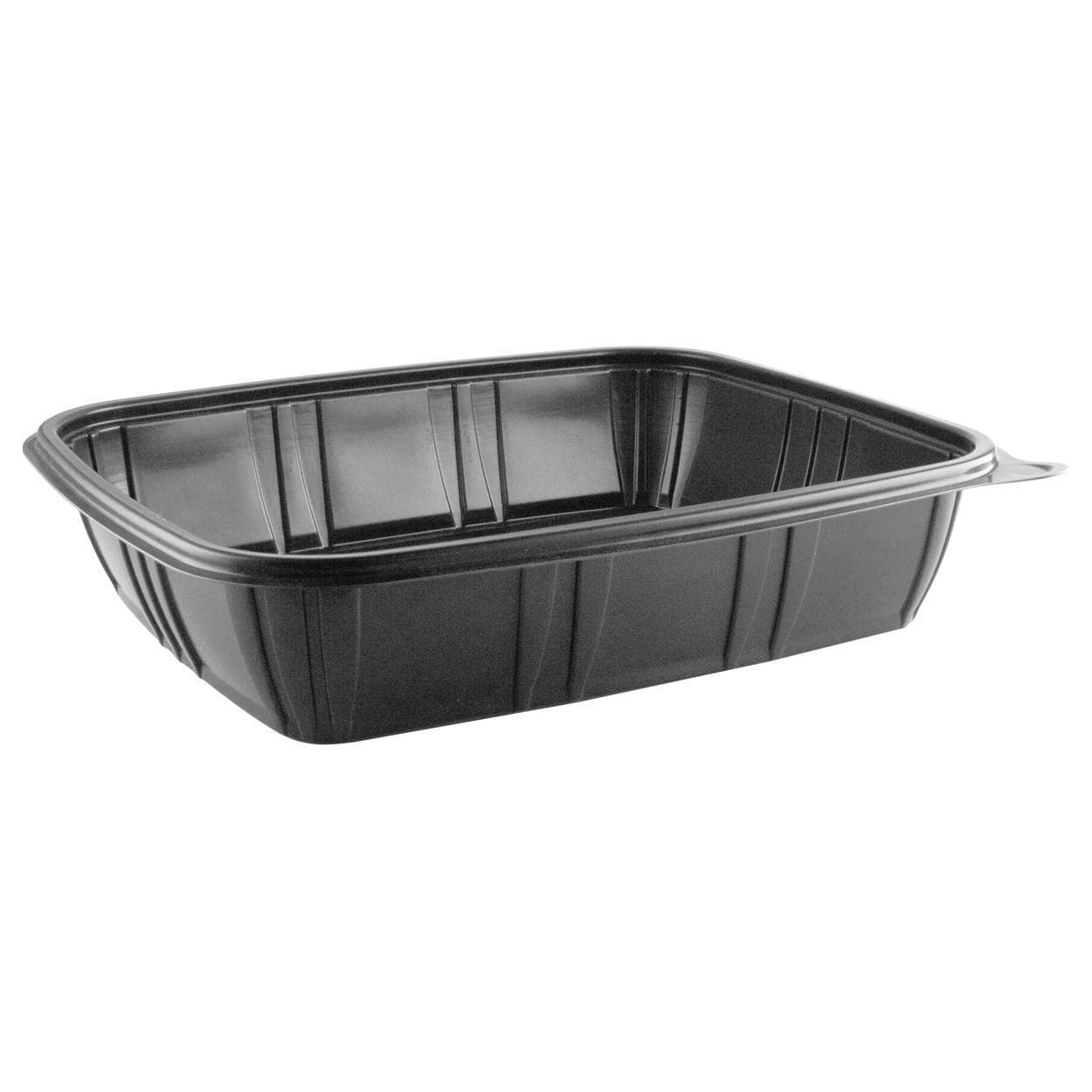
Plating occurs at the final stage of food preparation in both fine dining and casual restaurants. Chefs use phrases like "plate it" or "fire and plate" during service to signal the final assembly and presentation step. Catering operations often pre-plate dishes in controlled kitchen environments for consistency. In cooking competitions and culinary schools, plating technique is evaluated as rigorously as cooking skill. Modern ghost kitchens and delivery-focused concepts have adapted plating principles for to-go containers, recognizing that presentation matters even when the plate is a catering container.