Ramekin
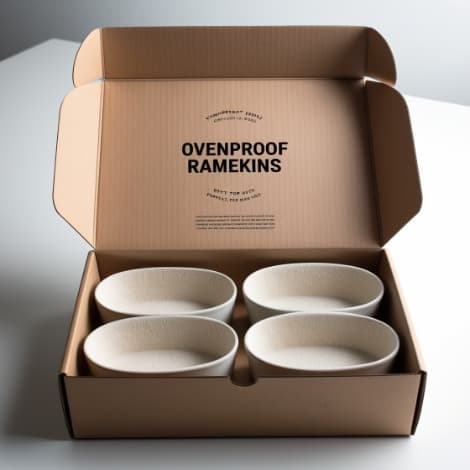
A ramekin is a small, heat-resistant dish with straight sides used for baking and serving individual portions, traditionally made from ceramic, porcelain, or glass and ranging from 1.5 to 8.5 fluid ounces in capacity.
A ramekin is a small, straight-sided dish used for baking and serving individual portions in professional kitchens. Traditional ramekins are made from ceramic, porcelain, or glass with fluted exteriors and can withstand oven temperatures, broiler heat, and even direct blowtorch flames for finishing dishes like crème brûlée.
Standard Sizes and Uses
Ramekins range from 1.5 to 8.5 fluid ounces, with 6-ounce ramekins being the most versatile all-purpose size in commercial kitchens. Smaller 1-2 ounce ramekins work for condiment service, while 3-5 ounce sizes handle mini desserts and individual appetizers. Larger 7-8 ounce ramekins accommodate pot pies and substantial portions, and 9-12 ounce sizes suit layered dishes that need extra depth.
The typical ramekin measures 3-4 inches in diameter with deep vertical sides. This shape is crucial for dishes that rise during cooking—soufflés need the vertical space to climb, while molten chocolate cakes depend on the straight walls for even heat distribution. The perpendicular sides also create clean, professional plating when dishes are unmolded.
Material Choices
Ceramic ramekins provide superior heat insulation compared to glass, cooking contents more slowly and gently. This makes ceramic ideal for egg-based dishes like custards and crème brûlée that require gentle, even heat to avoid curdling. Glass conducts heat more aggressively, which can overcook delicate recipes but works well for items that need faster cooking. Modern kitchens also use silicone ramekins for easy release and metal versions for specialty applications, though these lack the traditional oven-to-table versatility.
Heat-resistant materials allow ramekins to move directly from refrigerator to oven to table without thermal shock. This durability is essential in high-volume service where ramekins might be prepped hours ahead, baked to order, and served immediately in the same vessel.
Beyond Baking
Ramekins serve double duty as mise en place containers during prep. Chefs use them to organize pre-measured ingredients—minced garlic, spices, chopped herbs—preventing cross-contamination and keeping workstations organized during service. Line cooks rely on this setup to work efficiently when orders stack up.
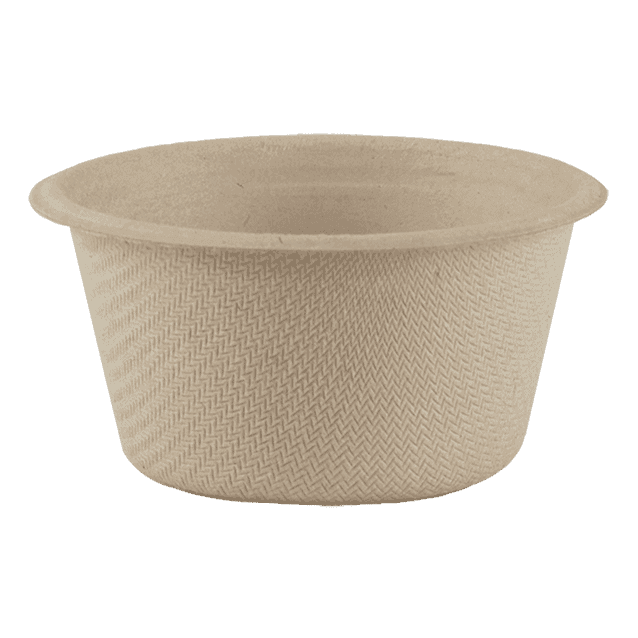
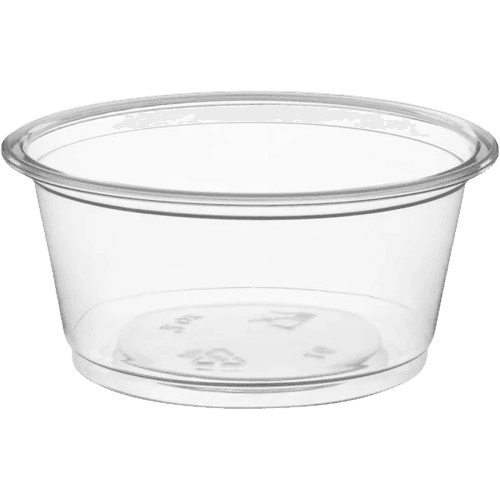
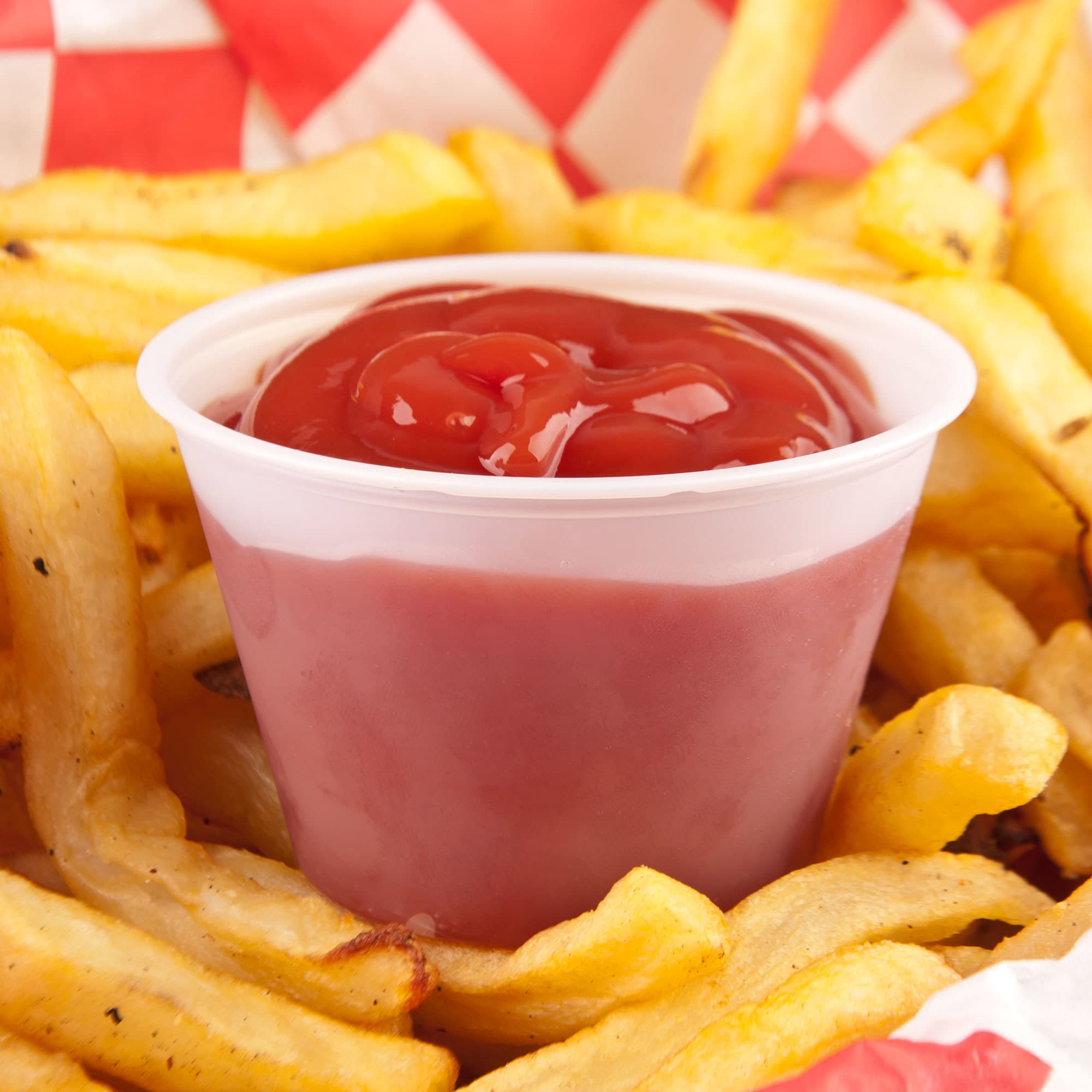
In modern restaurant terminology, “ramekin” has expanded to include disposable portion cups and souffle cups for cold service. These clear portion cups handle condiments, sauces, and sides but cannot withstand baking temperatures. “Monkey dishes”—flatter, wider dishes with shallow sides—fall into this category for cold items like fruit salad or jello but aren’t used for cooking.
Etymology and Evolution
The term derives from French “ramequin,” originally a cheese- or meat-based dish baked in a small mold. That word traces back to early modern Dutch “rammeken,” meaning toast or roasted minced meat. Over centuries, the name shifted from the food itself to the vessel used to prepare it.
Key Properties
Common Uses
Chefs use ramekins for individual baked dishes including crème brûlée, chocolate lava cakes, bread pudding, pot pies, baked mac and cheese, and individual cobblers. The straight sides allow soufflés and other aerated dishes to rise properly during baking.
During prep, line cooks organize mise en place in ramekins—pre-measured spices, minced aromatics, chopped herbs—to prevent cross-contamination and streamline cooking during service. This setup is standard in professional kitchens where speed and organization are critical.
For plated service, ramekins present condiments, sauces, butter, olives, and side portions directly at the table. Servers deliver items like drawn butter for seafood, salad dressings on the side, or sample portions in appropriately sized ramekins. The term has evolved in restaurants to include disposable souffle cups and portion cups for these cold service applications, though these cannot be used for baking.