Reduction
Reduction is the culinary technique of simmering or boiling a liquid uncovered to decrease its volume through evaporation, concentrating flavors and thickening consistency for sauces, stocks, and glazes.
Reduction is the process of simmering or boiling a liquid uncovered to decrease its volume through evaporation, which concentrates flavors and thickens the consistency. The technique transforms stock, wine, vinegar, or fruit juices into intensely flavored sauces and glazes by cooking at 180°F-200°F until the liquid reduces by one-third to one-half its original volume. Professional kitchens use reduction to create classic preparations like demi-glace, balsamic glazes, and pan sauces that coat the back of a spoon.
How Reduction Works
The science behind reduction involves controlled evaporation that removes water while leaving behind concentrated flavor compounds, sugars, and proteins. As liquid volume decreases by 30-50%, flavors intensify proportionally while sugars caramelize and proteins undergo Maillard reactions that develop complex umami notes. The Culinary Institute of America identifies these chemical transformations as essential to building depth in professional-level sauces.
Proper reduction requires an uncovered pan—covering traps steam and prevents evaporation. Wide, shallow pans with greater surface area accelerate the process by exposing more liquid to air, reducing cooking time compared to narrow, deep pots. A gentle simmer with small bubbles breaking the surface every 2-3 seconds provides the ideal evaporation rate without scorching.
Common Applications in Professional Kitchens
French cuisine popularized reduction as a preservation technique before refrigeration, particularly for glace de viande—a heavily reduced meat stock that could be stored and reconstituted. Modern professional kitchens use the technique for both classical and contemporary preparations. Red wine reductions form the base for bordelaise and marchand de vin sauces, while balsamic reductions create glazes for plating.
Pan sauces represent reduction’s most practical application during service. After searing meat, chefs deglaze the pan with wine or stock, then reduce the liquid to concentrate fond flavors and achieve proper consistency. The technique works equally well for fruit syrups used in desserts and cocktails, where reducing fruit juice with sugar creates intense, pourable glazes.
Achieving the Right Consistency
A properly finished reduction coats the back of a spoon and leaves a visible trail when you drag your finger through it. This visual test—called nappé—indicates sufficient evaporation and proper sauce consistency for plating. Most recipes specify reducing by volume: “reduce by half” means cooking until 50% of the original liquid remains.
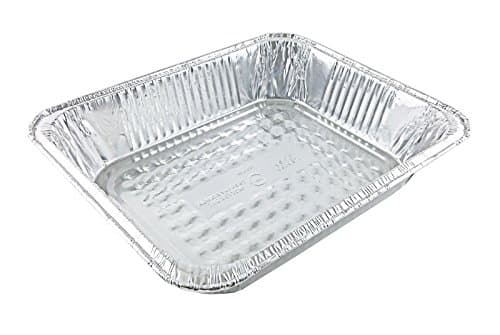
Timing varies from 15-30 minutes for quick pan sauces to several hours for classical demi-glace. Starting volume, desired concentration, and pan size all affect reduction time. Professional kitchens often prepare large batches of reduced stocks during prep periods, storing them in steam table pans for quick sauce assembly during service.
Professional Tips and Common Mistakes
Choose high-quality base liquids—reduction concentrates both good and bad flavors. Avoid reducing dairy-based liquids, which can curdle, and delicate herbal infusions, which lose volatile aromas under heat. Season finished reductions lightly, as salt and other seasonings also concentrate during cooking.
Temperature control prevents the most common reduction failure. High heat or rapid boiling burns sugars and creates bitter flavors instead of the sweet, complex notes from proper caramelization. If a reduction becomes too thick, thin it with additional liquid rather than trying to reverse over-concentration. École Ducasse identifies reduction as a foundational skill that separates amateur from professional cooking—the patience and attention required demonstrate kitchen discipline.
Common Uses
Professional kitchens use reduction throughout sauce preparation and service. Chefs reduce wine for bordelaise sauce, concentrate stock for demi-glace, and create balsamic glazes for plating. During service, reduction appears most frequently in pan sauces—after searing protein, cooks deglaze the pan with wine or stock and reduce it to concentrate flavors from the fond. Pastry chefs reduce fruit juices with sugar to create intense syrups for desserts and cocktails. The technique is fundamental in French cuisine, where École Ducasse identifies it as a basic skill for professional culinary training.