Resting
Resting is the culinary technique of allowing cooked meat to sit undisturbed after cooking and before slicing, giving internal juices time to reabsorb and redistribute throughout the meat fibers.
Resting is the culinary technique of allowing cooked meat to sit undisturbed after cooking and before slicing or serving. During cooking, heat causes muscle fibers to contract and pushes juices toward the center of the meat. Resting gives those juices time to reabsorb and redistribute throughout the meat fibers, preventing them from pooling onto the cutting board when you slice.
Why Resting Matters
Research from America’s Test Kitchen showed that meat rested for 10 minutes lost 60% less juice than meat cut immediately after cooking. When you cut into meat too soon, the pressurized juices have nowhere to go but out—leaving you with a dry piece of meat and a puddle on the plate. Those lost juices take flavor, moisture, and money with them.
Resting also allows for carryover cooking, where the internal temperature can rise 5-15°F as residual heat from the exterior transfers to the cooler center. This means you should pull meat from heat slightly below your target temperature and let resting finish the job. The technique also equalizes temperature so the outside isn’t significantly hotter than the inside.
How Long to Rest Different Cuts
Thin cuts like chicken breasts, pork chops, and burgers need about 5-7 minutes of resting time. Steaks should rest 8-12 minutes. Large roasts need 20-30 minutes. The general rule: rest thin cuts for half the time they took to cook, and rest thick cuts for the full cooking time.
Professional barbecue restaurants take this even further, often holding briskets and pork butts for 2-4 hours or longer in warming boxes at 170-180°F. This extended rest allows connective tissue to continue breaking down while keeping the meat at safe serving temperature.
Proper Resting Technique
Transfer cooked meat to a cutting board or warm platter—never leave it in the hot pan where it will continue cooking too aggressively. Loosely tent the meat with aluminum foil to trap heat and prevent temperature from dropping too quickly, while still allowing some air circulation. Wrapping too tightly creates steam that can soften a crispy exterior.
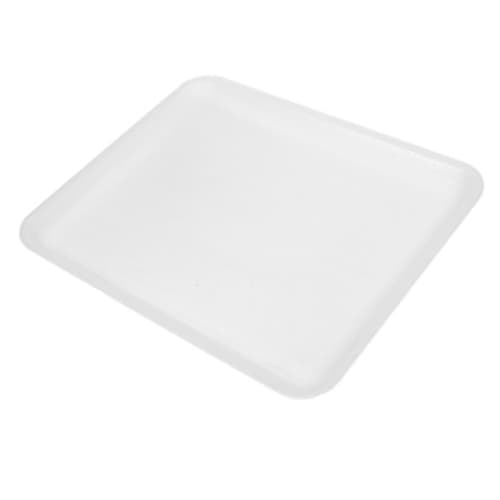
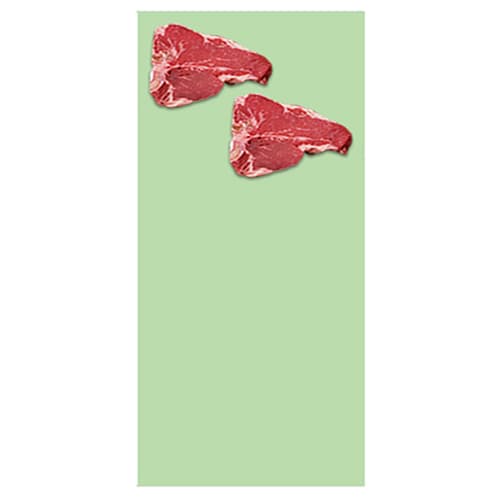
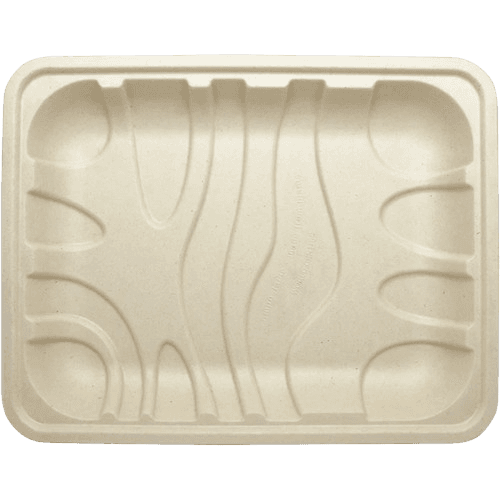
For professional operations handling multiple cuts, meat trays in various sizes work well for organizing resting proteins. Smaller cuts work on standard 8-inch trays, while larger roasts need 11-inch trays. Some kitchens use steak paper sheets under resting meats to absorb excess juices while maintaining food safety standards.
What Meat Needs Resting
Resting applies to beef, pork, lamb, chicken, game meats, and some fish prepared using high-heat methods like roasting, broiling, grilling, and sautéing. Any protein cooked with enough heat to cause significant muscle fiber contraction benefits from resting. Delicate fish and low-temperature preparations typically don’t need it since the gentle cooking doesn’t force juices out in the same way.
In high-volume kitchens, build resting time into your workflow. If steaks need 10 minutes and roasts need 30, plan accordingly so dishes hit the pass at the right moment without rushing or holding too long.
Common Uses
Used in professional kitchens after cooking any high-heat protein—steaks, roasts, chops, whole birds, barbecue. Line cooks rest steaks on cutting boards between grill and expo. Barbecue restaurants hold finished briskets in warming boxes. Chefs instruct servers to wait before slicing prime rib at tableside. The technique is standard practice across all cooking methods that apply significant heat: roasting, grilling, broiling, sautéing. Kitchen managers build resting time into ticket times to ensure dishes leave the pass at peak quality.