Ring In
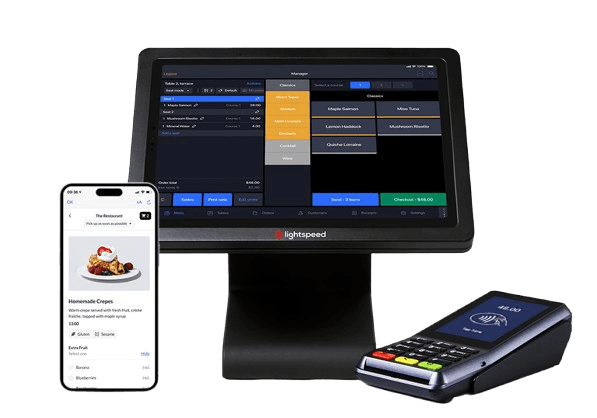
Ring in refers to entering an order into the restaurant's POS (point of sale) system to create an official record for kitchen preparation, inventory tracking, and guest billing.
Ring in means to enter an order into the restaurant’s POS (point of sale) system so it can be tracked for inventory, sent to the kitchen for preparation, and properly billed to the guest. When a server rings in an order, they’re creating an official record of what the customer ordered, which generates a kitchen ticket (or chit) and adds the items to the bill.
Servers and front-of-house staff use this term constantly during service: “I’ll go ahead and ring in table 20’s order” or “You forgot to ring in their apps.” The timing of when to ring in orders varies by restaurant workflow. Some servers ring in immediately after taking the order, while others complete their full table round first to batch multiple orders. High-volume restaurants often require servers to ring in courses separately—apps first, then entrées—to manage kitchen timing.
Why POS Entry Matters
Ringing in orders isn’t just about communicating with the kitchen. It creates the paper trail for inventory management, revenue tracking, and guest billing. Every item rung in depletes inventory counts and adds to the day’s sales data. When servers skip this step or delay it, the restaurant loses accurate tracking of what’s being sold and when.
The practice also protects both staff and management. If a server forgets to ring in an item but the kitchen makes it, the restaurant can’t bill the guest for it—that’s revenue lost. If a server rings in an order incorrectly, the kitchen ticket shows exactly what was entered, making it easier to identify where communication broke down.
Common Mistakes and POS Terminology
A double ring happens when a server accidentally enters the same item twice in the POS system. This creates duplicate kitchen tickets and can result in overcharges that need to be voided. Busy shifts make double rings more common, especially when servers are rushing or the system lags between button presses.
Related terms include “bump” (marking an order as complete on the kitchen display) and “chit” (the printed ticket that comes out when you ring in an order). Experienced servers develop habits around ringing in orders—always double-checking the screen before finalizing, ringing in modifications clearly, and communicating timing requests to the kitchen through POS notes rather than verbal shouts.
Technology and Workflow
Modern POS systems have changed how restaurants handle order entry. Tableside tablets let servers ring in orders immediately at the table, reducing trips to a central terminal. Kitchen display systems (KDS) replace printed tickets in many operations, showing orders on screens as soon as they’re rung in. These systems track ticket time automatically, measuring how long each order takes from entry to completion.
The shift to digital ordering during COVID added new layers. When guests order through QR codes or online platforms, orders ring in automatically—no server involvement needed. This eliminates the human error of forgetting to ring something in, but it also means servers have less control over pacing and timing for their tables.
Common Uses
Servers and front-of-house staff use "ring in" throughout service when communicating about order entry: "I'll ring in table 12's apps now" or "Did you ring that in yet?" The term appears in training conversations when managers coach servers on proper order entry timing, in shift briefings when discussing workflow during busy periods, and in post-shift reviews when tracking down billing discrepancies or inventory issues. Kitchen staff may also use it when asking servers about order status: "When did you ring that ribeye in?"