Server Station
A server station is a dedicated workstation in a restaurant where servers store and access essential supplies like napkins, silverware, glassware, and condiments, reducing kitchen trips and improving service efficiency.
A server station is a dedicated workstation in a restaurant where servers store and access supplies needed for table service without returning to the kitchen. These stations hold napkins, silverware, glassware, condiments, menus, and often POS systems or tablets, allowing servers to handle more tables efficiently during busy shifts.
Purpose and Function
Server stations reduce the number of trips servers make to the kitchen by keeping essential items within arm’s reach in the dining room. When a guest needs extra napkins or a clean fork, servers can grab them from the nearest station in seconds rather than walking through the entire restaurant. This efficiency matters most during peak service when every saved step translates to faster table turns and better guest experiences.
Industry design standards recommend one service station for every 22 seats in the dining room. A 100-seat restaurant would typically need 4-5 stations positioned strategically throughout the space to minimize server travel time between tables and supply access points.
Common Features and Design
Server stations range from compact 24-inch hostess stands to expansive 60-70 inch mobile units on casters. Smaller stations work well in tight dining rooms where space is limited, while larger restaurants often use multiple mid-sized stations positioned throughout different service zones. Mobile stations on casters offer flexibility to reposition equipment for banquets, private events, or adjusted traffic patterns during slower periods.
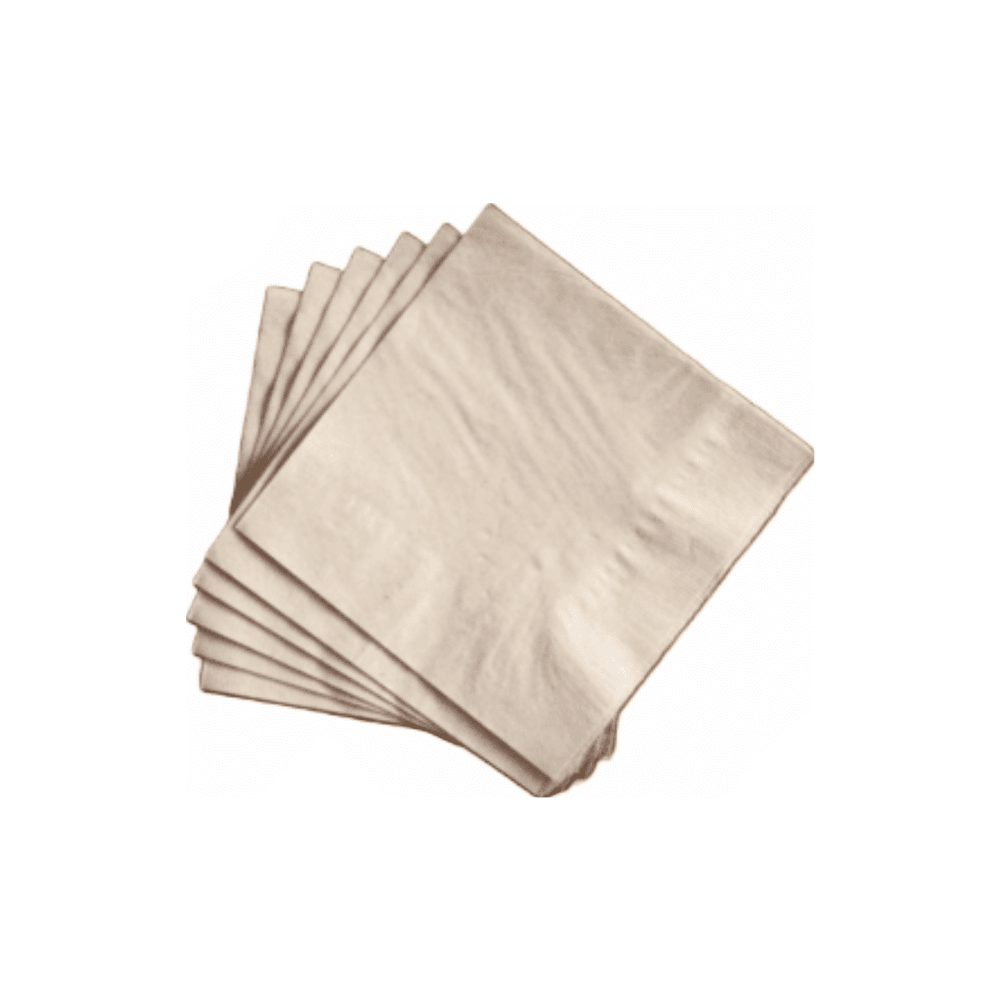
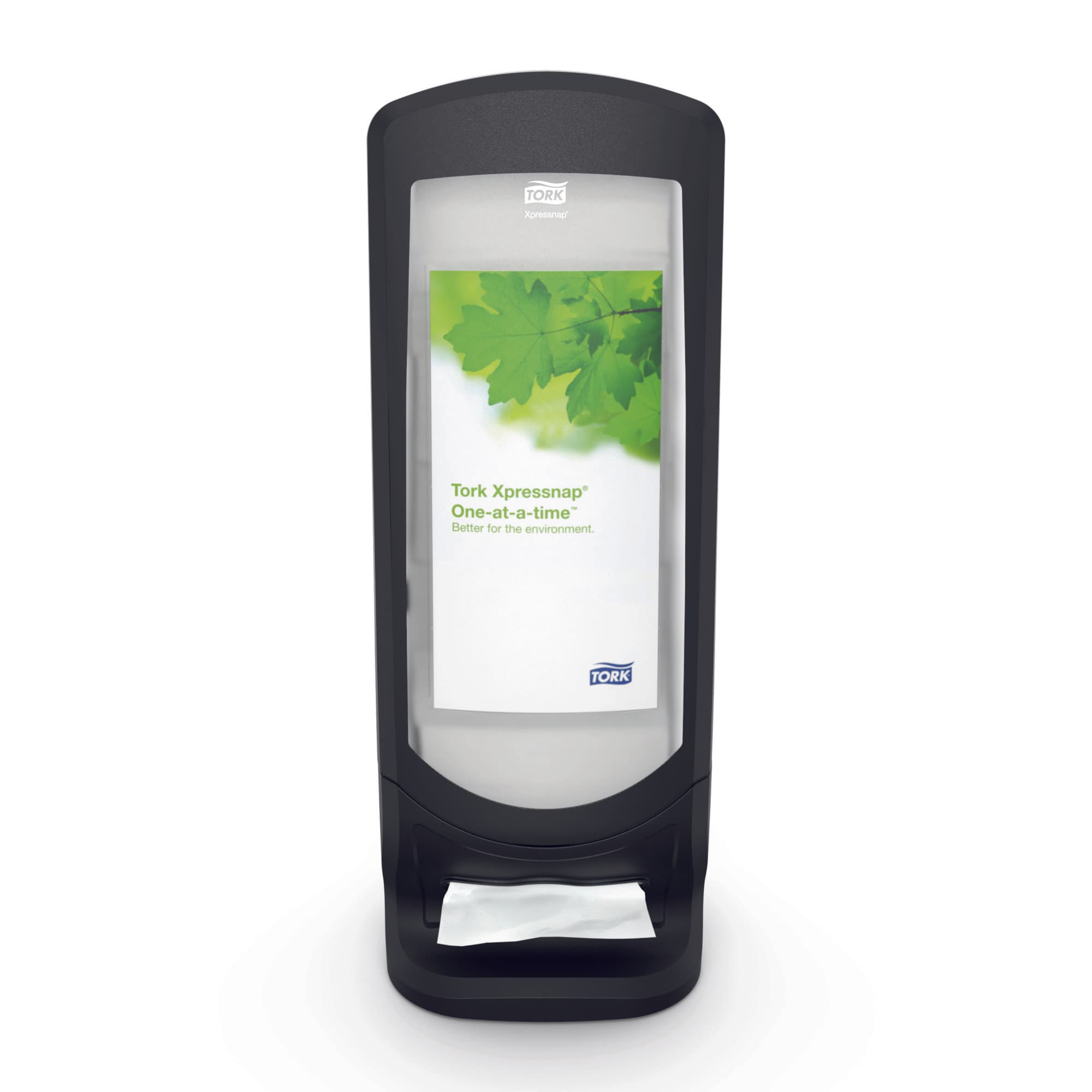
Modern stations include segmented compartments for organizing cutlery, straws, stirrers, pens, and condiments. Many integrate napkin dispensers directly into the design, keeping supplies organized and preventing the cluttered appearance of loose stacks. Some stations include built-in waste receptacles and recycling bins to support waste separation without adding extra floor equipment.
Materials vary based on restaurant style and budget. Melamine with wood-grain finishes offers an affordable option that mimics natural wood. Stainless steel provides maximum durability in high-volume operations where stations endure constant use and cleaning. Wood veneer in oak, cherry, walnut, or maple finishes suits upscale establishments where aesthetics matter as much as function.
Strategic Placement
Effective server station placement balances accessibility with guest experience. Stations should sit centrally within their designated service zones, easily reachable from both the kitchen and assigned tables. Poor placement forces servers to walk extra steps on every trip, which adds up to significant time waste over a full shift.
Some restaurants position stations behind partial walls (4.5-5 feet high) to keep work activities out of guest sightlines. Others integrate stations aesthetically into the dining room design, treating them as functional furniture pieces rather than hidden back-of-house equipment. The best approach depends on restaurant style—fine dining typically conceals stations while casual concepts may display them openly.
Stocking and Organization
Beyond basic items like straws and stirrers, well-stocked stations include backup supplies for common guest requests: water glasses, coffee cups, extra silverware sets, and children’s items. Smart organization means placing frequently used items at eye level or within easy reach, while backup stock sits on lower shelves. Dispensers keep supplies neat and accessible without creating visual clutter.
Servers often store personal items at their stations—pens, notepads, wine keys, and order books. Some restaurants assign specific stations to individual servers or sections, while others maintain shared stations that all staff access throughout service. The shared model requires more discipline to maintain organization but offers flexibility when staffing levels change mid-shift.
Multi-Purpose Use
Server stations frequently double as host stands during slower periods or serve as bussing stations where staff consolidate dirty dishes before taking them to the dish pit. Mobile stations particularly excel at this flexibility—roll them near the entrance for morning host duties, then reposition them in the dining room for lunch service. This multi-purpose approach maximizes equipment investment and reduces the total furniture footprint in smaller restaurants.
Restaurants with banquet or catering operations benefit from portable stations that travel to different service areas. Stock the station with catering supplies like serving trays and beverage dispensers, wheel it to the event space, and servers have everything needed without constant trips back to the main dining room or kitchen.
Common Uses
Server stations are used throughout dining service as central supply hubs where servers quickly grab items needed for table service. During busy shifts, servers visit their assigned station dozens of times to refill water glasses, retrieve extra silverware, or access condiments for guest requests. Host staff may use server stations at the beginning of service to organize menus and track table assignments. Bussers also utilize stations when clearing tables, depositing dirty napkins and consolidating items before taking full loads to the dish pit.
In fine dining establishments, servers use stations discreetly positioned out of guest view to prepare items before tableside service—folding napkins, organizing wine service tools, or staging dessert plates. Casual restaurants with visible stations see servers accessing supplies more openly as part of the service flow. During private events or banquets, mobile server stations relocate to different areas of the venue, providing flexible service support wherever needed without permanent infrastructure.