Sous Vide
Sous vide is a cooking technique where food is vacuum-sealed in plastic pouches and cooked in a precisely temperature-controlled water bath at low temperatures for extended periods, producing consistent results and allowing advance preparation.
Sous vide is a cooking technique where food is vacuum-sealed in plastic pouches and cooked in a precisely temperature-controlled water bath. The term is French for “under vacuum” (pronounced “sue-veed”). Originally invented by French chef Georges Pralus in 1974 to reduce shrinkage in foie gras, sous vide has become standard practice across restaurant segments from fine dining to fast-casual chains.
How Sous Vide Works
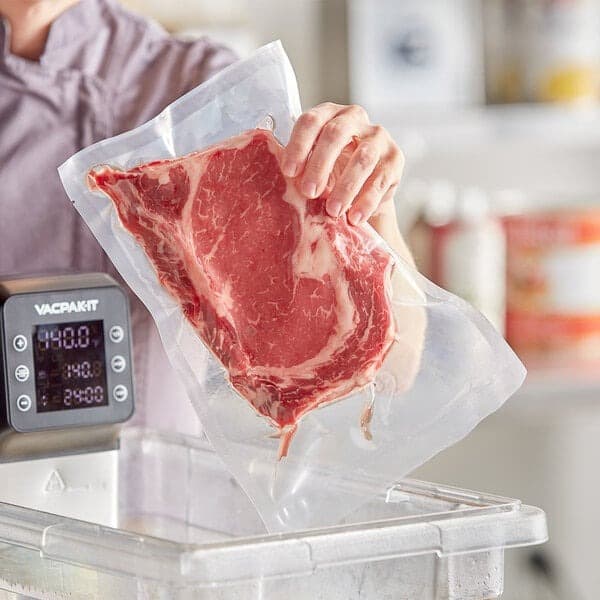
An immersion circulator heats water to a specific temperature and continuously circulates it to maintain precise control. Food cooks at low temperatures—typically 130-140°F for red meat, 150-160°F for poultry—for extended periods ranging from one hour to 48 hours or more. The vacuum-sealed environment prevents moisture loss and ensures even heat distribution throughout the protein.
Unlike traditional cooking methods where the exterior overcooks before the interior reaches temperature, sous vide cooks food uniformly from edge to center. A steak cooked sous vide to 135°F will be medium-rare throughout, with no gray band of overcooked meat beneath the surface.
Restaurant Applications
Professional kitchens use sous vide for advance prep and consistency during service. Proteins are cooked sous vide hours or even days ahead, then rapidly chilled and stored. During service, cooks quickly reheat the pre-cooked protein in the water bath and finish with a high-heat sear on the flattop or grill. This workflow allows restaurants to serve perfectly cooked proteins in minutes rather than the 15-30 minutes traditional cooking requires.
The technique works particularly well for expensive proteins where consistency matters. It also transforms tougher, less expensive cuts into tender results through extended cooking times. A chuck roast cooked sous vide for 24 hours at 135°F becomes fork-tender while maintaining medium-rare doneness—impossible with conventional methods.
Essential Equipment
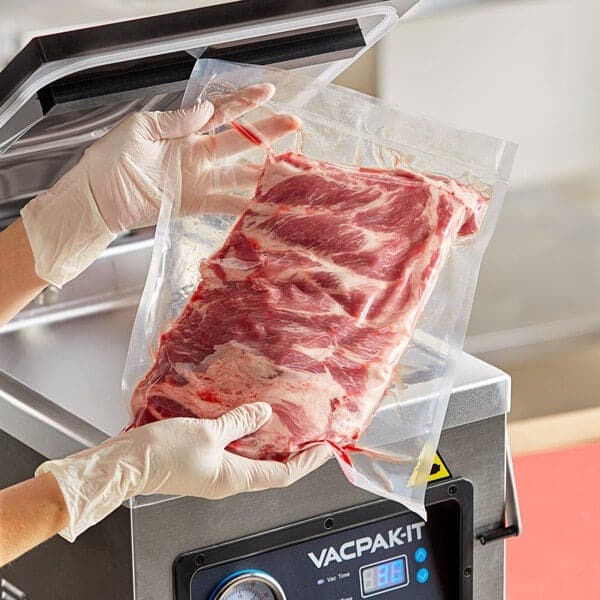
Commercial sous vide setups require three components: an immersion circulator (the heating and circulation device), a vacuum sealer, and food-grade vacuum pouches. Circulators range from countertop models for small operations to powerful units that handle 20+ gallon containers for high-volume kitchens.
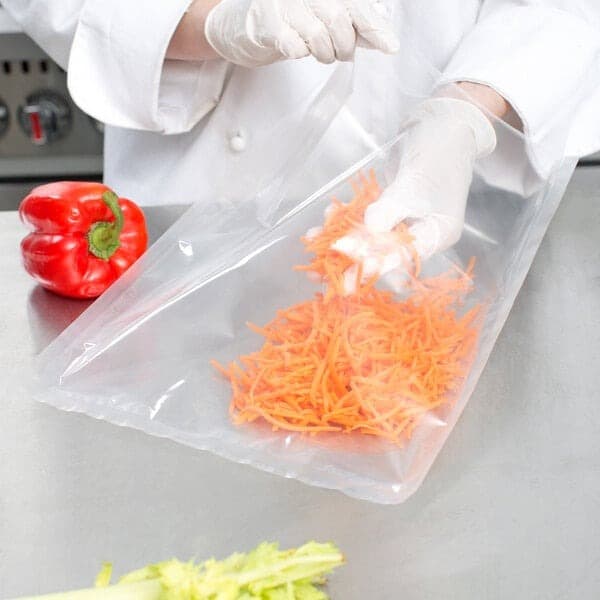
Vacuum sealers remove air from pouches before cooking, ensuring full water contact and preventing bags from floating. Commercial chamber vacuum sealers handle high volumes and work with liquids, while external (suction) sealers are more affordable but limited to solid foods. Pouches must be food-grade, BPA-free plastic rated for cooking temperatures.
The Finishing Step
Sous vide cooking produces perfectly cooked interiors but lacks surface browning. Proteins emerge from the water bath fully cooked but pale and wet-looking. The essential finishing step—searing in a blazing-hot cast iron pan, torching with a blowtorch, or hitting the grill—develops the Maillard browning that creates color, crust, and caramelized flavor. This quick high-heat finish takes 60-90 seconds per side and completes the dish.
Food Safety Considerations
Extended cooking times at controlled temperatures effectively pasteurize food, making sous vide a safe cooking method when done correctly. Proper vacuum sealing is critical—any air pockets can harbor bacteria. Food held between 130-140°F must reach temperature quickly and should not remain in the “danger zone” (40-140°F) for extended periods unless following validated time-temperature tables. Post-cooking, proteins should be served immediately or rapidly chilled in an ice bath for storage.
Common Uses
Restaurants use sous vide primarily for advance protein prep. Steaks, chicken breasts, pork chops, and fish portions are cooked sous vide during prep shifts, then chilled and stored. During dinner service, line cooks reheat the protein in the water bath (takes 5-10 minutes) and quickly sear to order. This workflow allows small kitchen teams to handle high volumes while ensuring consistent doneness regardless of cook skill level. Fine dining operations use sous vide for precise control on expensive proteins, while fast-casual chains like Panera use it to standardize chicken and steak preparations across locations. The technique also works for batch cooking tougher cuts—short ribs, brisket, pork shoulder—transforming them into tender menu items through 24-48 hour cooks.