Ticket Machine
A ticket machine is a kitchen printer that prints order tickets (Kitchen Order Tickets or KOTs) transmitted from the POS system to the kitchen, displaying customer orders for kitchen staff to prepare.
A ticket machine is a kitchen printer that prints order tickets (Kitchen Order Tickets or KOTs) transmitted from the POS system to the kitchen. Also called a KOT printer or kitchen printer, it outputs paper tickets that tell kitchen staff what to prepare, including table numbers, items ordered, quantities, modifications, server names, time stamps, and special requests. The term historically referred to the mechanical order wheel where printed tickets were clipped, but now encompasses the printer itself.
How Ticket Machines Work in Restaurant Service
When a server enters an order into the POS system, the ticket machine immediately prints the order details on a paper ticket. Kitchen staff read these tickets to know what dishes to prepare and in what sequence. An expeditor often stands at the ticket machine during busy service, “calling the wheel” or “calling tickets” — reading orders aloud to coordinate multiple kitchen stations and ensure timing synchronizes across the line.
Modern ticket machines feature two-color printing (typically black and red) to highlight modifiers, special requests, or urgent instructions. This visual hierarchy helps cooks quickly identify allergies, substitutions, or rush orders without reading the entire ticket. The printed ticket stays in the kitchen until the order is complete, serving as a physical tracking system for ticket time and order accuracy.
Types of Kitchen Ticket Printers
Impact printers use ribbons and striking mechanisms similar to typewriters. They’re more durable in hot, humid, grease-heavy kitchen environments and can print through kitchen grime that would clog other printer types. However, they’re slower and louder than thermal alternatives, which matters during high-volume service.
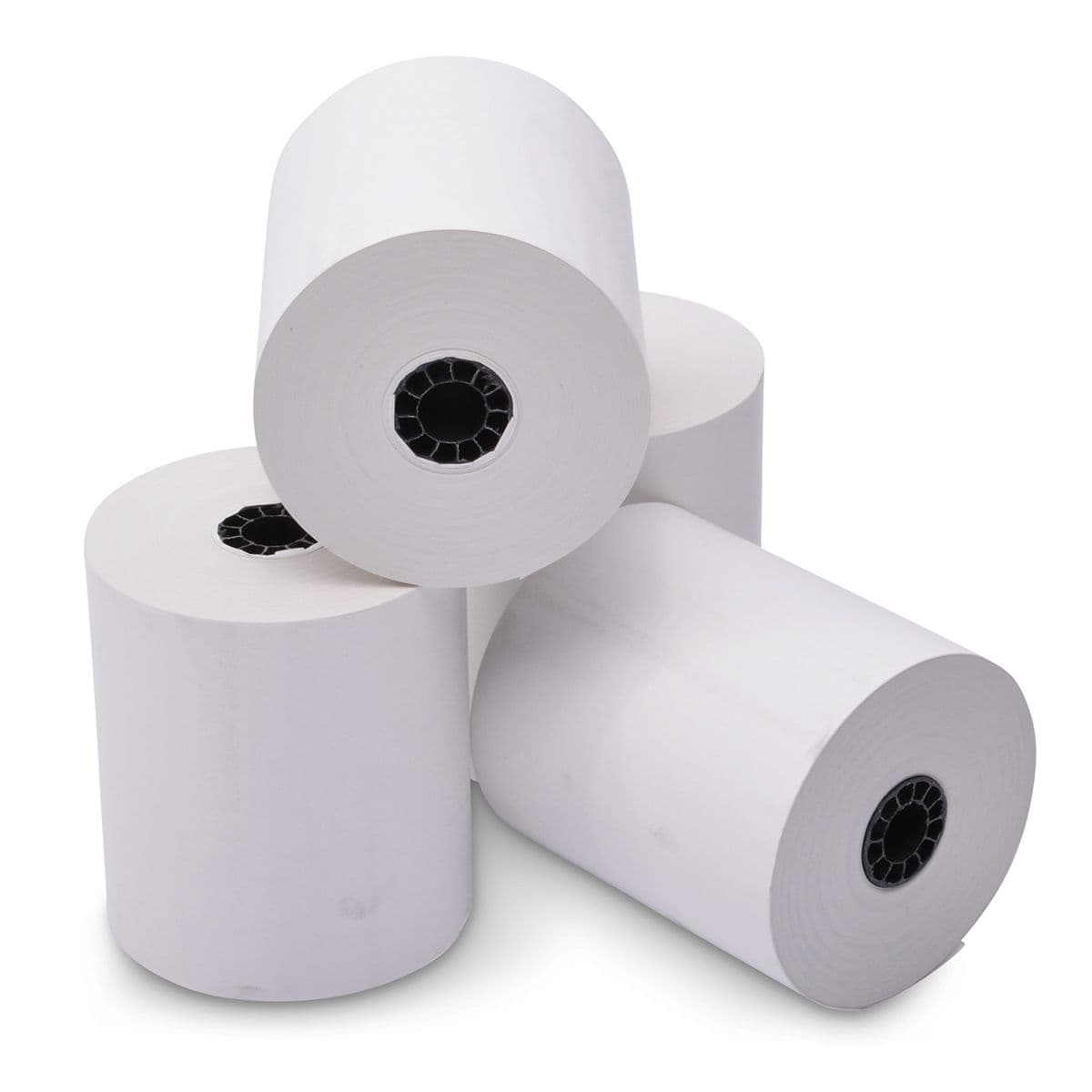
Thermal printers are faster and quieter, using heat-sensitive paper that requires no ink or ribbons. Most use 3-inch thermal paper rolls as a standard consumable. The downside: thermal paper fades in high heat environments and can become illegible if exposed to cooking temperatures, making them less reliable near flat-tops or fryers.
The “Infernal Machine” Phenomenon
Kitchen staff sometimes call the ticket printer “the infernal machine” because during busy service it continuously outputs orders regardless of how backed up the kitchen is. The relentless chatter of the printer creates psychological pressure on the line — each new ticket represents another customer waiting, another timer starting. This nickname reflects the love-hate relationship cooks have with the machine that drives their entire shift.
The sound of the ticket machine becomes the heartbeat of kitchen operations. A silent printer means no business. A constantly chattering printer means money being made but also means being “in the weeds.” Experienced kitchen staff can gauge how busy the dining room is just by listening to the frequency of the ticket machine’s output.
Kitchen Display Systems vs. Traditional Ticket Machines
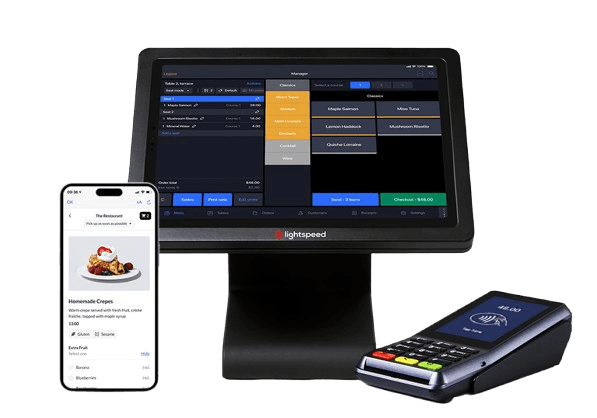
Kitchen Display Systems (KDS) are increasingly replacing physical ticket machines with digital screens. KDS eliminates paper waste, automatically tracks ticket times, and can route orders to specific stations more efficiently. However, many operations still prefer printed tickets for their simplicity, visibility across the line, and the tactile satisfaction of physically moving or discarding completed orders.
Some restaurants use hybrid systems: KDS for the main cooking line and ticket machines for bar stations or expo positions. The physical ticket provides a backup if the digital system fails and works in any lighting condition without requiring screen cleaning between orders. For kitchen operations with multiple stations spread across large prep areas, printed tickets remain easier to distribute than gathering cooks around screens.
Common Uses
Ticket machines are used throughout service in restaurant kitchens. When servers enter orders into the POS system, the ticket machine immediately prints details to the kitchen. During busy periods, an expeditor stands at the ticket machine "calling tickets" — reading orders aloud to coordinate timing across multiple stations. Kitchen staff refer to orders by their ticket, saying things like "fire the ribeye on ticket 47" or "I need five more minutes on that ticket." The physical ticket stays in view until the order is complete, often clipped to a rail or placed on a shelf above the station preparing that item.