Welcome Letter
A welcome letter is a short, personalized message written by a hotel to a guest — delivered digitally before arrival or as a printed letter placed in the guestroom — that expresses gratitude for their stay and provides key property information including Wi-Fi, amenities, dining, and contact details.
A hotel welcome letter is a short, personalized message from the property to a guest, delivered at or before arrival, that greets them by name, provides essential stay information, and sets the tone for the entire visit. It is the guest’s first written touchpoint with the hotel brand and one of the most direct tools a front office team has for shaping first impressions.
What a Welcome Letter Includes
A well-structured welcome letter covers the basics a guest needs immediately: Wi-Fi credentials, check-in and checkout times, front desk contact information, and a brief overview of on-site amenities and dining options. Most properties also include local attraction recommendations and emergency contact details.
Personalization signals elevate a welcome letter from transactional to memorable. Addressing the guest by name, referencing their reason for visiting (anniversary, business trip, honeymoon), and acknowledging loyalty status or booking history are all considered best practice in full-service and luxury properties. These details are typically pulled automatically from the hotel’s PMS or CRM system.
Delivery Format and Timing
The hybrid approach — a digital message sent 2–3 days before arrival combined with a printed letter placed in the room before the guest walks in — is considered best practice for upscale and luxury hotels. Digital delivery via email, SMS, WhatsApp, or a hotel app works well for limited-service and sustainability-focused properties.
Luxury and full-service hotels typically print welcome letters on high-quality branded stationery, sometimes handwritten or signed by the General Manager or department head. Budget and eco-conscious properties default to digital formats to reduce paper waste. When a printed format is used, FSC-certified or recycled-content paper stock aligns with green hotel goals.
Who Owns the Welcome Letter
The Front of House team — specifically the Front Office Manager, Director of Rooms, or General Manager — is typically responsible for the welcome letter. Larger properties may assign ownership to a dedicated guest experience or marketing team.
Many hotels automate welcome letter delivery through PMS or CRM integrations, triggering a personalized message at the moment of check-in or booking confirmation. This allows consistent, on-brand communication even during high-volume arrivals without relying on individual staff members to draft each letter manually. Pre-shift briefings often include instructions on which arriving guests require elevated or customized letters — such as VIP guests, repeat visitors, or special occasion bookings.
Welcome Letters as an Upsell Tool
A welcome letter is also a low-pressure upsell channel. Hotels use them to promote spa appointments, dining reservations, room upgrades, and curated local experiences — all in a context where the guest is already engaged and open to the property’s offerings.
Proactively addressing common questions (checkout time, parking, pool hours) in the welcome letter reduces routine front desk call volume, allowing staff to focus on higher-value guest interactions. This operational efficiency benefit is often understated but meaningful, especially during peak seasons.
Impact on Guest Satisfaction and Reviews
A personalized, well-timed welcome letter has a measurable connection to guest satisfaction outcomes. Hotels that execute this touchpoint effectively tend to see stronger online review scores, higher repeat visit intent, and better word-of-mouth referrals. AAA Diamond and Forbes Travel Guide evaluations consider personalized arrival communication as part of their overall scoring criteria.
Welcome letters can also include QR codes linking to virtual guidebooks, hotel social media handles, or special in-stay promotions — extending the letter’s utility well beyond the first few minutes of arrival.
In-Room Staging That Complements the Welcome Letter
In luxury and full-service hotels, the welcome letter is rarely staged alone. It typically anchors an in-room arrival setup that may include a welcome amenity tray, beverage service, or turn-down presentation. Individually wrapped cups like the Solo UltraClear 10 oz. Hotel Cups are a standard in-room amenity staged alongside the letter to signal cleanliness and hospitality from the moment of arrival.
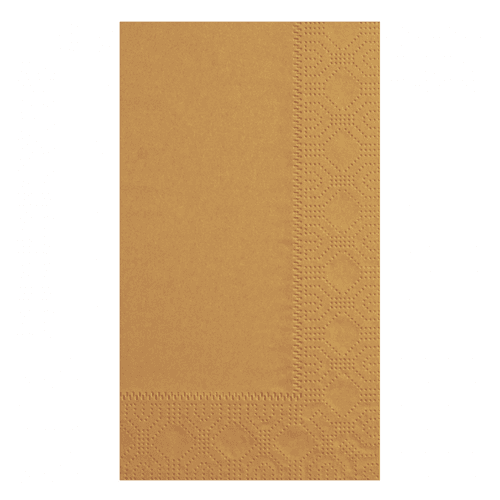
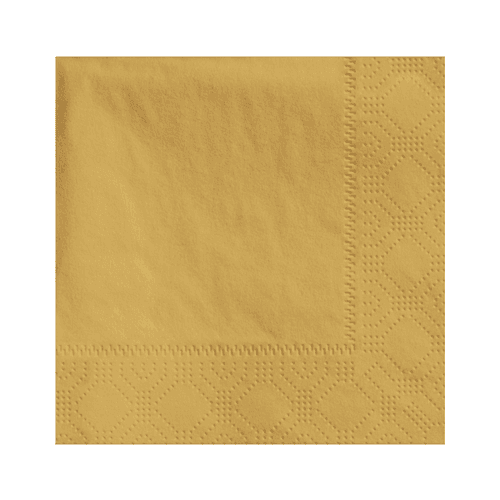
For VIP arrivals or special occasion packages, premium napkins — such as the Hoffmaster Regal Embossed Glittering Gold Napkins — and guest towels are frequently included in the room presentation to reinforce the elevated arrival experience the welcome letter promises.
Common Uses
Department & Usage: The welcome letter originates from the Front Office or Guest Experience team and is used at every property type — from limited-service hotels to luxury resorts. Front Office Managers or General Managers typically own the content, while PMS and CRM systems handle automated delivery triggered by reservation check-in. In full-service hotels, welcome letters are staged in-room by housekeeping as part of the arrival room setup. For VIP guests, the letter is often customized with a handwritten note from management and paired with a welcome amenity. In the pre-arrival phase, a digital version is sent via email or SMS 2–3 days before check-in to set guest expectations and reduce day-of front desk inquiries.
Sustainability
Limited-service and sustainability-focused hotels are encouraged to replace printed welcome letters with digital alternatives — email, SMS, or hotel app messages — to reduce paper consumption. Hotels pursuing LEED certification or a green hotel designation often cite digital guest communication as part of their environmental policy, and some properties highlight this commitment within the welcome letter itself. When a printed format is required (luxury and full-service properties), using recycled-content or FSC-certified paper stock for letterhead and stationery aligns with green procurement goals. Digital welcome letters also offer a practical data advantage: open rates and click-throughs can be tracked, giving hotels insight into what information guests actually engage with and reducing waste from untargeted print runs.
Related Products