Wheel
The wheel is the equipment and system used to track and organize customer order tickets as they come into a professional kitchen, typically managed by an expeditor who coordinates timing across all kitchen stations during service.
The wheel is the equipment and system used to track and organize customer order tickets as they come into a professional kitchen. Also called ‘the rail’ or ‘the board,’ the wheel serves as the command center during service, displaying all active orders in sequence and ensuring they’re completed in the correct order. The person who manages the wheel—known as the wheelman, expo, or expeditor—coordinates timing across all kitchen stations to get every dish out hot, correct, and on time.
How the Wheel Works
Historically, the wheel was a physical circular device where order tickets (chits) were clipped and rotated clockwise from the server side to the kitchen side. Orders were arranged in sequence following a first-in, first-out system, and tickets were turned back to servers as dishes were completed. Sociologist William Foote Whyte recommended this equipment in the 1940s specifically to improve communication and reduce conflict between wait staff and kitchen staff—a problem that persists in many restaurants today.
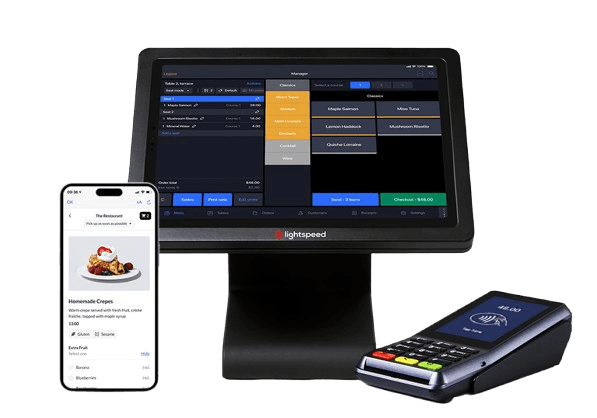
Most modern kitchens have replaced mechanical wheels with Kitchen Display Systems (KDS), but the terminology and the sequential process remain identical. Digital or physical, the wheel maintains the same fundamental purpose: organizing orders, maintaining timing, and coordinating multiple stations simultaneously.
Working the Wheel
‘Calling the wheel’ or ‘working the wheel’ refers to the expeditor position—arguably one of the most demanding roles in the kitchen. The wheelman is typically the head chef, sous chef, or lead line cook, positioned at the pass between the kitchen and front-of-house. This person calls every ticket as it arrives, reads orders aloud to relevant stations, groups items that appear on multiple tickets, and requires call-backs from line cooks to confirm they heard correctly.
The wheelman’s most critical responsibility is maintaining ticket time—the duration from when an order enters the kitchen to when it leaves the pass. Industry standard is approximately 15 minutes for entrées. The expo manages this by firing courses at staggered intervals so appetizers, mains, and desserts arrive at the table with proper spacing, and by coordinating stations so all dishes for a single table finish simultaneously.
Regional Variations
The term varies by region and kitchen culture. West Coast kitchens often say ‘rail,’ East Coast operations frequently use ‘board,’ and Southern kitchens may stick with ‘wheel.’ Some high-volume restaurants distinguish between ‘hot rail’ (active orders being cooked) and ‘cold rail’ (completed orders awaiting pickup). The role itself may be called expo, expeditor, or simply ‘running the pass.’
Equipment Considerations
For restaurants still using physical ticket systems, thermal paper rolls are standard for printing chits from POS systems. These tickets must be durable enough to withstand kitchen heat and humidity while remaining legible throughout service. Digital KDS setups require kitchen-grade touchscreen displays positioned for visibility across multiple stations. Whether analog or digital, the system must display orders clearly, update in real-time, and allow the wheelman to see all active tickets at a glance.
The wheel position requires physical stamina and mental organization. The expo stands for entire shifts, constantly scanning tickets, calling orders, tasting dishes, wiping plates, and troubleshooting problems before they reach customers. It’s where efficiency meets quality control—and where service either flows smoothly or falls apart.
Common Uses
The term is used throughout professional kitchens to describe both the physical equipment (or digital display) that holds order tickets and the process of managing those orders. A chef might say 'I'm working the wheel tonight' to indicate they're running expo, or 'check the wheel' to remind a cook to look at pending orders. The phrase 'calling the wheel' refers to reading tickets aloud as they arrive and coordinating stations to ensure proper timing. During busy service, you'll hear 'fire table 12' or 'all day I need three salmon, two ribeye' as the wheelman communicates with the line.
Regional variations exist—West Coast kitchens often say 'rail,' East Coast operations use 'board,' and some restaurants distinguish between 'hot rail' (active orders) and 'cold rail' (completed dishes). Despite terminology differences, the function remains consistent across all professional kitchens: organizing orders sequentially, maintaining ticket times, and coordinating multiple stations simultaneously to deliver complete tables at once.