

Related Categories
Related Glossary Terms
About Wholesale Sanitizers
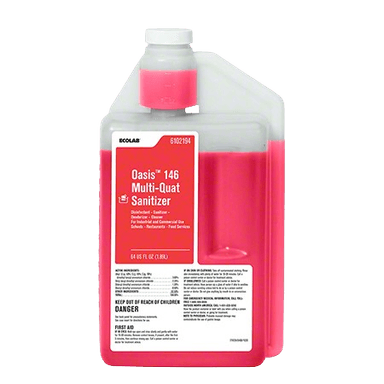
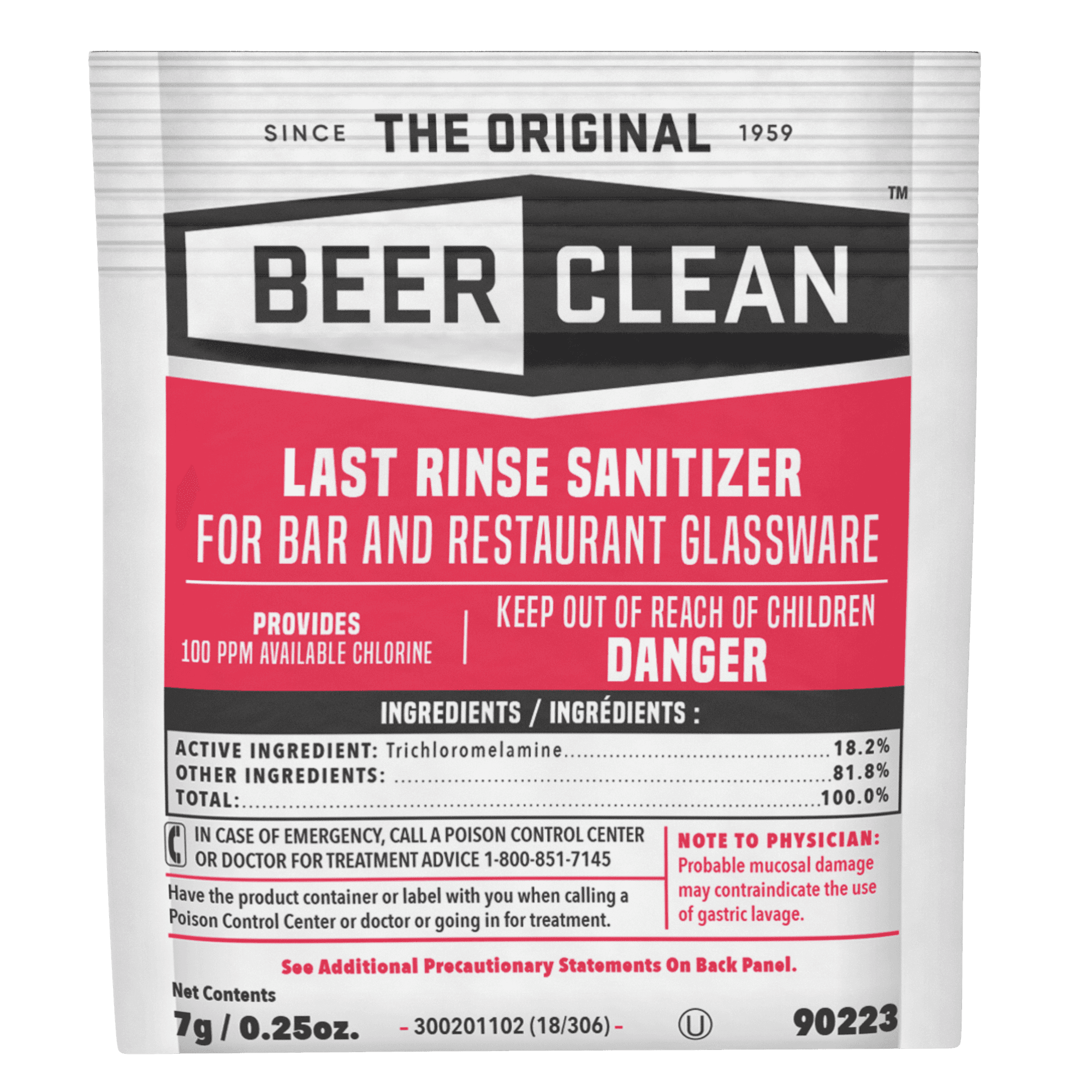
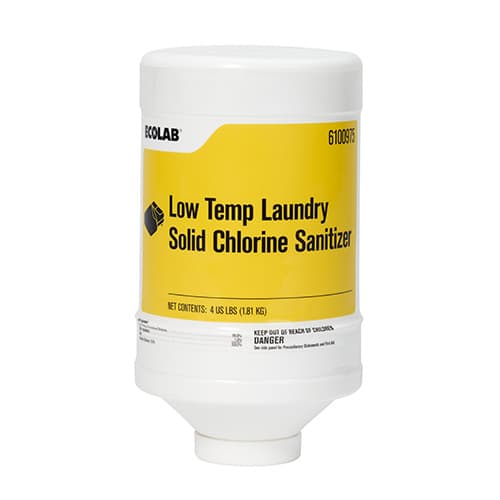
Sanitizers are essential cleaning agents used by restaurants, catering operations, and food trucks to eliminate harmful bacteria and ensure food contact surfaces meet health code requirements. Wholesale sanitizers for restaurants include quaternary ammonium, chlorine-based, and iodine solutions designed for high-volume commercial use. Proper sanitization is a critical final step in food safety protocols, protecting both customers and business reputations.
Types of Commercial Sanitizers
Bulk sanitizers for restaurants are available in multiple formulations to suit different applications and surface types. Quaternary ammonium (quat) sanitizers offer broad-spectrum antimicrobial activity and are gentle on hands and surfaces, while chlorine-based sanitizers provide rapid kill times and cost-effective disinfection for high-temperature dishwashing systems. Iodine sanitizers are effective at lower concentrations and leave a visible residue that confirms application, making them popular for manual sanitizing operations.
Concentration and Application Methods
Commercial food service sanitizers require precise dilution ratios to achieve effective pathogen elimination while remaining safe for food contact surfaces. Most wholesale sanitizer concentrates are designed for use in three-compartment sinks, spray bottles, or automated dispensing systems that ensure consistent strength. Test strips should always be used to verify proper sanitizer concentration, as solutions that are too weak fail to sanitize effectively while overly strong mixtures waste product and may leave residues.
Choosing the Right Sanitizers
Select sanitizers based on your operation's specific needs and equipment:
- Match sanitizer to water temperature: Quat sanitizers work best in cool to warm water, while chlorine sanitizers are most effective in warmer water and iodine solutions require cooler temperatures for optimal performance.
- Consider contact time requirements: Chlorine sanitizers typically require only 7-10 seconds of contact time, while quat-based solutions need at least 30 seconds to achieve proper sanitation.
- Account for water hardness: Hard water can reduce the effectiveness of quat sanitizers, so operations with mineral-rich water may benefit from chlorine-based alternatives or water softening systems.
- Plan for proper storage: Store sanitizer concentrates in cool, dry locations away from food products and ensure all diluted solutions are clearly labeled with contents and mixing date.
- Train staff on testing protocols: Implement regular testing schedules using appropriate test strips to verify sanitizer concentration throughout each shift, adjusting mixtures as needed to maintain effectiveness.