
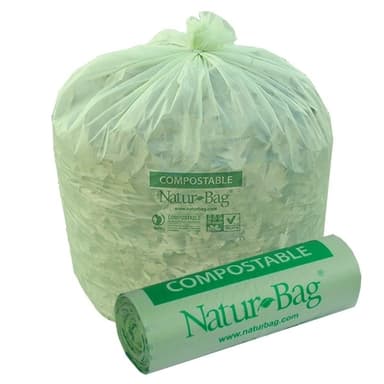
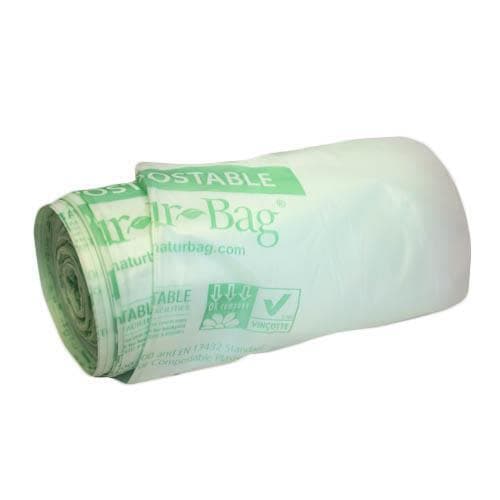
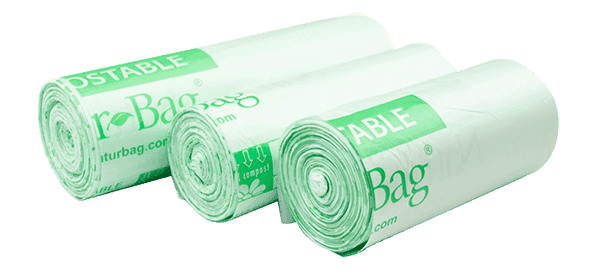
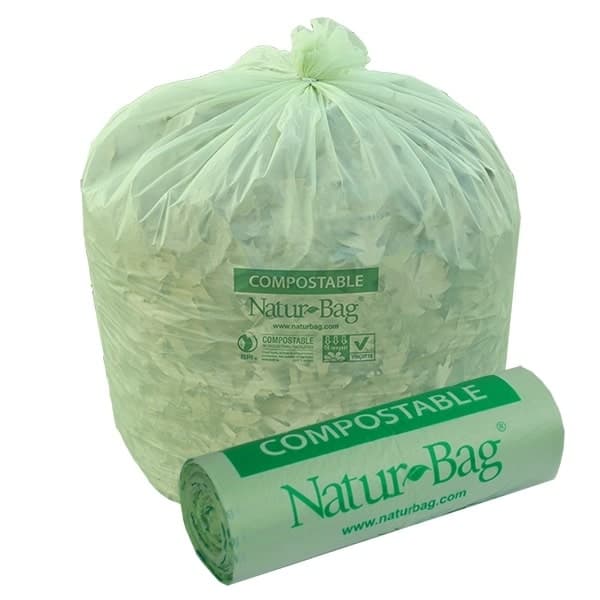
About Wholesale Compost Bags
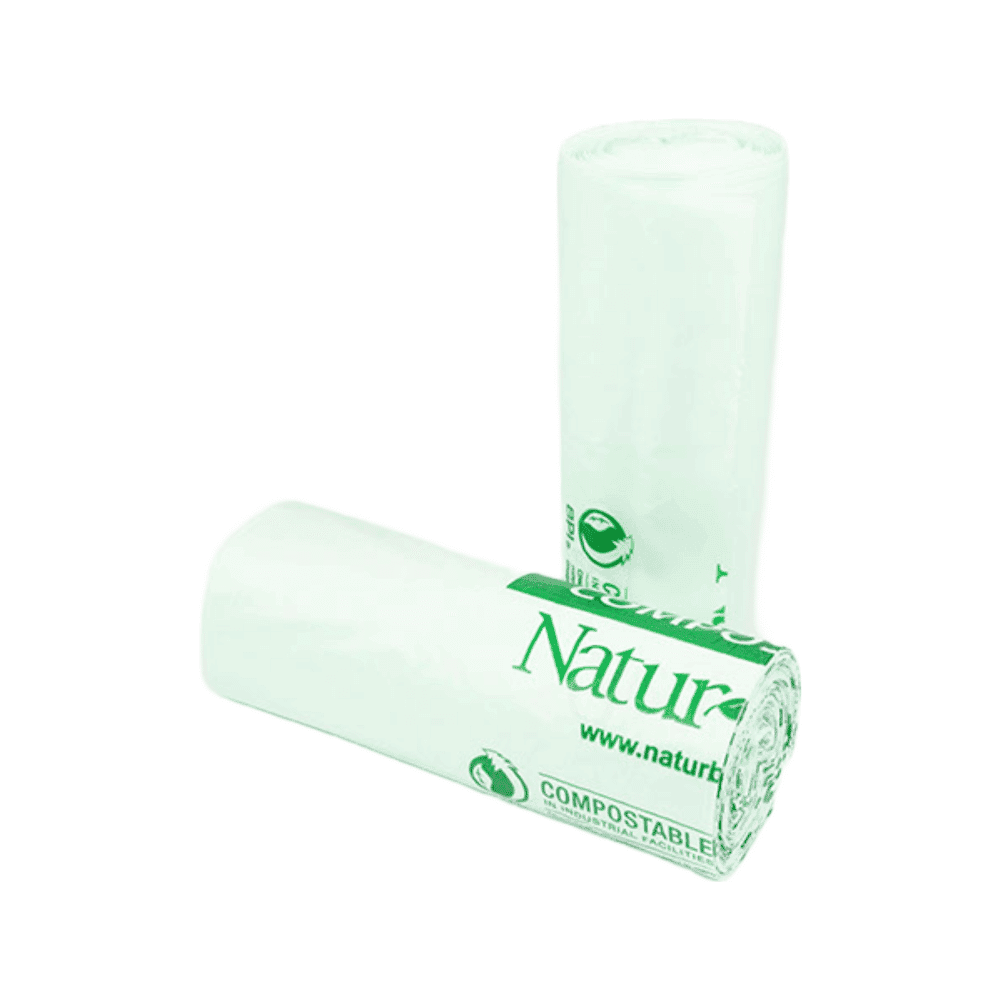
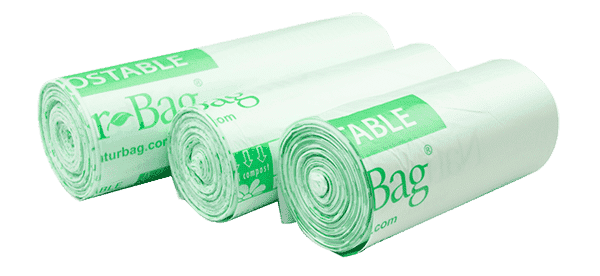
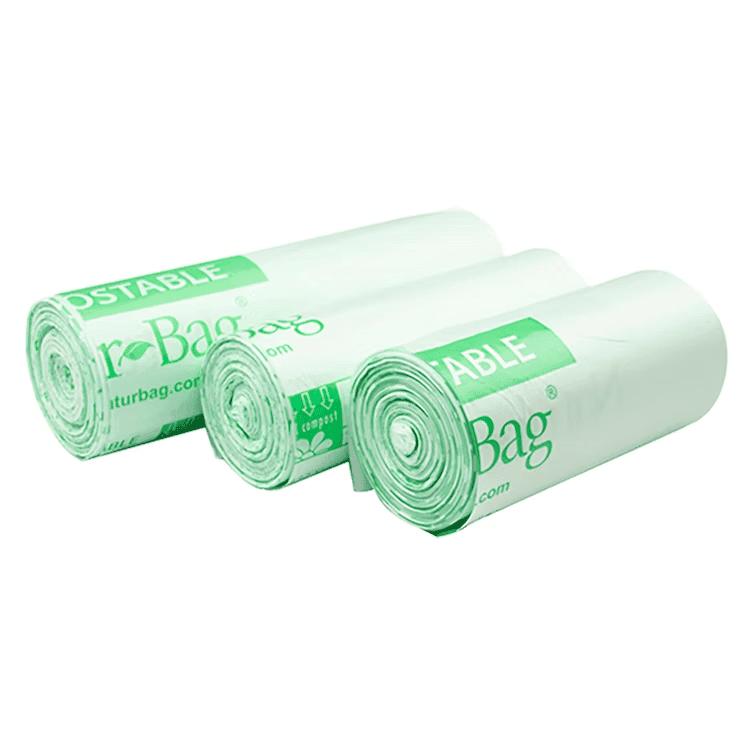
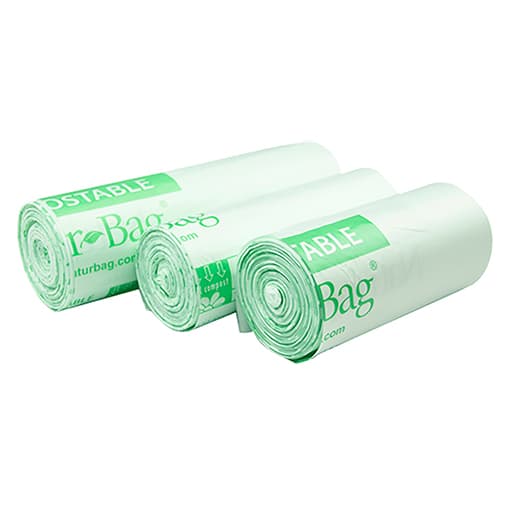
Compost bags are essential waste management tools for restaurants, cafeterias, and catering operations committed to diverting organic waste from landfills. These specialized bags are designed to collect food scraps, compostable serviceware, and other biodegradable materials while maintaining integrity during storage and transport. Wholesale compost bags for restaurants provide an economical solution for high-volume operations transitioning to sustainable waste practices.
Material Options and Sustainability
Compost bags are typically manufactured from plant-based materials like cornstarch (PLA), potato starch, or other biopolymers that break down in commercial composting facilities. Unlike conventional plastic bags, these compostable alternatives meet ASTM D6400 or EN 13432 standards, ensuring they decompose completely without leaving harmful residues. Bulk compost bags for restaurants offer thickness variations from lightweight 0.7 mil options for dry waste to heavy-duty 1.0 mil bags for wet food scraps and liquid-heavy materials.
Sizes and Capacity for Commercial Use
Commercial compost bags range from small 2.5-gallon counter caddies to large 64-gallon roll-out cart liners, accommodating various collection points throughout food service operations. High-volume kitchens typically stock multiple sizes, using smaller bags for prep stations and larger bags for walk-in coolers and dishwashing areas. Properly sized wholesale compost bags reduce bag waste, prevent overfilling, and streamline waste collection workflows during peak service hours.
Certifications and Compliance
Look for compost bags certified by the Biodegradable Products Institute (BPI) or meeting Certified Compostable standards, as many commercial composting facilities require these certifications for acceptance. These third-party validations ensure bags will break down within the timeframes required by industrial composting operations. Food service establishments in municipalities with composting mandates should verify that their bags meet local hauler specifications to avoid rejected loads and contamination fees.
Choosing the Right Compost Bags
Select compost bags that match your operation's waste volume, storage conditions, and local composting infrastructure requirements.
- Match Bag Thickness to Waste Type: Use heavier gauge bags (1.0 mil or thicker) for wet food waste with high moisture content, and lighter bags for dry compostables like napkins and paper products to optimize cost and performance.
- Verify Composting Facility Acceptance: Confirm with your waste hauler or composting facility that they accept the specific bag certification you're purchasing, as some facilities only process certain compostable materials.
- Consider Storage Conditions: Store compost bags in cool, dry locations away from heat sources, as exposure to moisture and high temperatures can cause premature degradation before use.
- Calculate Volume Requirements: Assess daily waste generation at each collection point to determine appropriate bag sizes and quantities, preventing overfilling that can cause tears and leaks.
- Train Staff on Proper Use: Educate kitchen and front-of-house staff on what materials belong in compost bags versus recycling or trash to minimize contamination and ensure composting program success.