
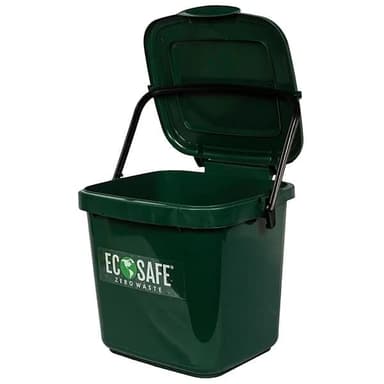
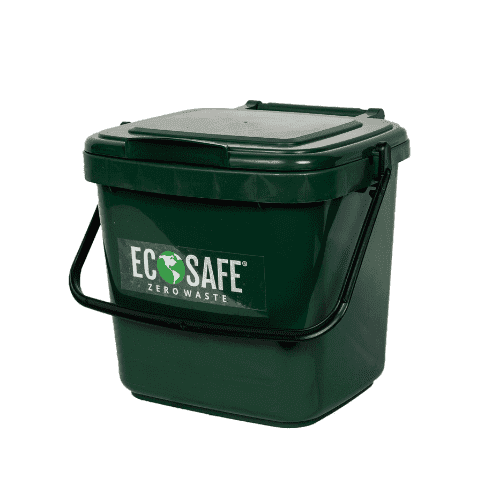
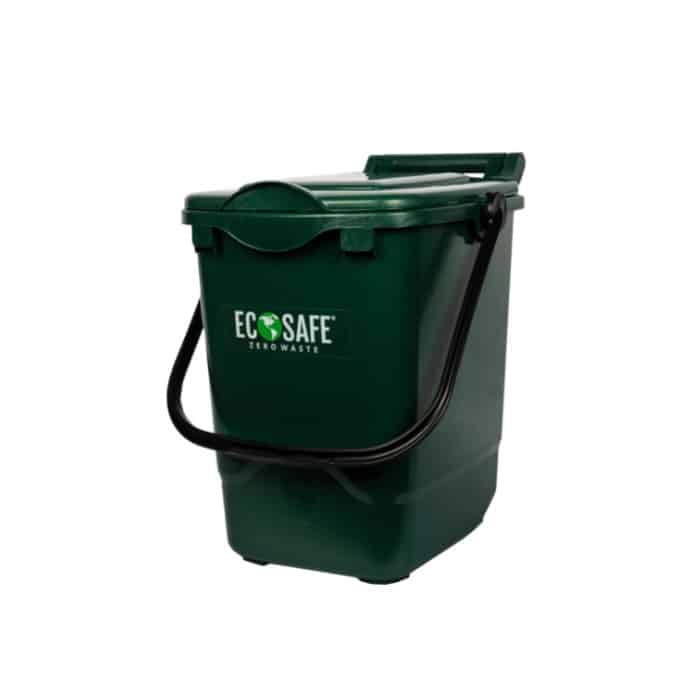
About Wholesale Compost Bins
Compost bins are essential equipment for restaurants, catering operations, and commercial kitchens committed to reducing waste and meeting sustainability goals. These dedicated containers enable food service establishments to efficiently separate organic waste for composting programs, diverting food scraps, prep trimmings, and biodegradable materials from landfills. Investing in wholesale compost bins for restaurants helps operations comply with municipal composting requirements while demonstrating environmental responsibility to customers.
Material Options and Sustainability
Commercial compost bins are typically constructed from durable plastics, stainless steel, or powder-coated metal designed to withstand the moisture and weight of organic waste. Many bulk compost bins for restaurants feature recycled content or recyclable materials, reinforcing the environmental mission of composting programs. Stainless steel options offer superior durability and easy sanitation in high-volume kitchen environments, while heavy-duty plastic bins provide lightweight maneuverability and resistance to corrosion from acidic food waste.
Size and Capacity Considerations
Compost bin capacity requirements vary significantly based on kitchen volume, menu type, and frequency of waste collection. Small operations may function well with 10-15 gallon countertop or under-counter models, while high-volume restaurants and institutional kitchens typically require 32-gallon or larger floor-standing units. Many facilities implement a tiered system with smaller collection bins at prep stations that empty into larger consolidation containers for hauler pickup.
Features for Commercial Use
Professional-grade compost bins include features that address the unique challenges of food service environments, including tight-sealing lids to control odors and prevent pest access, ergonomic handles for safe transport, and smooth interior surfaces that facilitate complete emptying and cleaning. Color-coded lids and clear labeling help staff quickly identify compost bins within waste stream sorting systems. Wheeled models enhance mobility for large-capacity bins, reducing physical strain when transporting heavy loads to collection areas.
Choosing the Right Compost Bins
Consider these factors when selecting compost bins for commercial food service operations:
- Match Volume to Workflow: Calculate daily organic waste generation and collection schedule to determine appropriate bin sizes and quantities for each kitchen zone.
- Prioritize Odor Control: Select bins with tight-fitting lids and consider models with charcoal filters or ventilation systems for areas where bins remain in customer view or dining spaces.
- Consider Cleaning Requirements: Choose bins with smooth, non-porous surfaces and removable liners that simplify sanitation and prevent bacterial growth between waste collections.
- Evaluate Spatial Constraints: Measure available floor space and clearances to ensure bins fit comfortably in designated areas without obstructing kitchen traffic patterns or work zones.
- Verify Hauler Compatibility: Confirm bin specifications align with commercial composting service requirements, including size restrictions, acceptable liner materials, and collection container standards.