
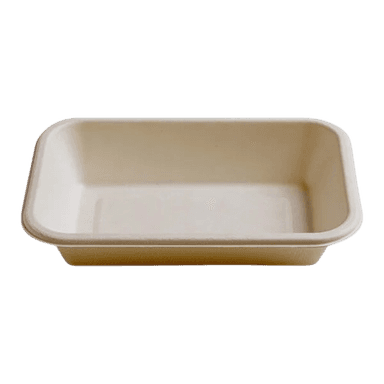
About Wholesale Fiber Deli Containers
Fiber deli containers provide eco-conscious food service operations with sustainable, compostable packaging for salads, sides, and prepared foods. Restaurants, delis, caterers, and food trucks rely on wholesale fiber deli containers for restaurants to reduce their environmental footprint while maintaining professional presentation. These plant-based containers offer heat tolerance and grease resistance comparable to traditional plastic options.
Material Options and Sustainability
Fiber deli containers are manufactured from renewable plant-based materials including bamboo, sugarcane bagasse, and molded fiber pulp. These compostable alternatives break down naturally in commercial composting facilities, making bulk fiber deli containers for restaurants an ideal choice for operations committed to zero-waste initiatives. The natural fiber construction provides structural integrity while maintaining biodegradability, offering a guilt-free alternative to petroleum-based packaging.
Performance and Applications
Despite their eco-friendly composition, fiber deli containers deliver reliable performance for hot and cold applications. The material's natural grease and moisture resistance makes these containers suitable for everything from hot soups and grain bowls to cold salads and fruit cups. Many fiber containers feature secure-fitting lids that prevent leaks during transport, making them dependable for delivery services and takeout operations.
Sizes and Configurations
Wholesale fiber deli containers are available in capacities ranging from small 8-ounce portion cups to large 32-ounce meal containers. Round and rectangular configurations accommodate different menu items, from individual sauce portions to family-sized entrees. Multi-compartment options allow for separated ingredients, preventing soggy textures and maintaining food quality during transport.
Choosing the Right Fiber Deli Containers
Consider these factors when selecting fiber containers for your operation:
- Match Container to Contents: Select container depth and diameter based on portion sizes and food types to minimize air space and maintain temperature retention.
- Verify Composting Compatibility: Confirm that your local composting facility accepts fiber food packaging and communicate this benefit to environmentally conscious customers.
- Test Lid Security: Ensure lids fit snugly for delivery applications, as secure closures prevent spills and maintain food presentation during transport.
- Consider Heat Requirements: Check maximum temperature ratings if serving hot foods, as some fiber containers handle higher heat levels better than others.
- Calculate Volume Needs: Order bulk quantities based on daily usage patterns to ensure consistent supply while taking advantage of wholesale pricing on fiber deli containers.