
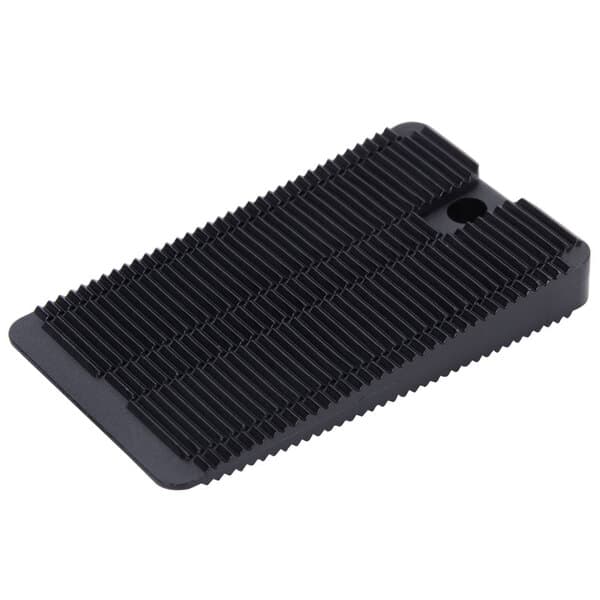
Wobble Wedge Tapered Black Hard Polypropylene Installation Table Wedge / Table Stabilizer
About Wholesale Safety Gear
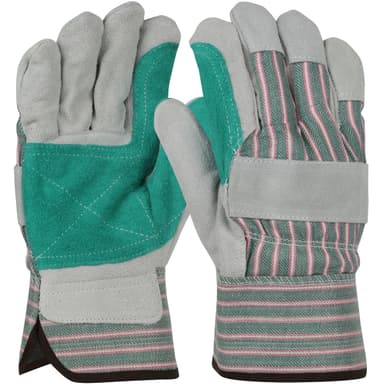
Safety gear encompasses essential protective equipment for food service professionals, including cut-resistant gloves, safety goggles, slip-resistant footwear, and protective aprons. Restaurants, commercial kitchens, catering operations, and food processing facilities rely on wholesale safety gear for restaurants to protect staff from workplace hazards ranging from knife cuts to chemical exposure. Proper safety equipment reduces injury rates, ensures compliance with occupational health standards, and demonstrates a commitment to employee welfare.
Essential Protection Categories
Bulk safety gear for restaurants includes hand protection (cut-resistant gloves rated A2 through A9, heat-resistant gloves up to 932°F, and disposable food-safe gloves), eye and face protection (impact-resistant safety glasses, face shields for fryer operations, and anti-fog goggles), footwear (slip-resistant shoes meeting ASTM F2913 standards, steel-toe boots for warehouse areas), and body protection (waterproof aprons, arm guards, and back support belts). Each category addresses specific kitchen hazards while maintaining comfort during extended shifts.
Material Durability and Standards
Professional-grade safety gear utilizes materials engineered for food service environments, including high-performance polyethylene fiber blends for cut resistance, nitrile coatings for grip and chemical protection, and flame-resistant aramid fibers for heat exposure. Quality wholesale safety equipment meets or exceeds ANSI/ISEA standards for protective equipment, NSF certification for food contact items, and OSHA requirements for workplace safety. Materials must withstand frequent washing, exposure to oils and cleaning chemicals, and the physical demands of commercial kitchen work.
Compliance and Risk Management
Providing appropriate safety gear fulfills both legal obligations and operational best practices in food service establishments. OSHA regulations require employers to assess workplace hazards and provide necessary protective equipment at no cost to employees, while workers' compensation insurers often mandate specific safety protocols. Implementing a comprehensive safety gear program reduces injury claims, minimizes staff downtime, and creates a culture of safety that improves employee retention and morale.
Choosing the Right Safety Gear
Consider these factors when selecting protective equipment for your food service operation:
- Hazard Assessment First: Conduct a station-by-station analysis to identify specific risks like mandoline use, fryer operation, or chemical cleaning tasks, then match gear to actual hazards rather than purchasing generic equipment.
- Proper Fit Matters: Stock multiple sizes of gloves, goggles, and footwear to ensure proper fit, as ill-fitting safety gear reduces protection effectiveness and decreases employee compliance with safety protocols.
- Maintenance and Replacement: Establish inspection schedules for safety equipment, replacing cut-resistant gloves when fibers show wear, discarding scratched safety glasses that impair vision, and rotating footwear before treads lose slip resistance.
- Task-Specific Equipment: Provide specialized gear for high-risk tasks such as chain mail gloves for oyster shucking, extended cuff gloves for reaching into fryers, and hearing protection for staff working near loud commercial dishwashers.
- Training and Accountability: Pair equipment investment with proper training on correct usage, cleaning procedures, and storage, while implementing sign-out systems to ensure accountability and track replacement needs.
Frequently asked questions
- How often should safety gear be replaced?
- Inspect equipment regularly and replace when worn. Discard cut-resistant gloves showing fiber wear, scratched safety glasses, and footwear with degraded treads before slip resistance diminishes.