




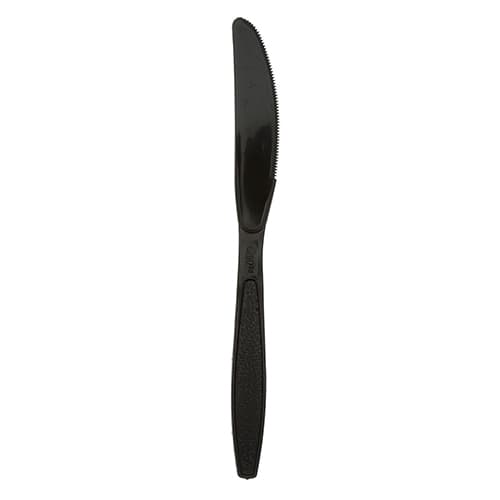
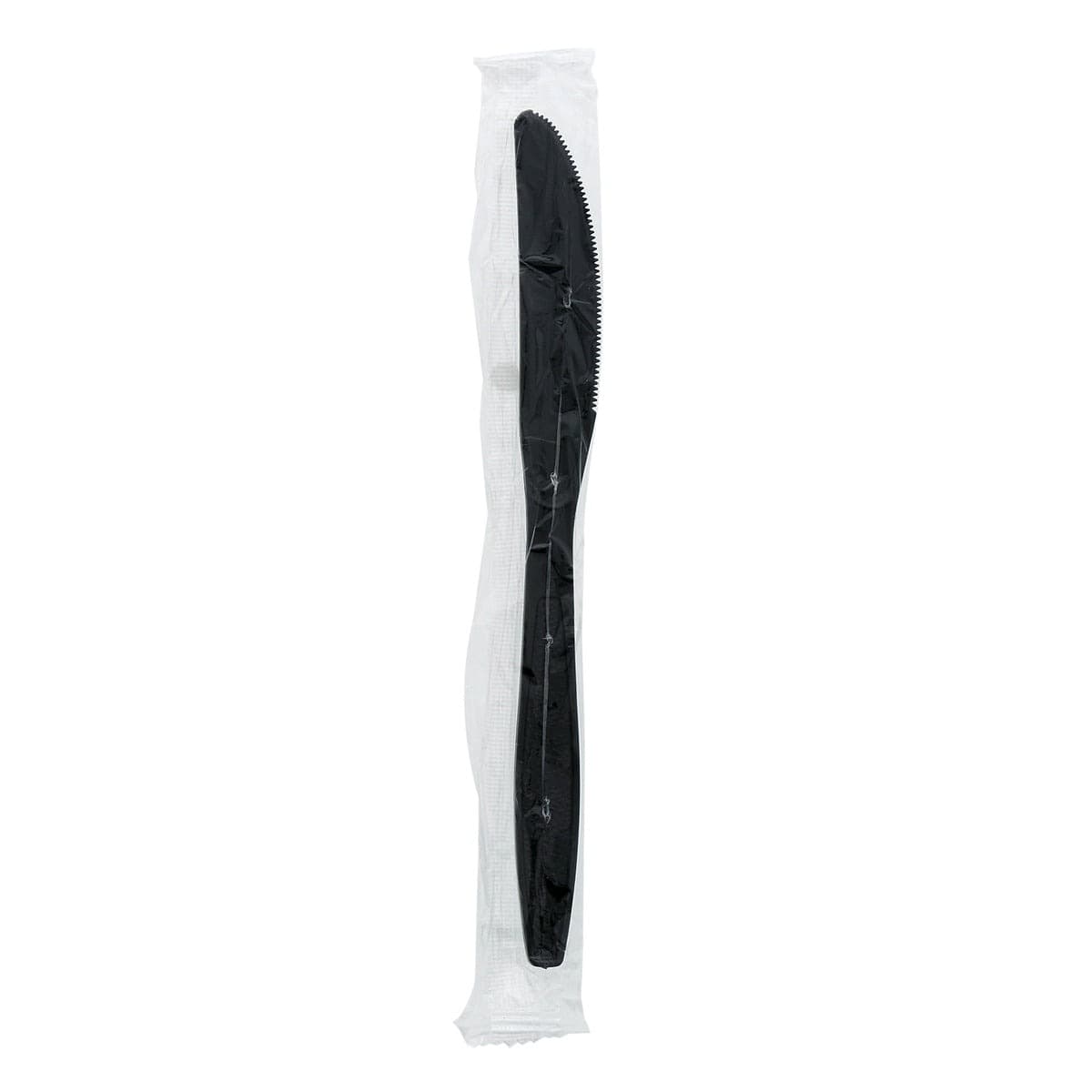
AmerCare Individually Wrapped Black Heavy Weight Plastic Knife
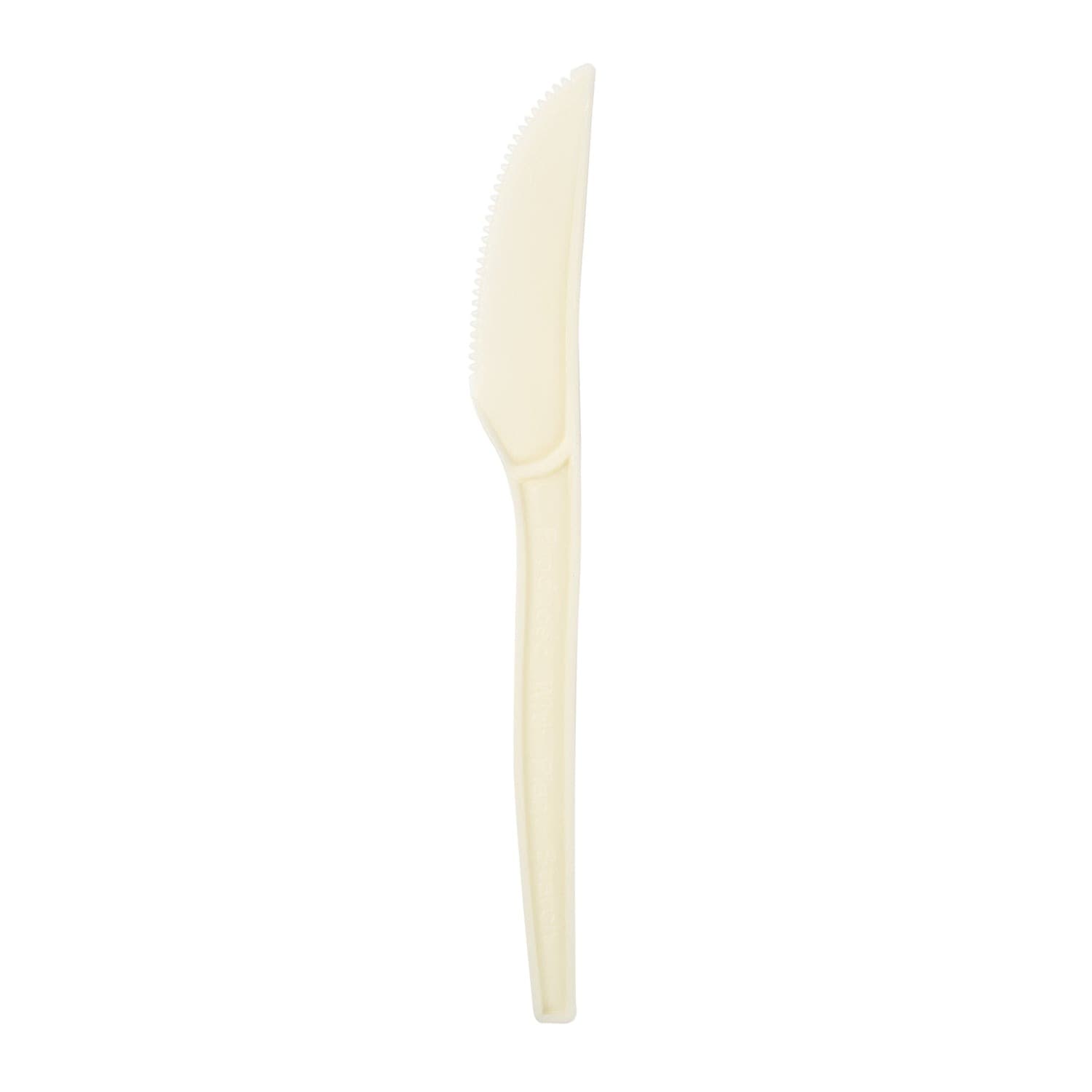
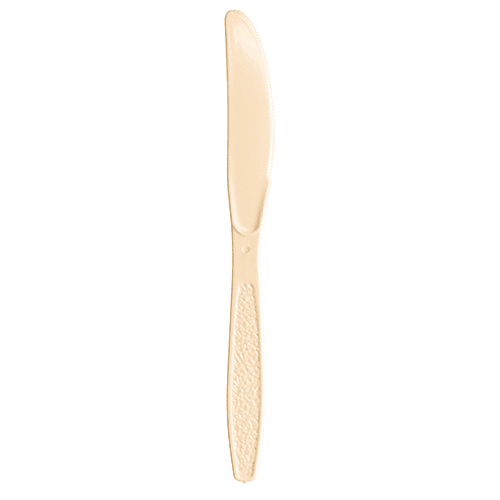
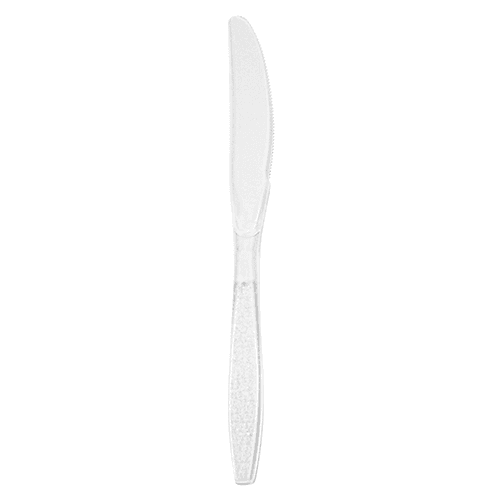
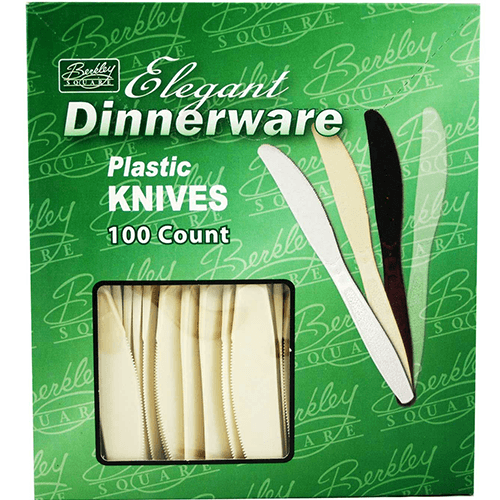
Berk Heavy Weight Almond Boxed Polystyrene Bulk Knives
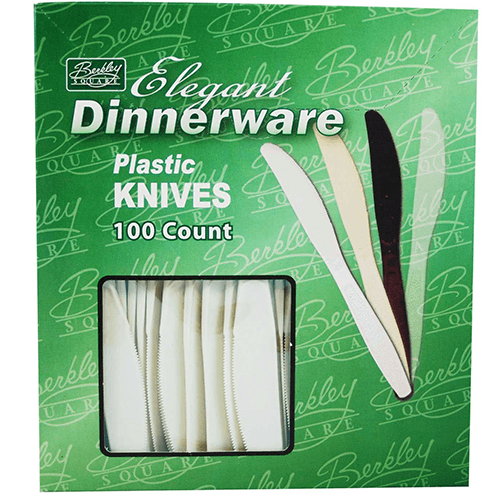

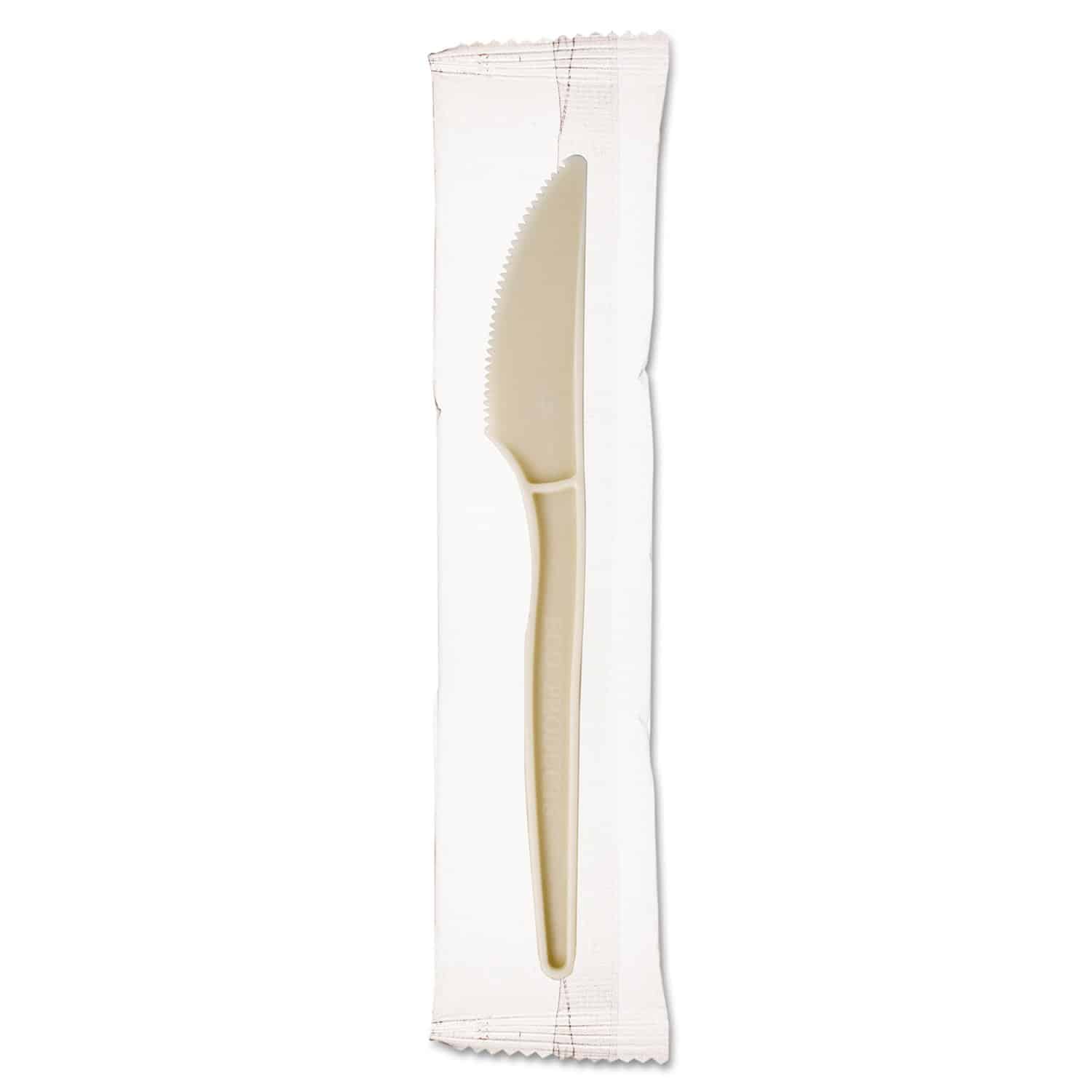
Berk Individually Wrapped White Heavy Weight Plastic Knife

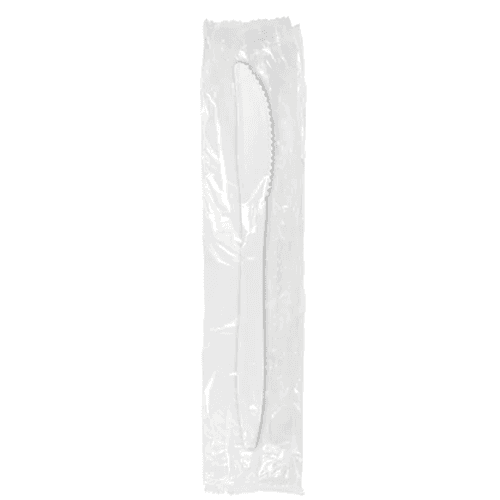
Berkley Square Individually Wrapped Medium Weight White Plastic Knife
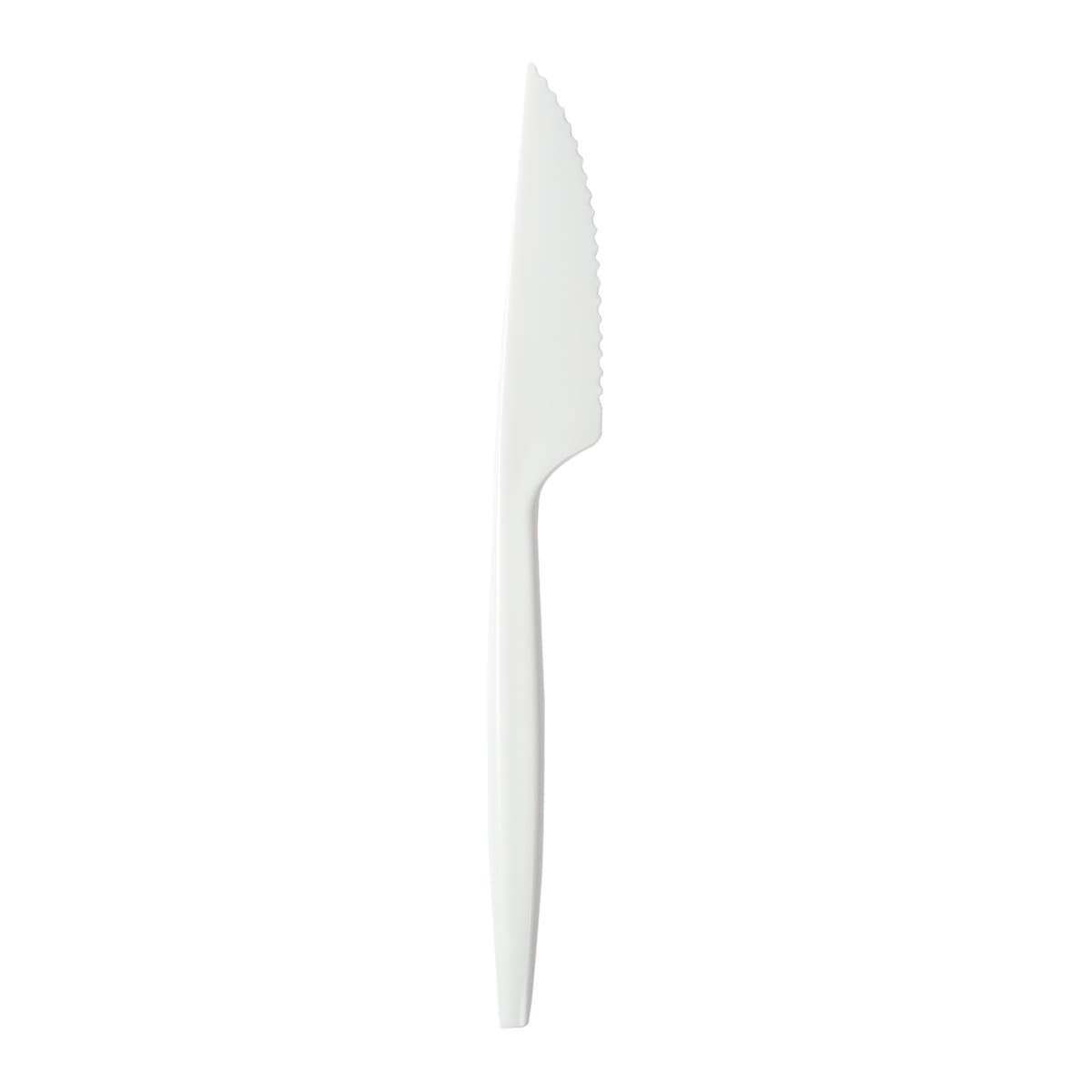


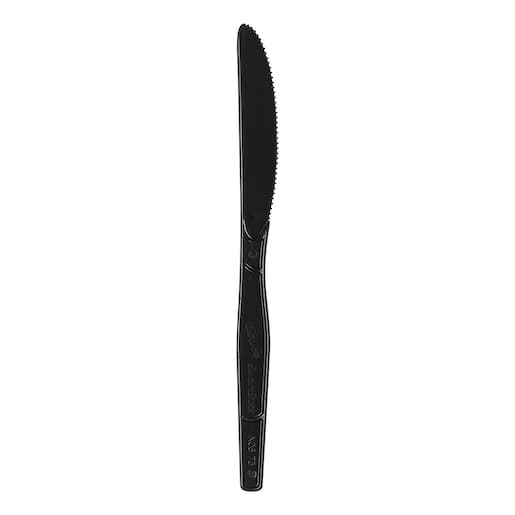
Dixie Ultra® Smartstock® Series-O Medium Weight Black Polystyrene Plastic Knife Refill
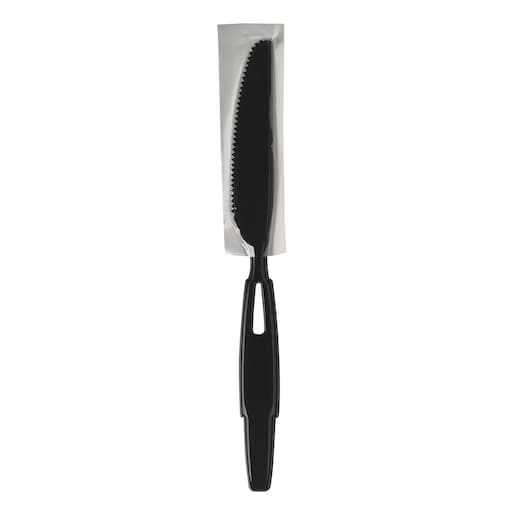
Dixie Ultra® Smartstock® Series-W Black Heavy Weight Polypropylene Plastic Wrapped Knife
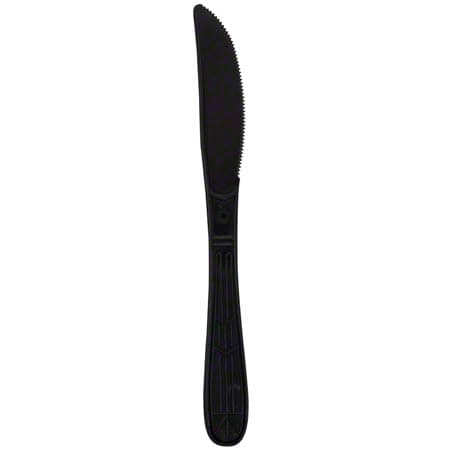
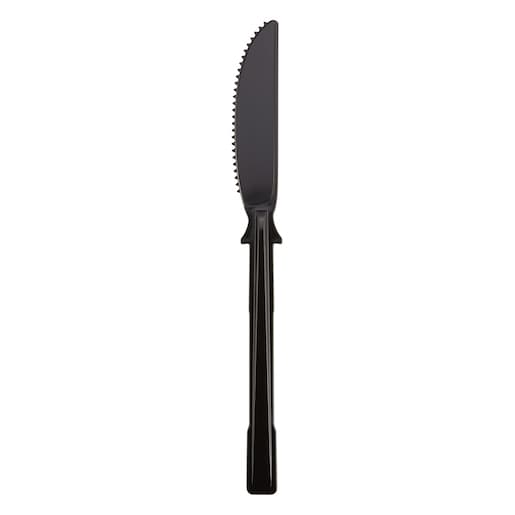
GP Pro Dixie Ultra® Smartstock® Black Series-T Polystyrene Plastic Knife Refill
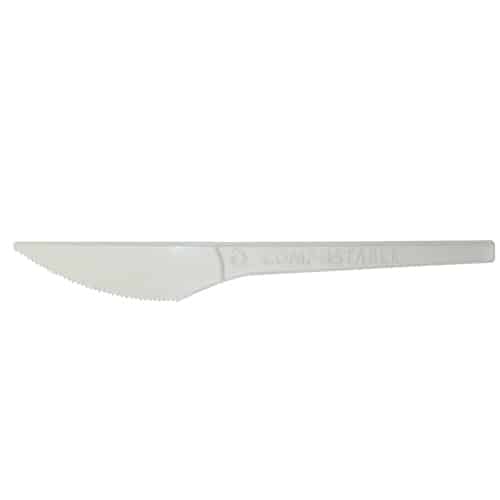
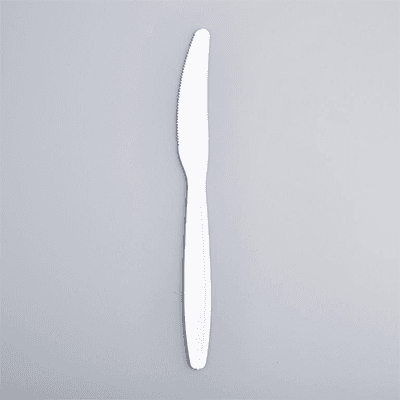
Related Categories
About Wholesale Knives
Wholesale knives for restaurants are essential tools that directly impact food preparation efficiency, safety, and presentation quality. Professional kitchens require durable, sharp blades for everything from prep work to plating, while catering operations and food trucks need reliable cutlery that withstands high-volume use. Investing in quality bulk knives for restaurants ensures consistency across kitchen stations and reduces long-term replacement costs.
Material Options and Durability
Commercial kitchen knives are typically manufactured from high-carbon stainless steel, which offers superior edge retention and corrosion resistance, or forged steel for heavy-duty applications. Ceramic blades provide lightweight alternatives for specific cutting tasks, while carbon steel options deliver exceptional sharpness for precision work. Material selection impacts maintenance requirements, longevity, and performance across different food preparation tasks.
Blade Types for Different Kitchen Tasks
Professional kitchens require specialized blade profiles including chef's knives for general preparation, paring knives for detail work, serrated knives for bread and tomatoes, and boning knives for butchery tasks. Santoku and cleaver styles address specific cultural cuisine needs and cutting techniques. Stocking a comprehensive range of wholesale restaurant knives ensures kitchen staff have appropriate tools for every preparation requirement.
Safety and Maintenance Considerations
Proper knife maintenance includes regular honing, professional sharpening schedules, and secure storage systems to prevent accidents and extend blade life. NSF-certified handles with slip-resistant grips reduce injury risk in fast-paced kitchen environments. Color-coded handle systems help prevent cross-contamination by designating specific knives for raw proteins, vegetables, or allergen-free preparation areas.
Choosing the Right Knives
Consider these factors when selecting knives for commercial food service operations.
- Match Blade to Task: Select knife types based on menu requirements and primary food preparation tasks rather than purchasing generic sets.
- Handle Comfort Matters: Ergonomic handles reduce hand fatigue during extended prep shifts and improve cutting precision and safety.
- Balance Quality and Budget: Invest in premium chef's knives for lead cooks while selecting durable mid-range options for general prep stations.
- Consider Maintenance Requirements: Stainless steel blades require less maintenance than carbon steel, making them ideal for high-volume operations with limited sharpening time.
- Plan for Replacement Cycles: Establish knife replacement schedules based on usage intensity to maintain consistent cutting performance and kitchen safety standards.
Frequently asked questions
- What types of knives are best for commercial kitchens?
- High-carbon stainless steel knives are preferred for durability and edge retention. Include chef's knives, paring knives, serrated knives, and boning knives based on your menu and prep tasks.
- How can I ensure the longevity of my knives?
- Regular honing, professional sharpening, and secure storage prevent accidents and extend blade life. Hand-wash and dry after each use to prevent corrosion.