ASTM D6868
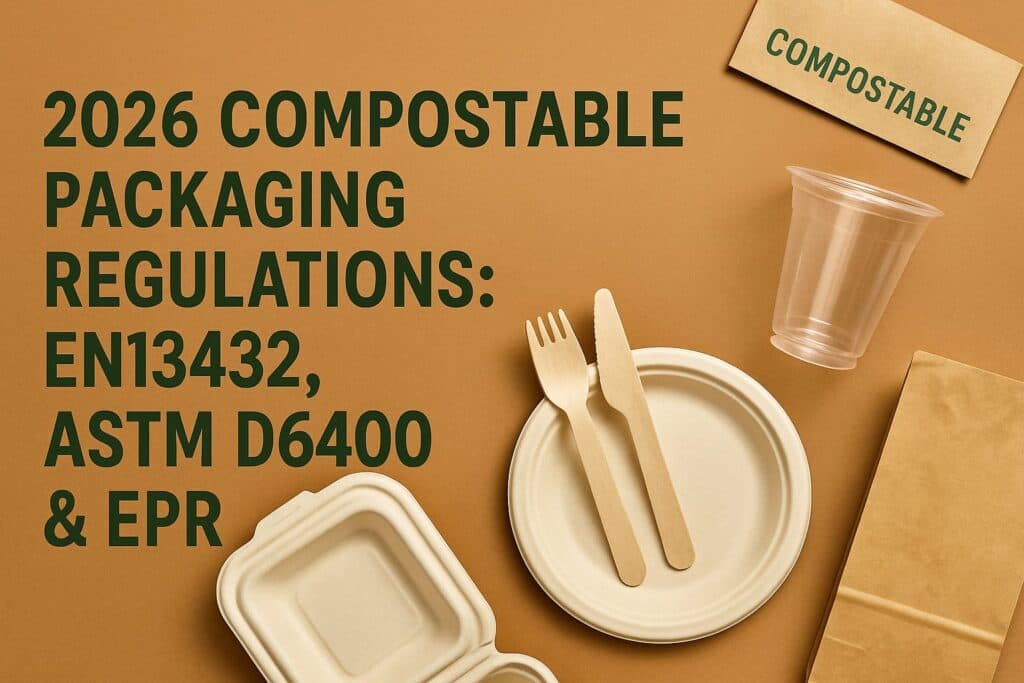
ASTM D6868 is a standard specification for labeling paper and fiber products that incorporate plastics as coatings or additives, designed to be aerobically composted in municipal or industrial facilities that achieve thermophilic temperatures.
ASTM D6868 is a standard specification that establishes testing and labeling requirements for paper and fiber products with plastic coatings or additives designed to be composted in industrial facilities. The standard applies specifically to multilayer materials where plastic film, sheet, or coating is attached to paper substrates through lamination, extrusion, or mixing—products like coated hot cups, fiber bowls, and PE-lined paperboard containers.
What Makes ASTM D6868 Different from D6400?
ASTM D6868 covers paper-based products with plastic coatings, while ASTM D6400 applies to products made entirely of plastic or bioplastic. This distinction matters because coated paper packaging represents a significant portion of foodservice disposables—coffee cups with PLA linings, wax-alternative coated bowls, and biodegradable laminated takeout containers all fall under D6868 jurisdiction.
Every layer in a multilayer material must independently pass the biodegradation requirements of ASTM D6400. A cup might have compostable paper and a compostable coating, but if the coating doesn’t biodegrade at the required rate, the entire product fails certification.
Testing Requirements for ASTM D6868 Certification
Products must demonstrate four key performance criteria: biodegradation (conversion to CO₂, water, and biomass), disintegration (physical breakdown to pieces smaller than 2mm), ecotoxicity testing (proving the compost supports plant growth), and heavy metal limits for lead, cadmium, mercury, and hexavalent chromium.
Biodegradation must occur at a rate comparable to known compostable materials—typically 60% conversion within 180 days under industrial composting conditions. The standard uses ASTM D5338 as the test method for measuring biodegradation rates in controlled aerobic composting environments.
Material thickness directly affects compostability. Thicker coatings or laminations may not break down within the required timeframe, even if the material chemistry is biodegradable. This is why manufacturers must test actual product constructions, not just raw materials.
Industrial Composting vs. Home Composting
ASTM D6868 certification applies exclusively to industrial and municipal composting facilities that achieve thermophilic temperatures (131°F to 170°F). These facilities maintain controlled moisture, oxygen, and microbial conditions that home compost piles cannot replicate.
Products certified to D6868 should never be labeled as “home compostable.” Without industrial facility temperatures and microbial activity, coated paper products may persist for years in backyard bins, defeating the purpose of choosing compostable packaging.
BPI Certification and ASTM D6868
The Biodegradable Products Institute (BPI) uses ASTM D6868 as one of its primary testing standards for certifying coated paper products. BPI certification indicates a product has been independently verified to meet D6868 requirements and is accepted at participating industrial composting facilities.
Not all D6868-compliant products carry BPI certification, but BPI’s logo provides third-party verification that helps composting facilities and end users identify truly compostable items. Washington State and other jurisdictions now require products to meet ASTM D6400 or D6868 standards to be legally labeled as “compostable.”
Common Applications in Foodservice Packaging
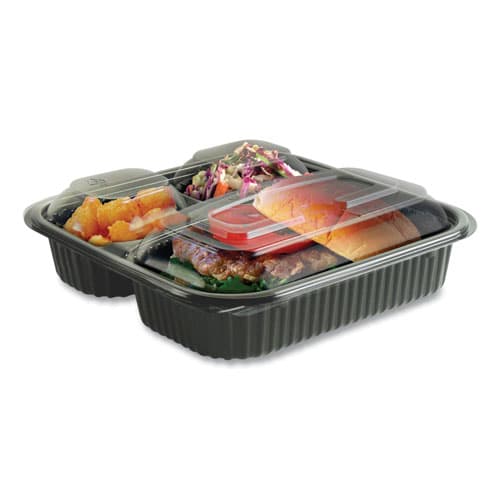
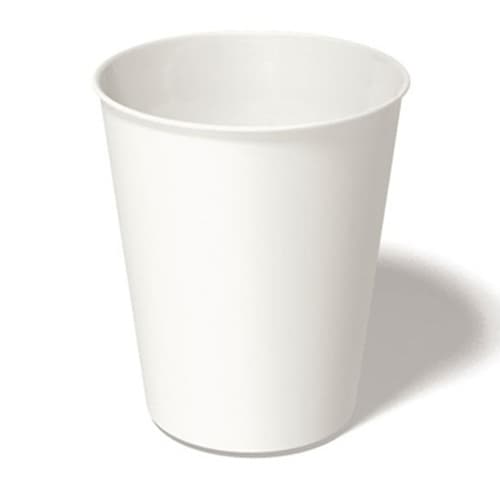
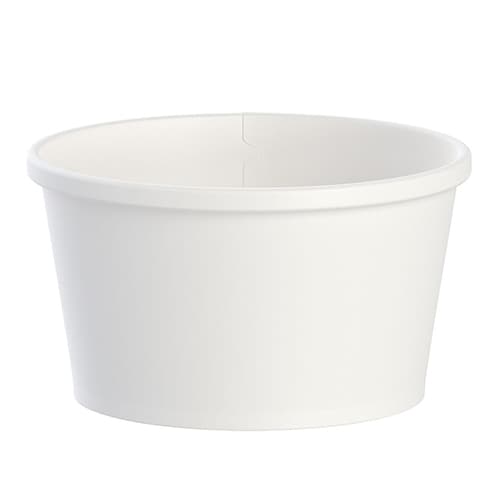
Paper-based bowls and lids, hot beverage cups with biodegradable linings, coated paper plates, and takeout containers with moisture barriers represent the primary use cases for ASTM D6868 certification. These products traditionally used polyethylene (PE) coatings that made them non-recyclable and non-compostable.
Modern alternatives use PLA coatings, plant-based waxes, or other biodegradable barriers that provide moisture and grease resistance while maintaining compostability. The challenge lies in matching the performance of conventional PE coatings while meeting the stringent biodegradation timelines required by D6868.
Regulatory Landscape and Labeling Requirements
State and local regulations increasingly reference ASTM D6868 as the benchmark for compostable packaging claims. California, Washington, and Maryland have enacted laws requiring products labeled as compostable to meet either D6868 or D6400 standards.
Proper labeling under D6868 must identify the product as designed for industrial composting facilities, not general waste or home compost. Misleading labels that suggest products will break down anywhere harm both consumer trust and composting facility operations.
Composting facilities reject loads contaminated with non-compliant products, creating financial and operational burdens. Clear ASTM D6868 certification and appropriate labeling help facilities accept truly compostable items while screening out greenwashing.
What Foodservice Operators Need to Know
Before switching to D6868-certified packaging, verify that your waste hauler services an industrial composting facility that accepts these materials. Many regions lack the infrastructure to process compostable packaging, making recyclable or conventional options more practical.
D6868-certified products typically cost 20-40% more than conventional PE-coated alternatives. This premium makes sense when composting infrastructure exists and customers value sustainability, but creates expense without benefit in markets without industrial composting access.
Request manufacturer documentation showing ASTM D6868 compliance and BPI certification numbers. Generic “compostable” or “biodegradable” claims without specific standard references often indicate products that won’t perform as promised in actual composting facilities.
Key Properties
Common Uses
ASTM D6868 certification is used for paper-based foodservice packaging with biodegradable plastic coatings, including hot beverage cups with PLA linings, fiber bowls and plates with moisture barriers, coated takeout containers, and PE-lined paperboard that uses compostable alternatives. The standard is essential for products that combine paper substrates with functional coatings to provide grease resistance, moisture barriers, or structural integrity while maintaining end-of-life compostability in industrial facilities.
Sustainability
ASTM D6868 ensures that coated paper products break down completely in industrial composting facilities without leaving microplastics or harmful residues. The standard prevents contamination in composting operations by establishing clear performance criteria for both the paper substrate and plastic coatings. Products must not introduce hazardous levels of heavy metals into finished compost, and resulting compost must support plant growth as verified through ecotoxicity testing. The standard is designed exclusively for industrial composting environments—products certified to D6868 will not break down properly in home compost systems or landfills, making proper disposal infrastructure critical to achieving sustainability benefits.