PLA (Polylactic Acid)
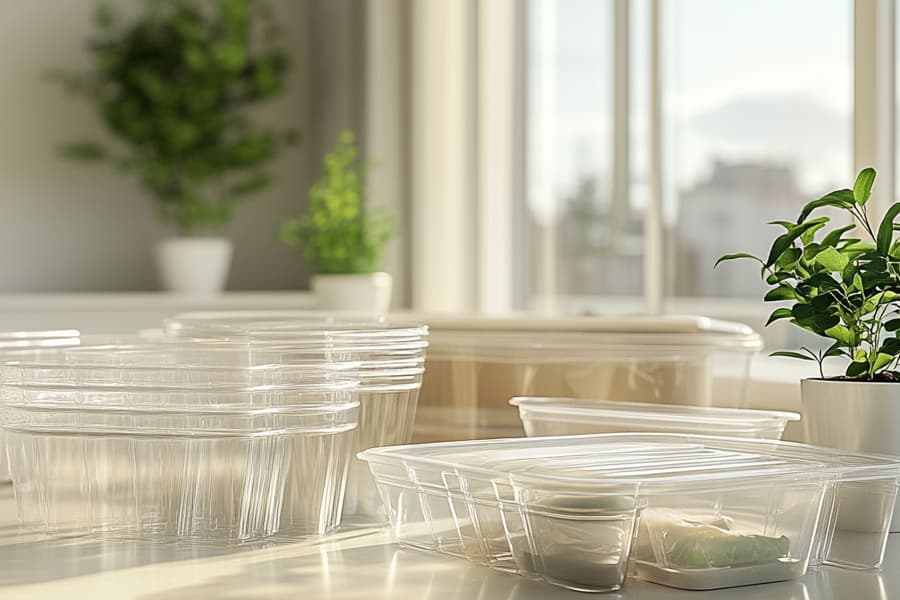
PLA (Polylactic Acid) is a bio-based, compostable thermoplastic biopolymer derived from fermented plant sugars (corn starch, sugarcane, cassava) that biodegrades in industrial composting facilities within 2-3 months under ASTM D6400 standards.
PLA (Polylactic Acid) is a bio-based, compostable thermoplastic biopolymer derived from renewable plant resources like corn starch, sugarcane, and cassava through fermentation and polymerization processes. Classified as Generally Recognized As Safe (GRAS) by the FDA, PLA offers foodservice operators a plant-based alternative to petroleum plastics for packaging applications ranging from cold cups to cutlery.
How Does PLA Perform Compared to Traditional Plastics?
Standard PLA delivers mechanical properties comparable to petroleum-based plastics like PS, PP, and PET. It offers high clarity, transparency, and a glossy finish that works well for showcasing food and beverages. PLA has a melting point range of 130-180°C (266-356°F), making it suitable for cold beverages and ambient-temperature food service.
For hot applications, standard PLA falls short. It softens and deforms above typical hot beverage temperatures. CPLA (Crystallized PLA) solves this limitation through heat treatment, increasing temperature tolerance to 185°F (85°C). This makes CPLA suitable for hot coffee cups, soup containers, and hot food takeout.
What Certifications Validate PLA Compostability?
BPI (Biodegradable Products Institute) Certification provides third-party verification that PLA products meet ASTM D6400 or ASTM D6868 standards for industrial compostability. ASTM D6400 requires 90% biodegradation within 180 days under controlled composting conditions. ASTM D6868 covers biodegradable coatings on paper and compostable substrates.
European certifications include EN 13432, which mandates disintegration within 12 weeks and complete biodegradation within 6 months. TÜV Austria OK Compost Industrial and CMA (Compost Manufacturing Alliance) certifications validate performance in real-world composting facilities. In Canada, look for BNQ CAN/BNQ 0017-088 compliance.
When sourcing PLA products like cold cup lids or cutlery, verify certification labels. BPI certification on packaging ensures the product will break down properly in municipal composting programs that accept compostable plastics.
Can PLA Be Recycled or Home Composted?
PLA cannot be recycled with traditional plastics. Its lower melting point contaminates PET and PP recycling streams, making it unacceptable at most recycling facilities. Mixing PLA with conventional plastic recycling damages equipment and degrades recycled material quality.
PLA requires industrial composting facilities to break down properly. These facilities maintain temperatures around 60°C with controlled moisture and microbial activity. Under these conditions, PLA biodegrades into CO2, water, and biomass within 2-3 months.
Home composting doesn’t work for PLA. Backyard compost bins lack the sustained high temperatures needed for degradation. In home compost or landfills, PLA persists for years or decades. It may fragment over time but won’t biodegrade, potentially releasing methane in anaerobic landfill conditions.
What Are the Sustainability Trade-Offs with PLA?
PLA reduces dependence on fossil fuels by using renewable agricultural feedstocks. Production from fermented plant sugars can lower greenhouse gas emissions compared to petroleum plastics when products reach industrial composting facilities. This enables composting food waste with packaging, potentially diverting significant organic material from landfills—EPA estimates food waste emissions equal 42 coal-fired power plants.
Industrial agriculture impacts present concerns. Most PLA comes from corn, raising questions about monoculture farming practices and effects on farming communities. The USDA National Organic Program currently prohibits PLA and compostable plastics in organic agriculture compost inputs, limiting acceptance at some facilities.
End-of-life infrastructure remains the critical challenge. Only facilities with industrial composting capabilities can process PLA. Without access to these facilities, PLA products sent to landfills negate environmental benefits. Contamination of plastic recycling streams remains an ongoing industry concern.
How to Choose Between Standard PLA and CPLA
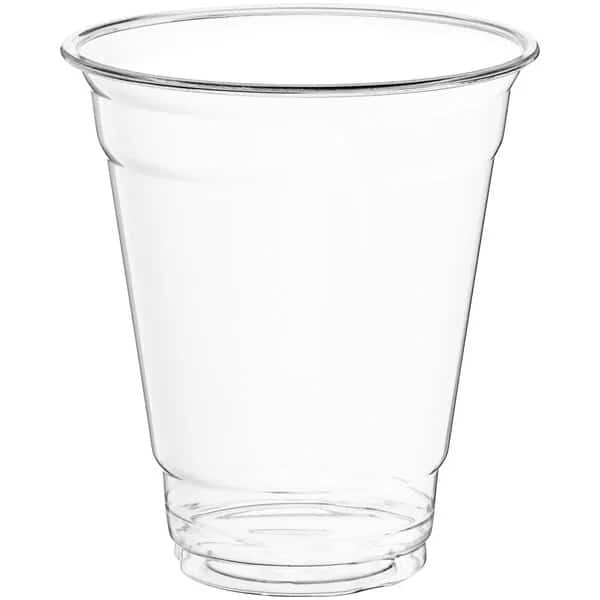
Use standard PLA for cold beverages, iced coffee, smoothies, and cold food applications. Products like cold cup lids with straw holes and PLA straws showcase its clarity and perform well below 110°F.
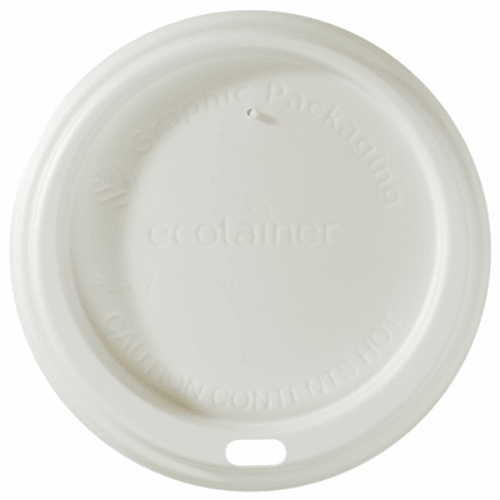
Choose CPLA for hot beverages above 140°F, hot soups, and heated food containers. Look for products explicitly labeled as CPLA or heat-resistant PLA. Hot cup lids and hot food containers typically use CPLA to withstand temperatures up to 185°F without deforming.
Test products with your specific menu items before committing to large orders. Temperature tolerance varies by manufacturer and CPLA formulation. For hybrid applications like fiber bowl lids, verify the PLA component matches your temperature requirements.
Key Properties
Common Uses
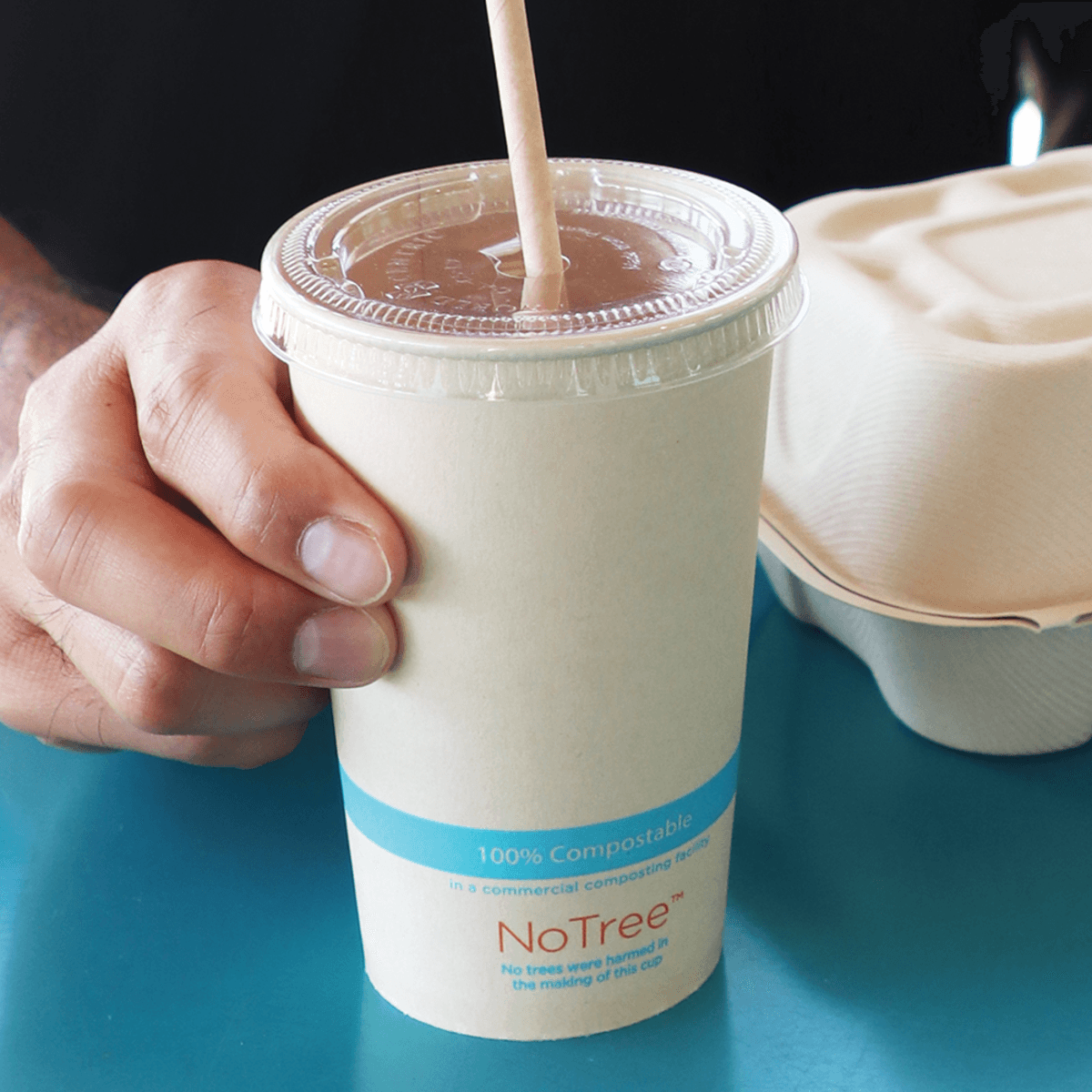
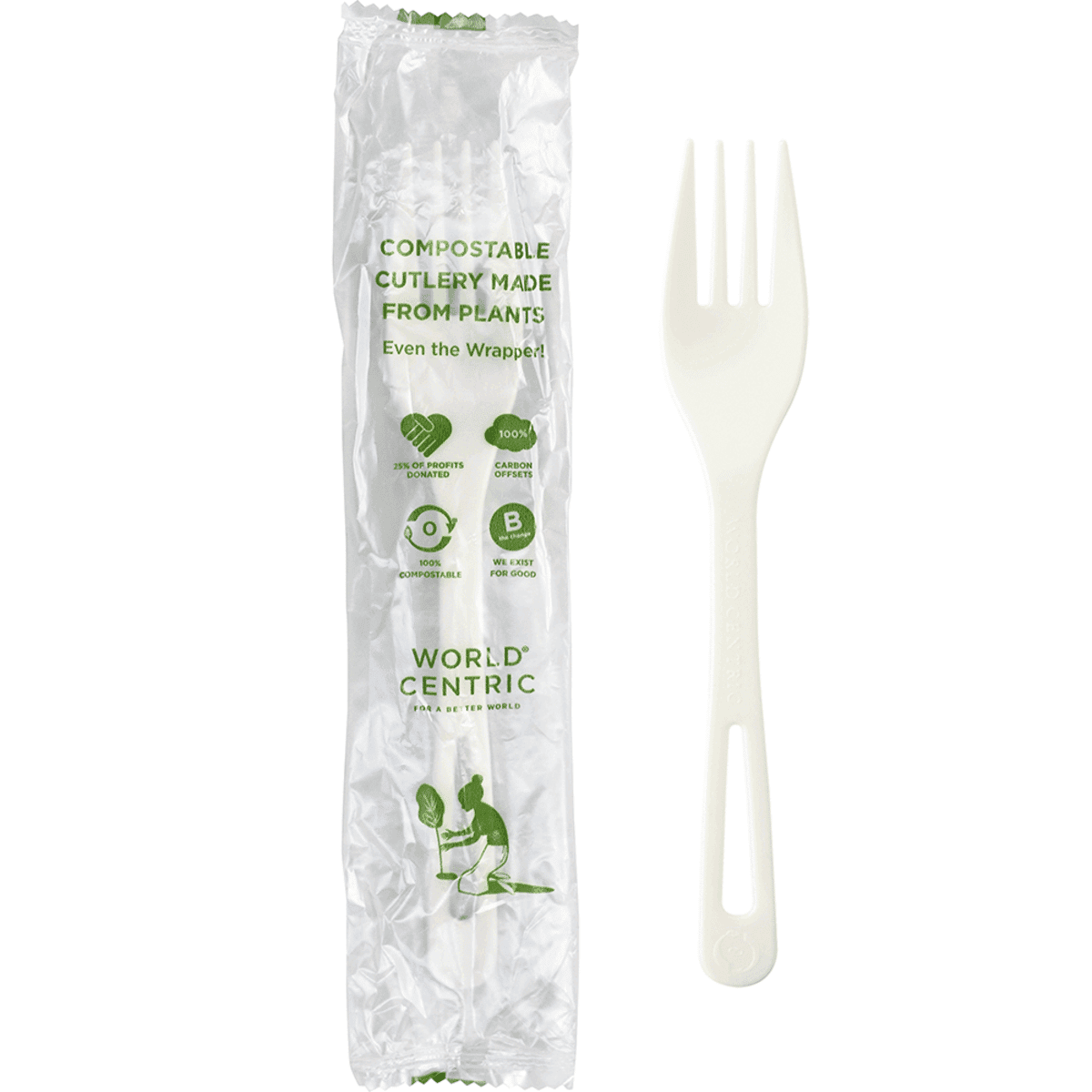
PLA serves cold beverage applications including iced coffee cups, smoothie cups, cold drink lids, and straws where clarity and food safety matter. CPLA (Crystallized PLA) extends into hot beverage service with coffee cup lids, hot soup containers, and heated food packaging rated to 185°F. Cutlery applications include forks, spoons, and knives for catering, events, and quick-service restaurants. Food containers use PLA lids paired with fiber bowls and boxes for takeout meals, salads, and burrito bowls where visibility of contents adds value. Hybrid packaging combines PLA coatings or linings with materials like kraft paper to create fully compostable multilayer structures for specific moisture and grease resistance needs.
Sustainability
PLA production from renewable agricultural resources reduces fossil fuel dependence and can lower greenhouse gas emissions when products reach industrial composting facilities. Proper end-of-life composting enables diversion of food waste and packaging together, potentially reducing methane emissions equivalent to 42 coal-fired power plants according to EPA estimates. Industrial composting breaks down PLA into CO2, water, and biomass within 2-3 months under ASTM standards, supporting circular economy principles. Sustainability concerns include industrial agriculture impacts from corn monoculture feedstock production, limited industrial composting infrastructure access in many regions, contamination risks in traditional plastic recycling streams due to different melting points, and persistence for decades in landfills where anaerobic conditions prevent biodegradation. The USDA National Organic Program currently prohibits PLA in organic agriculture compost inputs, limiting acceptance at some composting facilities and highlighting ongoing debates about agricultural feedstock sourcing practices.