
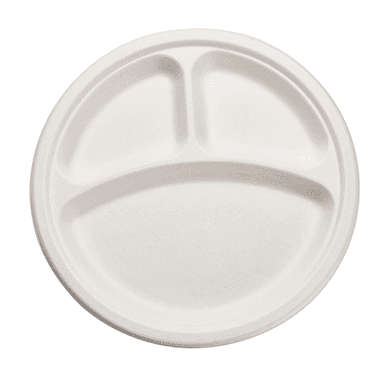
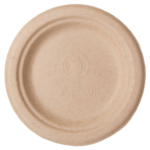
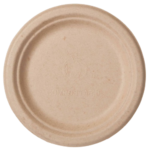
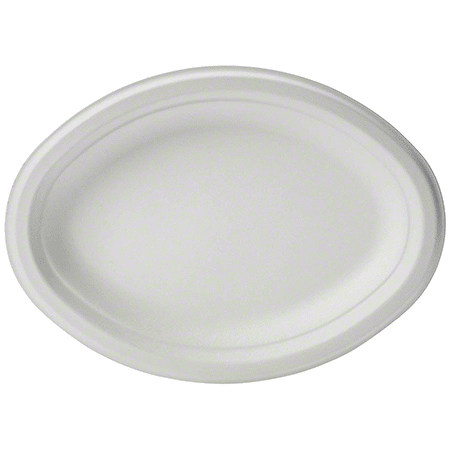
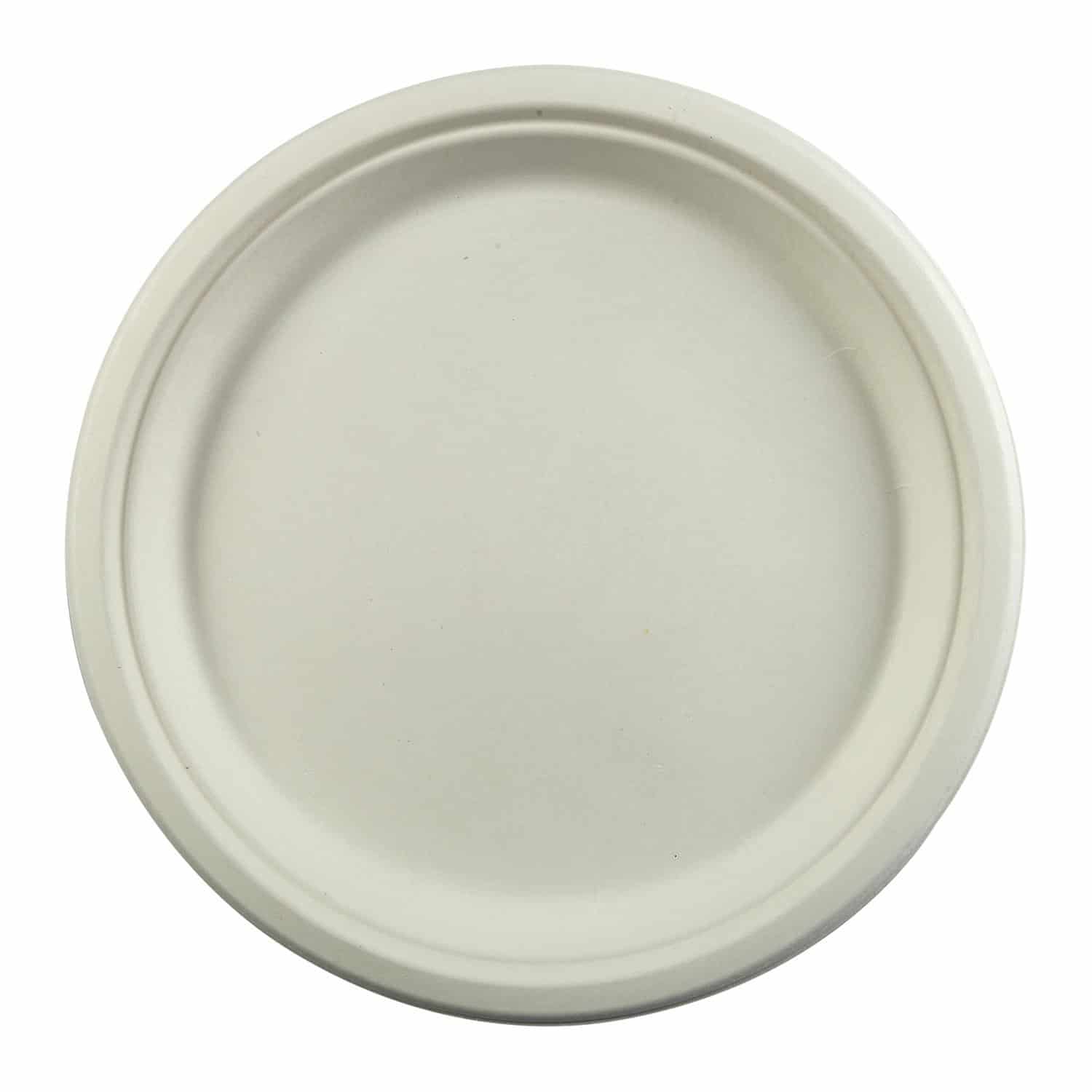
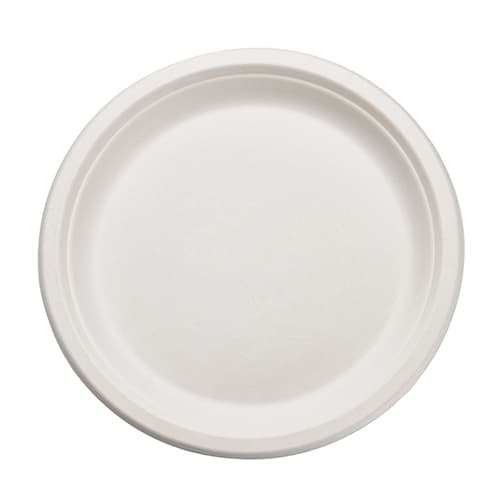
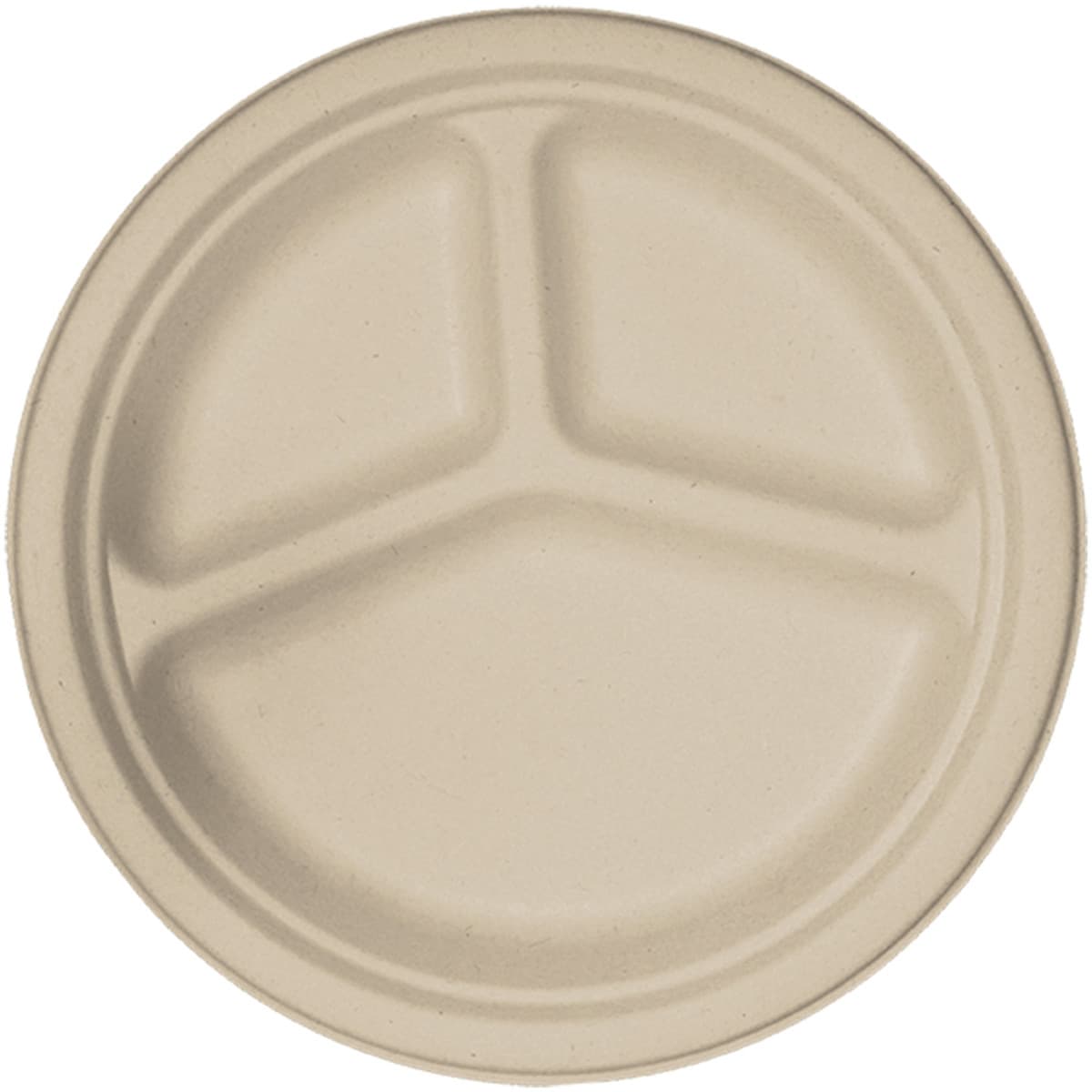
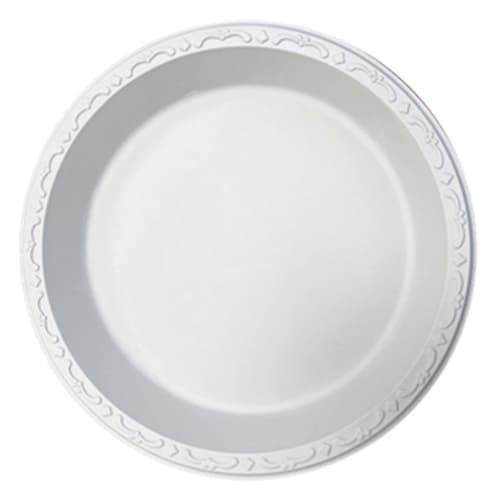
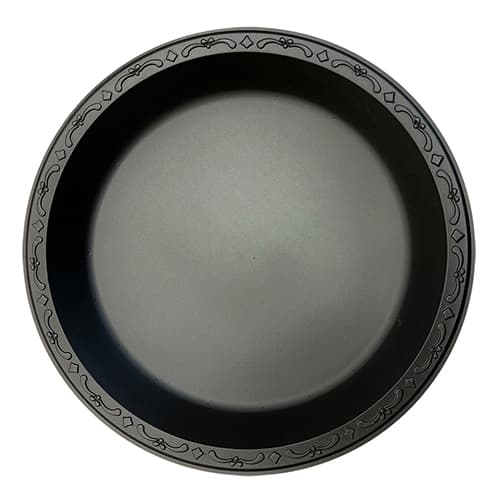
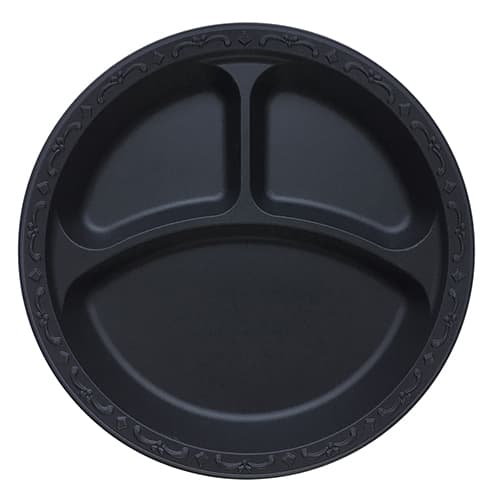
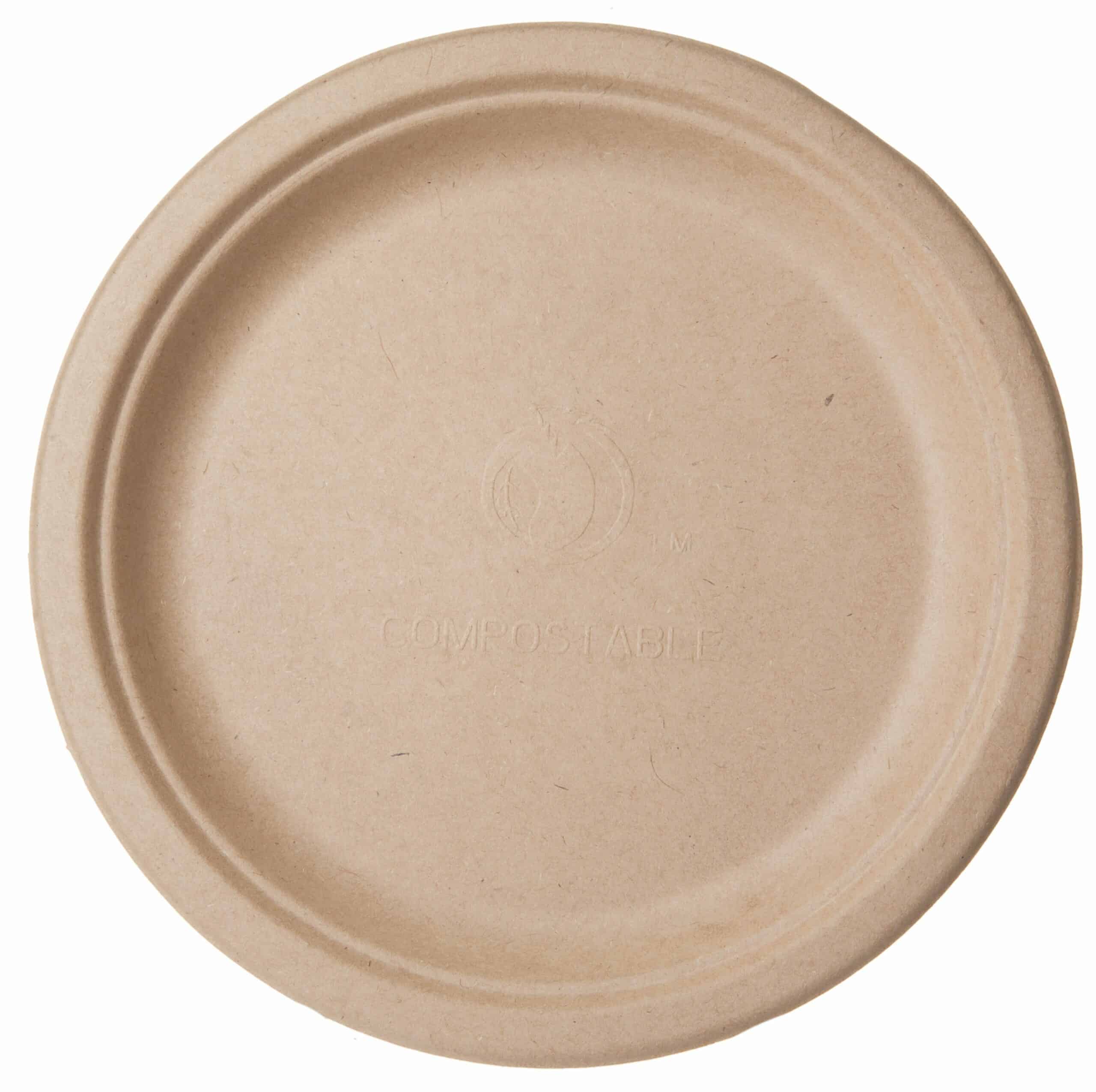
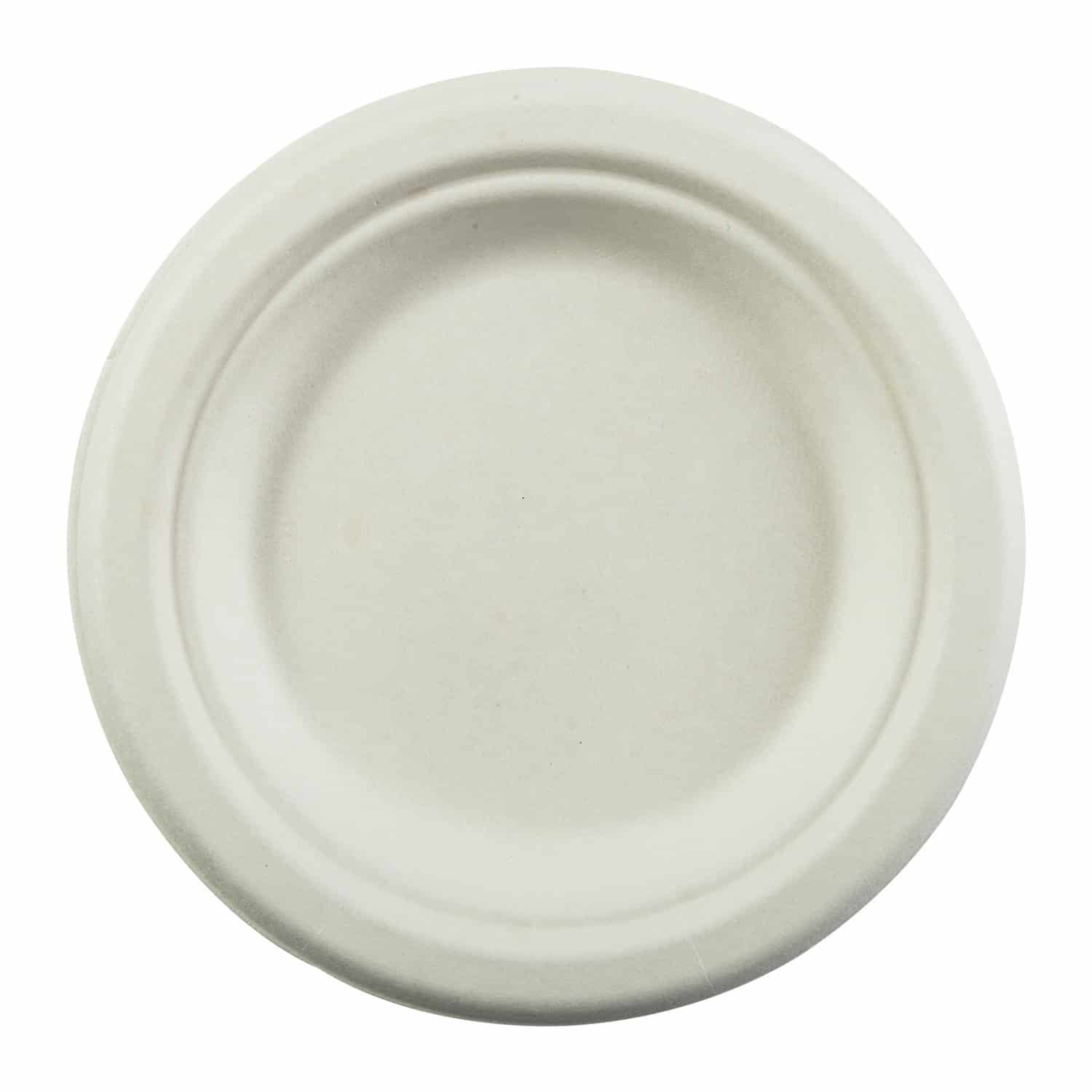
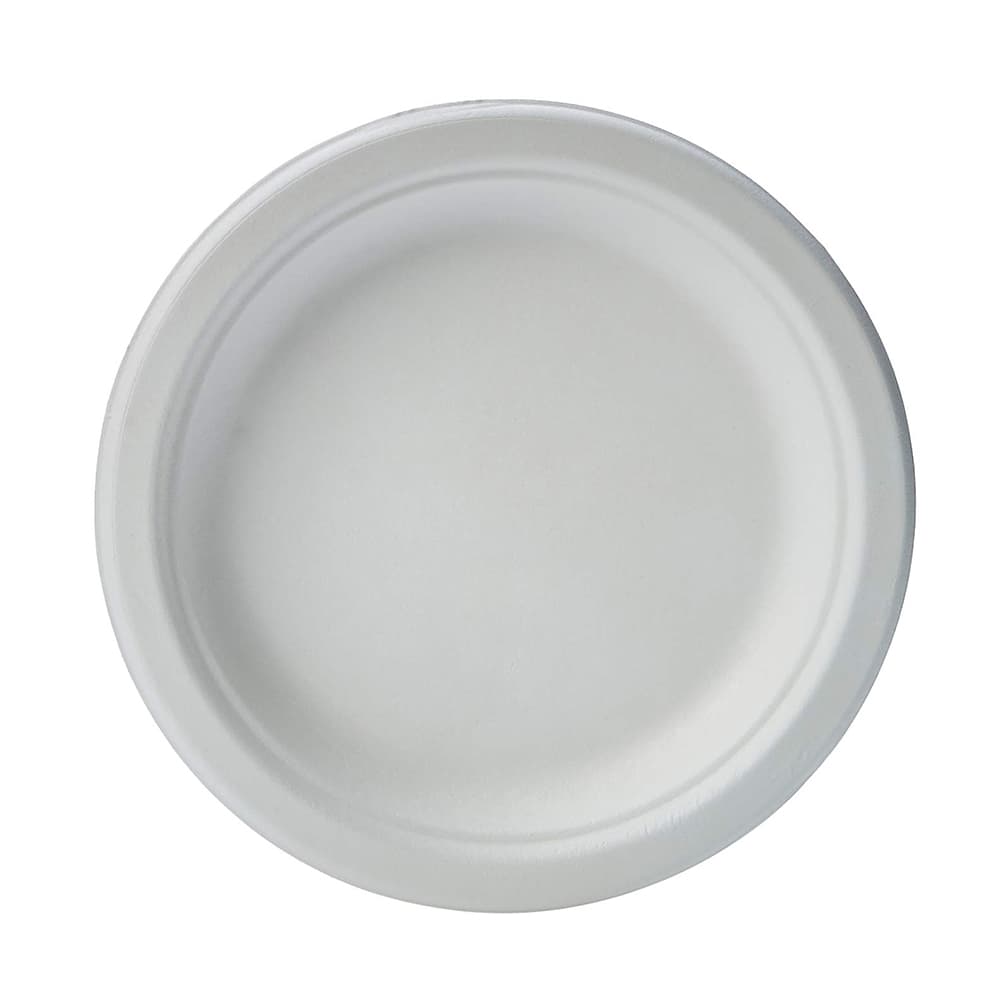
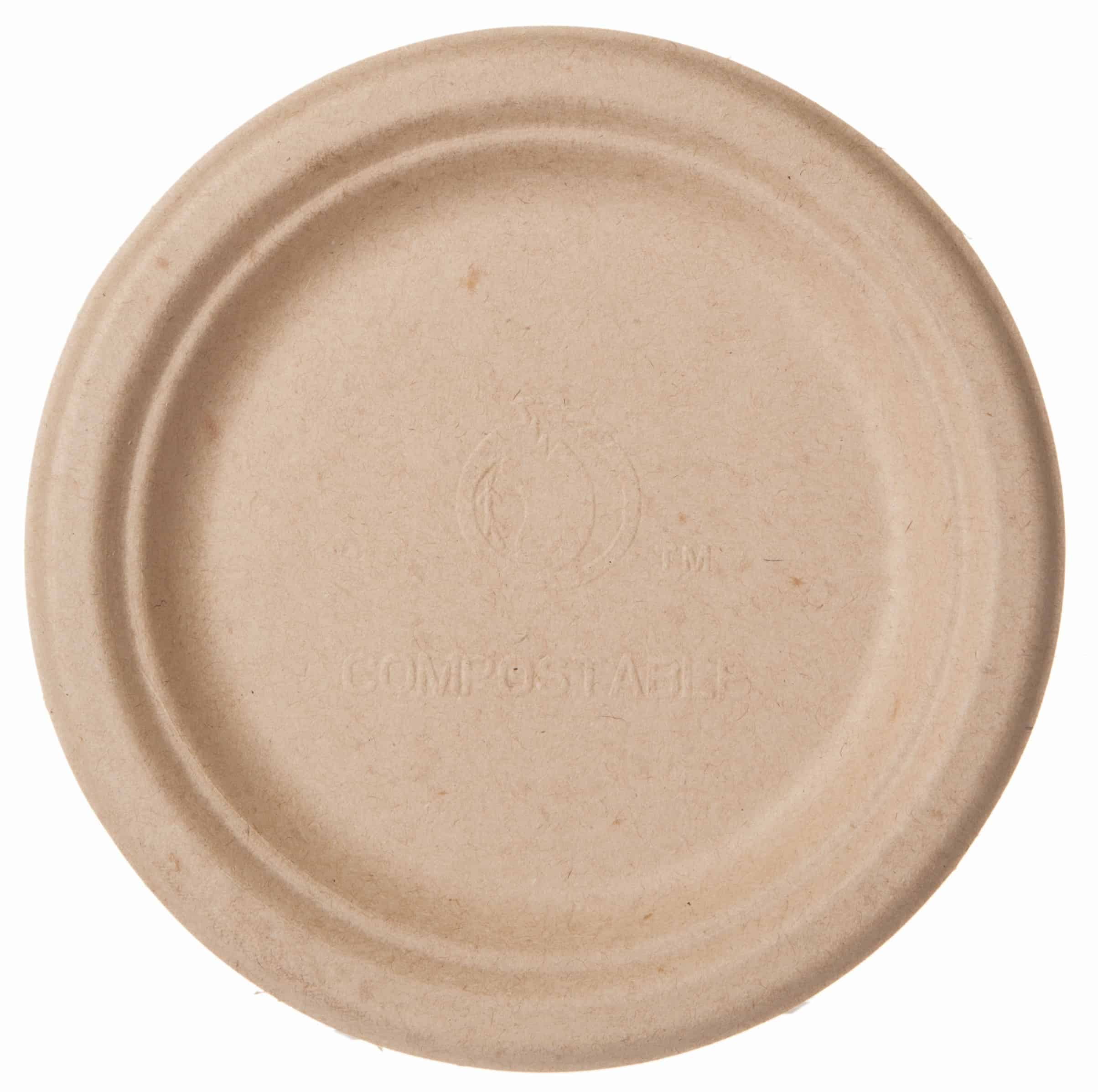
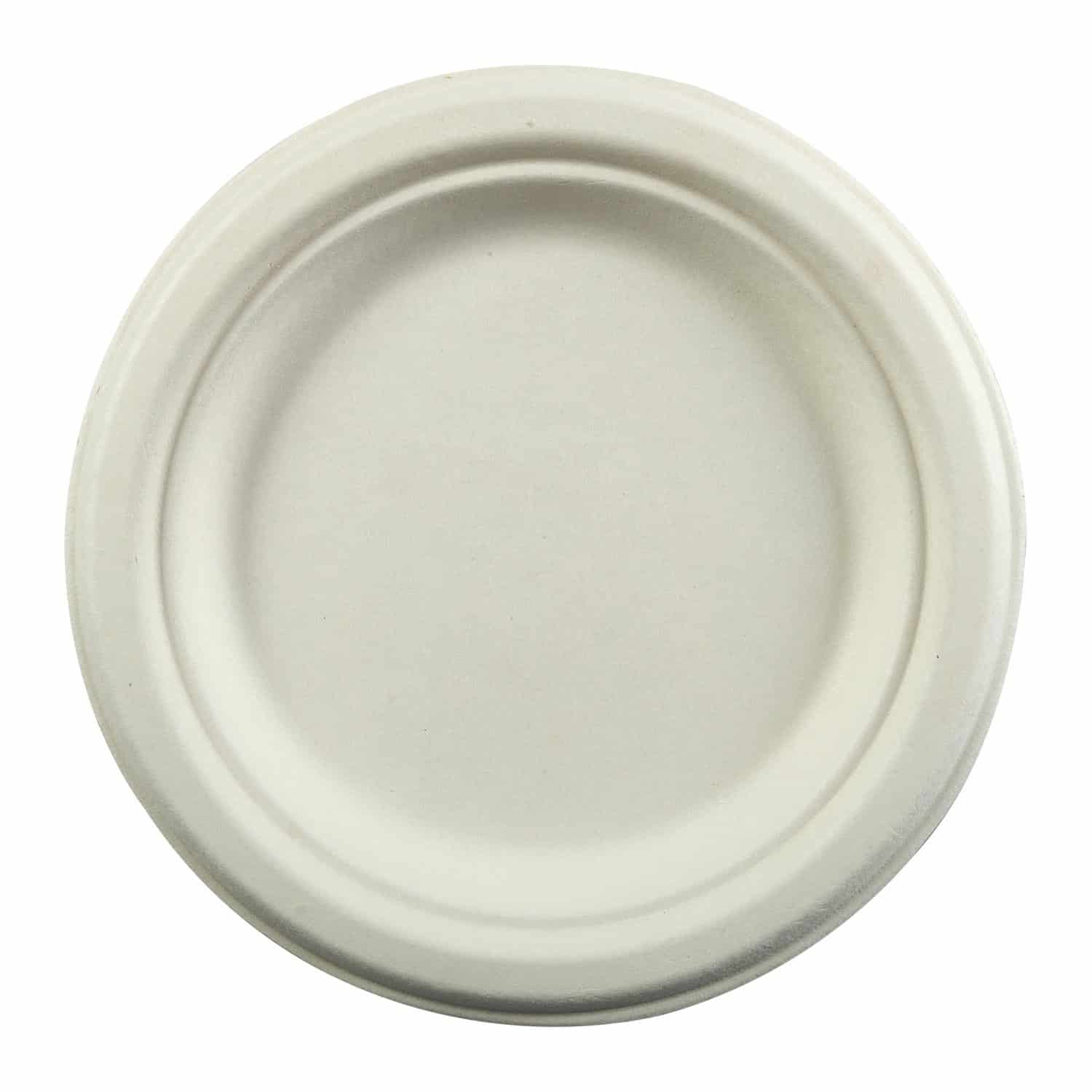
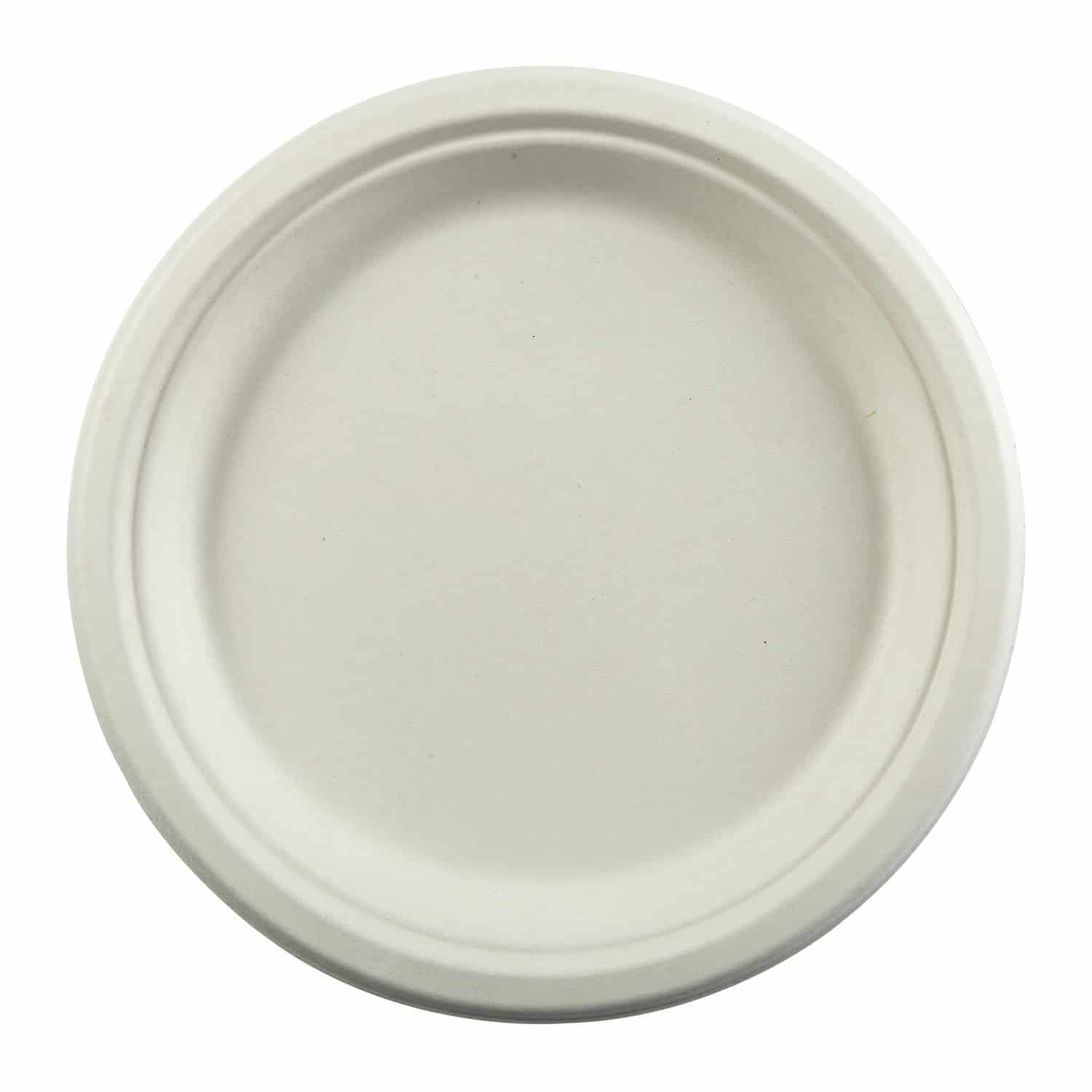
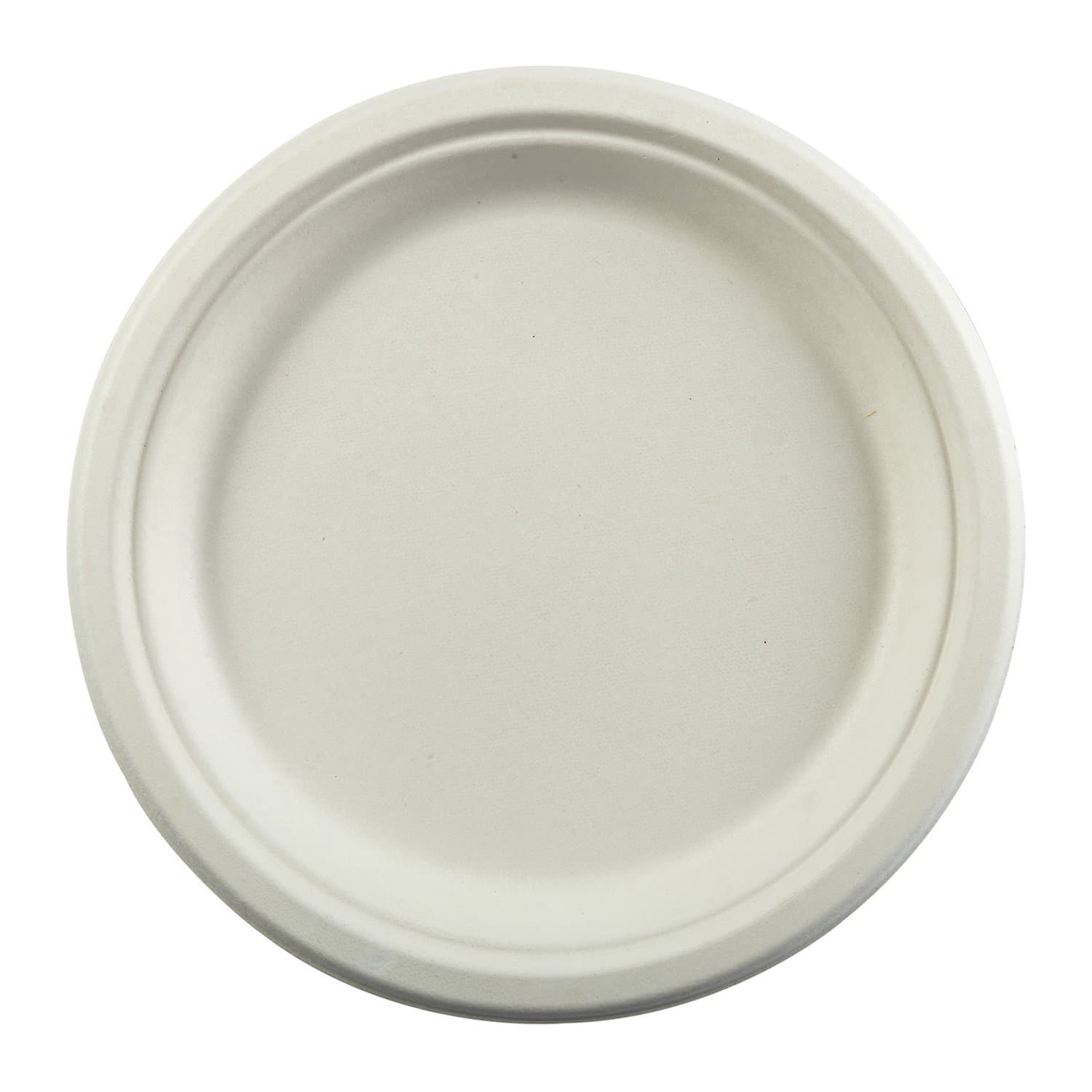
Bare by Solo 9PFBR3R 9" Round PFAS Free Compostable Sugarcane Plate
Related Categories
Related Glossary Terms
Fiber Plates: Bagasse & Molded Plant-Based
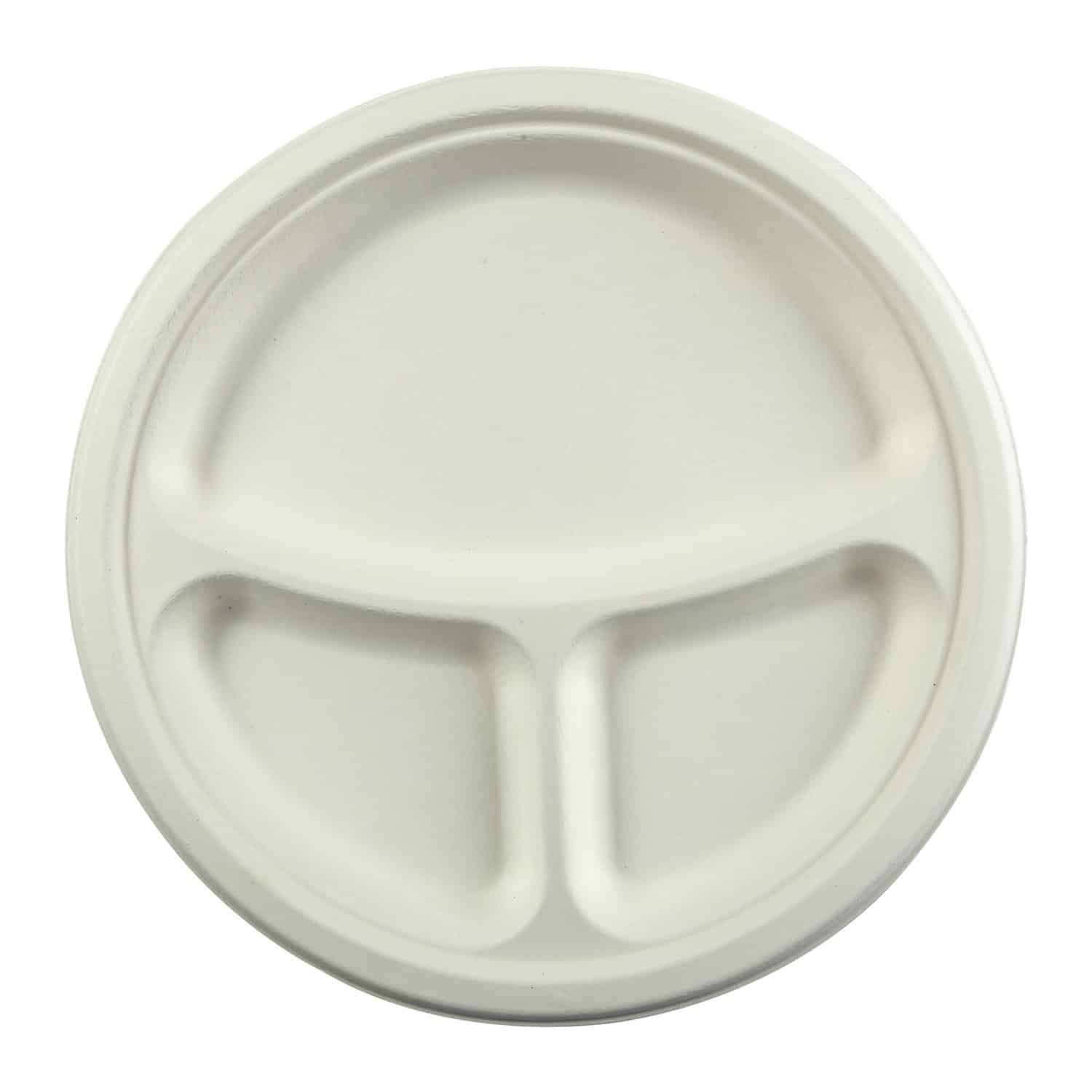
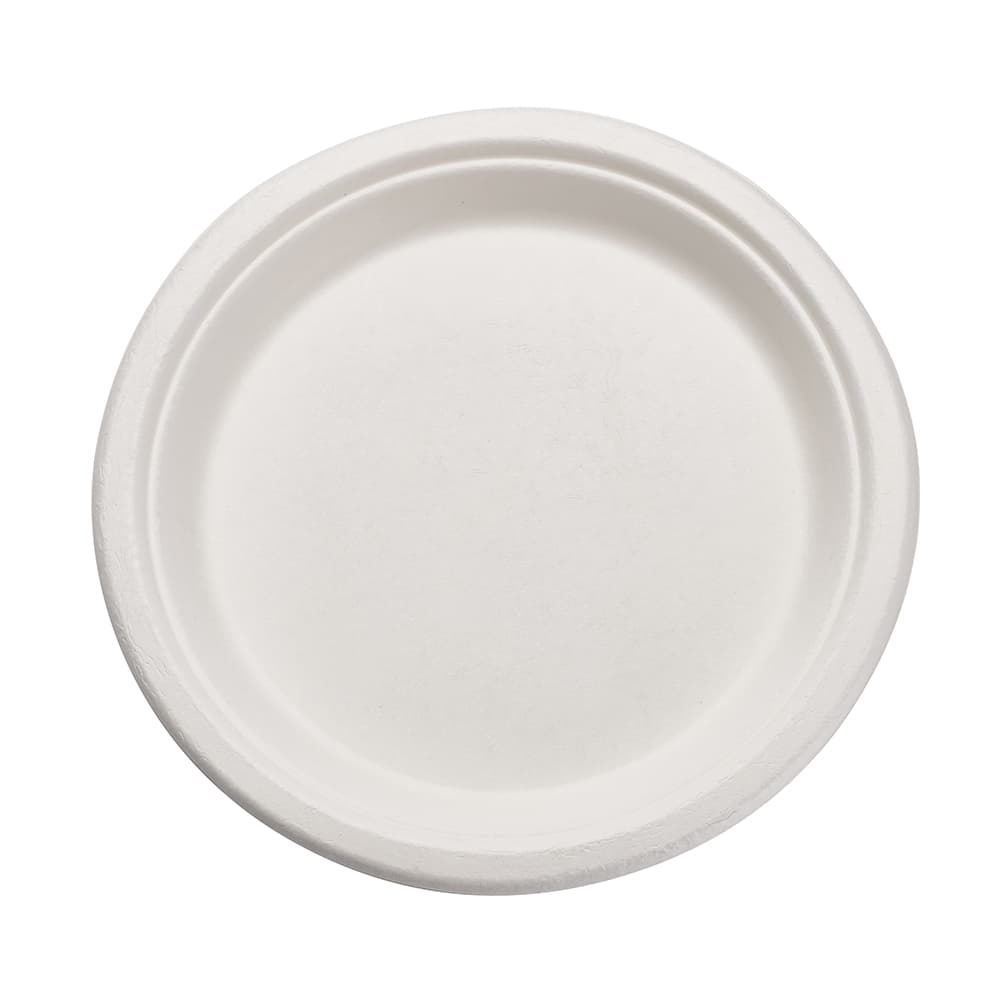
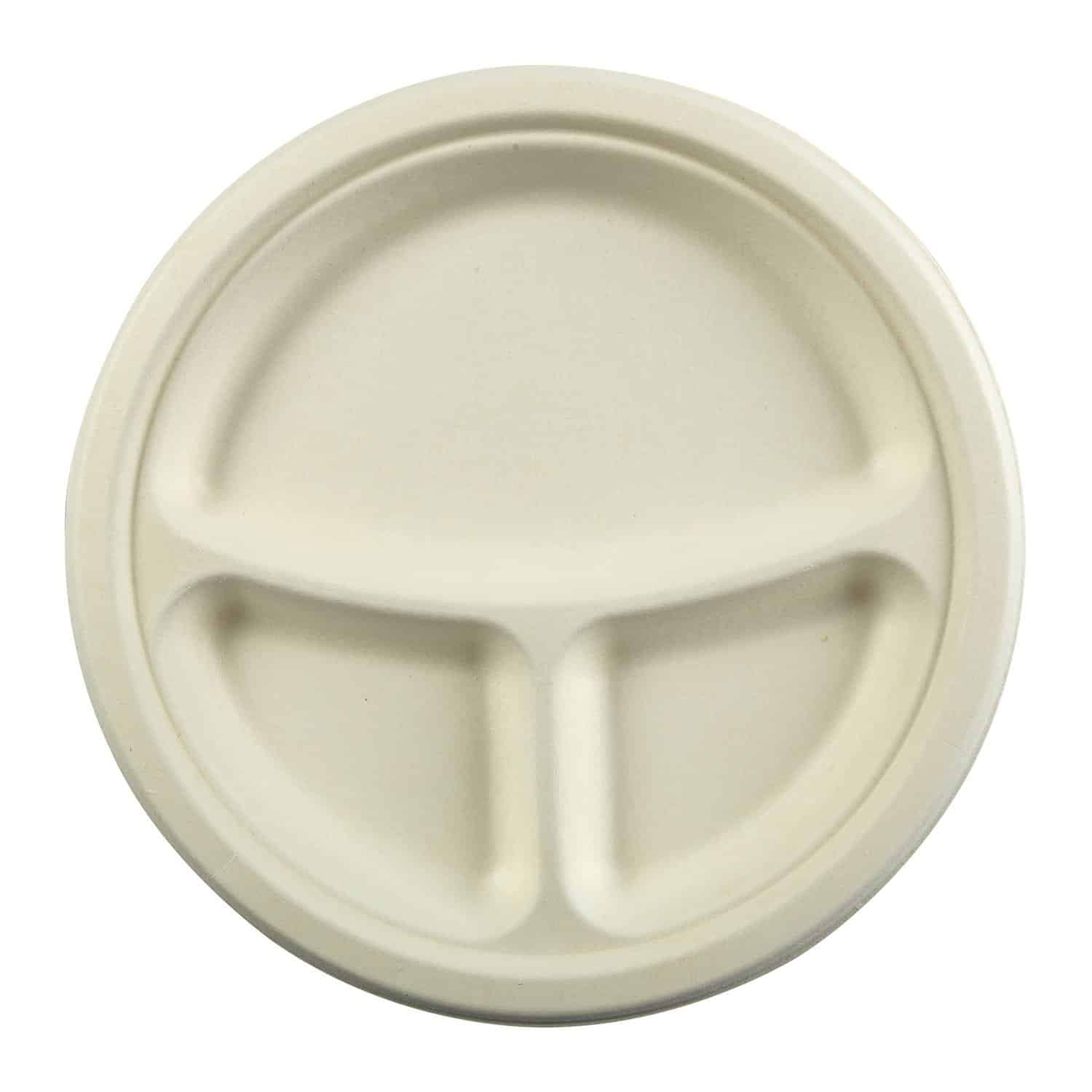
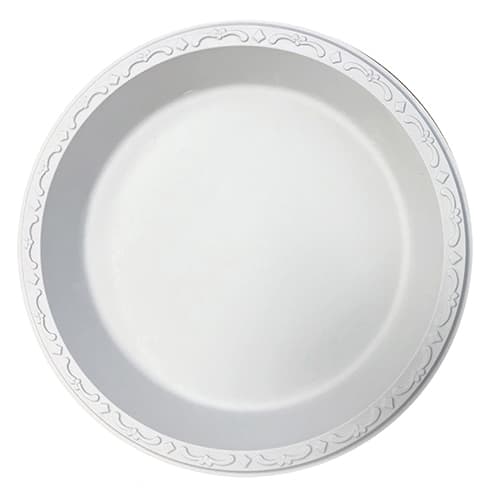
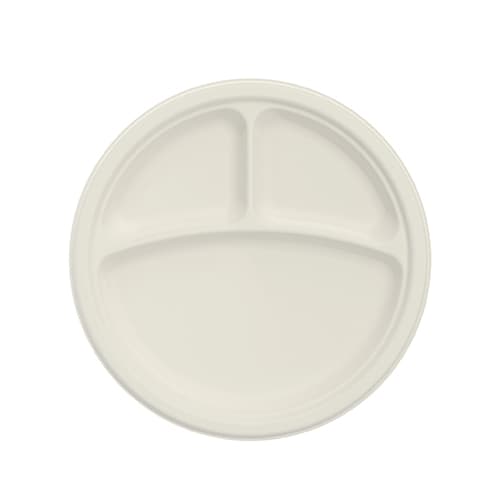
Fiber plates are molded from sugarcane bagasse and other plant fibers — a sturdy, microwave-safe alternative to foam for restaurants, caterers, and events. Sizes run 6-inch appetizer through 12-inch dinner, plus compartment plates that keep sides separate, and the fiber holds up to hot, wet, and oily foods without going soggy. Compostable options are available for operations that separate organics. Diameter, compartment layout, and case pack are listed so plates match the menu and the service format.
Material Options and Sustainability
Fiber plates are typically manufactured from sugarcane bagasse (the fibrous residue left after juice extraction), bamboo, or wheat straw—all rapidly renewable resources. These bulk fiber plates for restaurants are compostable in commercial facilities and break down significantly faster than traditional plastic or Styrofoam alternatives. The natural fibers create sturdy, microwave-safe plates that handle hot, cold, wet, and oily foods without becoming soggy or losing structural integrity.
Size Selection for Different Service Needs
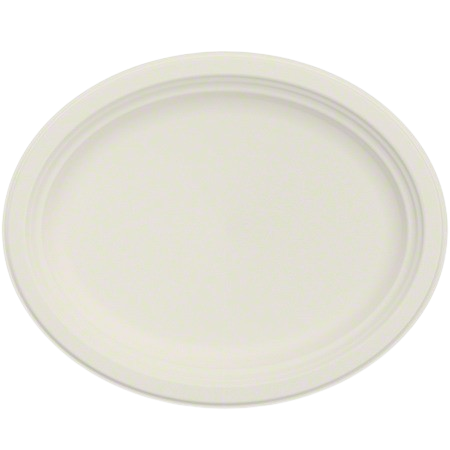
Fiber plates range from 6-inch and 7-inch options ideal for appetizers, desserts, and side dishes, to 9-inch and 10-inch plates suited for lunch portions and casual dining. The 10.5-inch and 12-inch plates accommodate full dinner entrées and family-style servings, while specialty plates address unique presentation requirements. Selecting the appropriate size reduces food waste, controls portion consistency, and enhances the dining experience across different service formats.
Choosing the Right Fiber Plates
Consider these factors when selecting wholesale fiber plates for your food service operation:
- Match Plate Size to Menu Items: Align plate dimensions with specific dishes—smaller plates for appetizers and desserts, medium sizes for sandwiches and salads, and larger plates for entrees with sides.
- Test for Food Compatibility: Verify that fiber plates maintain their structure with your specific menu items, especially those with high moisture content, heavy sauces, or extended holding times.
- Consider Compartment Options: Specialty fiber plates with dividers work well for combination meals, keeping different food items separated and preventing flavor crossover.
- Verify Composting Infrastructure: Confirm access to commercial composting facilities in your area to maximize the environmental benefits of using compostable fiber plates.
- Calculate Volume Requirements: Estimate daily and weekly plate usage across all sizes to ensure adequate bulk inventory without excessive storage demands or product aging.