Bagasse Fiber
Bagasse fiber is the fibrous cellulose-based residue remaining after extracting juice from sugarcane stalks, which is molded under high heat and pressure to create compostable food packaging products.
Bagasse fiber is the fibrous residue left after extracting juice from sugarcane stalks, composed of approximately 50% cellulose, hemicellulose, and lignin. This renewable agricultural byproduct is transformed into durable food packaging through a high-heat molding process, offering restaurants and foodservice operators a compostable alternative to plastic and foam containers.
What Makes Bagasse Fiber Suitable for Food Packaging?
The natural fiber structure of bagasse provides inherent strength and heat resistance without chemical additives. Products withstand microwave heating and oven temperatures up to 200°C, making them practical for hot meals, fried foods, and reheating applications.
The material’s porous structure offers two key functional benefits: oil resistance that prevents grease seepage, and moisture absorption that promotes breathability for produce storage. These properties eliminate the need for plastic linings in many applications, though some manufacturers add PLA coatings for enhanced liquid barriers.
How Is Bagasse Fiber Manufactured Into Packaging?
Production begins with drying bagasse to under 10% moisture content, then pulping it into a slurry. Manufacturers mold this slurry using high heat (356-392°F) and pressure (290-725 psi) to create plates, bowls, trays, and clamshells. After cooling and trimming, products are ready for food contact without additional processing.
The efficiency of this process is notable: 1.5 tons of sugarcane pulp produces 1 ton of bagasse paper, compared to 5 tons of wood required for conventional paper. With approximately 100 million tons of bagasse generated annually from 1.2 billion tons of sugarcane, the supply chain supports large-scale production without additional farmland or water usage.
What Certifications Should Bagasse Fiber Packaging Have?
For U.S. operators, look for BPI certification and ASTM D6400 compliance—many commercial composting facilities require these standards. The ASTM D6868 standard applies specifically to compostable coatings on fiber products.
European markets require EN 13432 certification, while TÜV Austria OK Compost verifies both industrial and home compostability. For food safety, verify FDA compliance (U.S.) or LFGB standards (EU) to ensure products meet food contact regulations without leaching chemicals.
How Does Bagasse Fiber Decompose?
Bagasse biodegrades within 60-90 days in commercial composting facilities and 30-90 days in natural environments. Unlike PLA, which requires industrial temperatures of 58°C, bagasse can decompose in home composting at room temperature (25±5°C).
The composted material breaks down into nutrient-rich fertilizer containing nitrogen, potassium, phosphorus, and calcium—leaving zero microplastics. This complete biodegradation distinguishes bagasse from plastic-coated paper products that contaminate compost streams.
What Are the Environmental Benefits of Bagasse Fiber?
Bagasse packaging demonstrates 50-70% lower environmental impact than single-use plastic containers across climate change, water use, and human health metrics. The material reduces wood usage by more than 52% compared to traditional paper alternatives, supporting forest conservation.
Since bagasse uses agricultural waste that would otherwise be burned or discarded, it supports circular economy principles without requiring additional land or water resources. The material is plastic-free, elemental chlorine-free, and contains no PFAS when properly processed, addressing growing regulatory restrictions on forever chemicals in food packaging.
What Products Are Available in Bagasse Fiber?
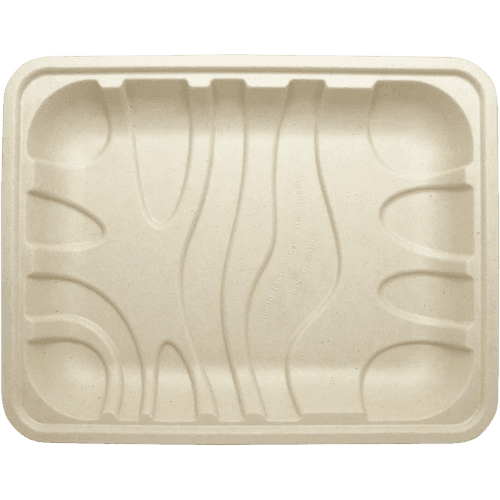
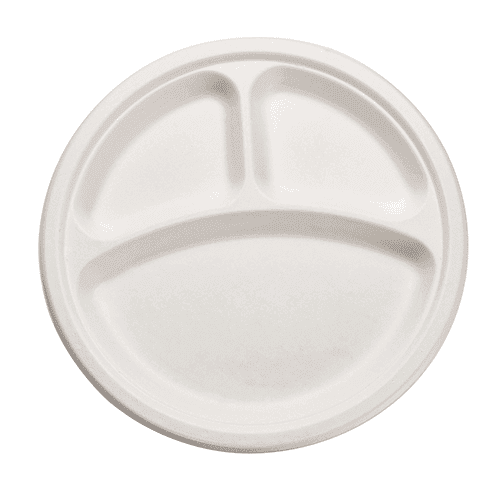
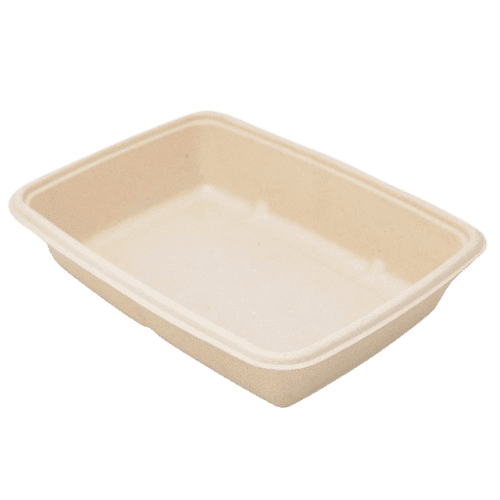
The material’s moldability enables a wide range of foodservice packaging. Fiber plates and fiber containers serve hot entrees without softening or leaking. Fiber trays provide structural strength for multi-compartment meals and catering applications.
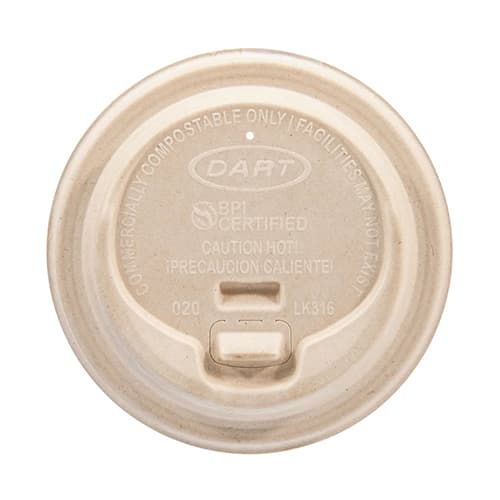
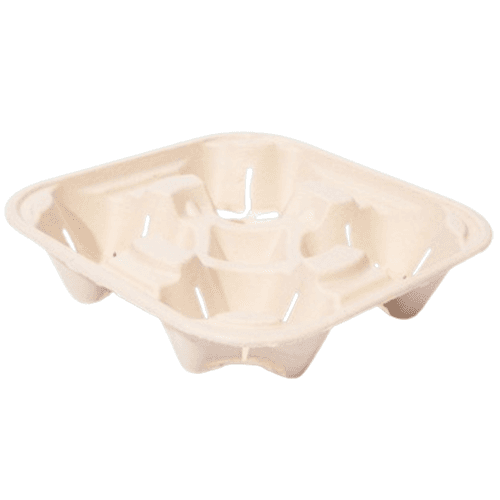
Specialized products include beverage carriers like the Better Earth® 4-Cup Drink Carrier, demonstrating bagasse’s ability to support weight while resisting heat. The Dart reclosable bagasse lid shows the material’s versatility for functional components beyond basic containers.
How Does Bagasse Fiber Compare to Other Compostable Materials?
Bagasse offers broader composting compatibility than PLA, decomposing in home, industrial, and natural environments. It provides better heat resistance than paper and superior grease resistance without plastic coatings. The natural fiber structure also eliminates the petroleum-based inputs required for PLA production.
Compared to molded fiber from recycled paper, bagasse uses virgin agricultural byproduct rather than post-consumer waste, ensuring consistent food-contact safety. The material’s natural oils provide inherent grease resistance that recycled paper products typically lack without added barriers.
What Should Operators Look for When Buying Bagasse Products?
Verify certification labels match your local composting infrastructure—many facilities accept BPI-certified products but reject items labeled only “biodegradable.” Check whether products are unlined or have PLA linings, as this affects composting time and facility acceptance.
Test products with your typical menu items, especially high-grease foods. Products like the 32 oz Fiber Burrito Bowl demonstrate oil resistance, but performance varies by manufacturing process. Confirm microwave and oven temperature ratings align with your holding and reheating protocols.
Key Properties
Common Uses
Bagasse fiber serves foodservice operations requiring compostable alternatives to plastic and foam. Plates, bowls, and clamshells accommodate hot meals, fried foods, and dishes with high oil content. Trays and portion cups provide portion control and multi-compartment serving. Beverage carriers and lids demonstrate the material's structural strength for transport applications. The material suits quick-service restaurants, catering operations, cafeterias, and food trucks seeking certified compostable packaging that meets municipal waste diversion requirements.
Sustainability
Bagasse fiber uses agricultural waste that would otherwise be burned or landfilled, diverting approximately 100 million tons annually from waste streams. Production requires no additional farmland or water, reducing deforestation by 52% compared to wood-based paper products. The material demonstrates 50-70% lower environmental impact than single-use plastics across climate change, water use, and human health metrics. When composted, bagasse breaks down into nutrient-rich fertilizer containing nitrogen, potassium, phosphorus, and calcium—without leaving microplastics. GHG emissions during production and decomposition are significantly lower than fossil-based plastics. The material's ability to decompose in home composting systems at room temperature provides end-of-life flexibility beyond industrial facilities, supporting circular economy principles in communities without commercial composting infrastructure.