

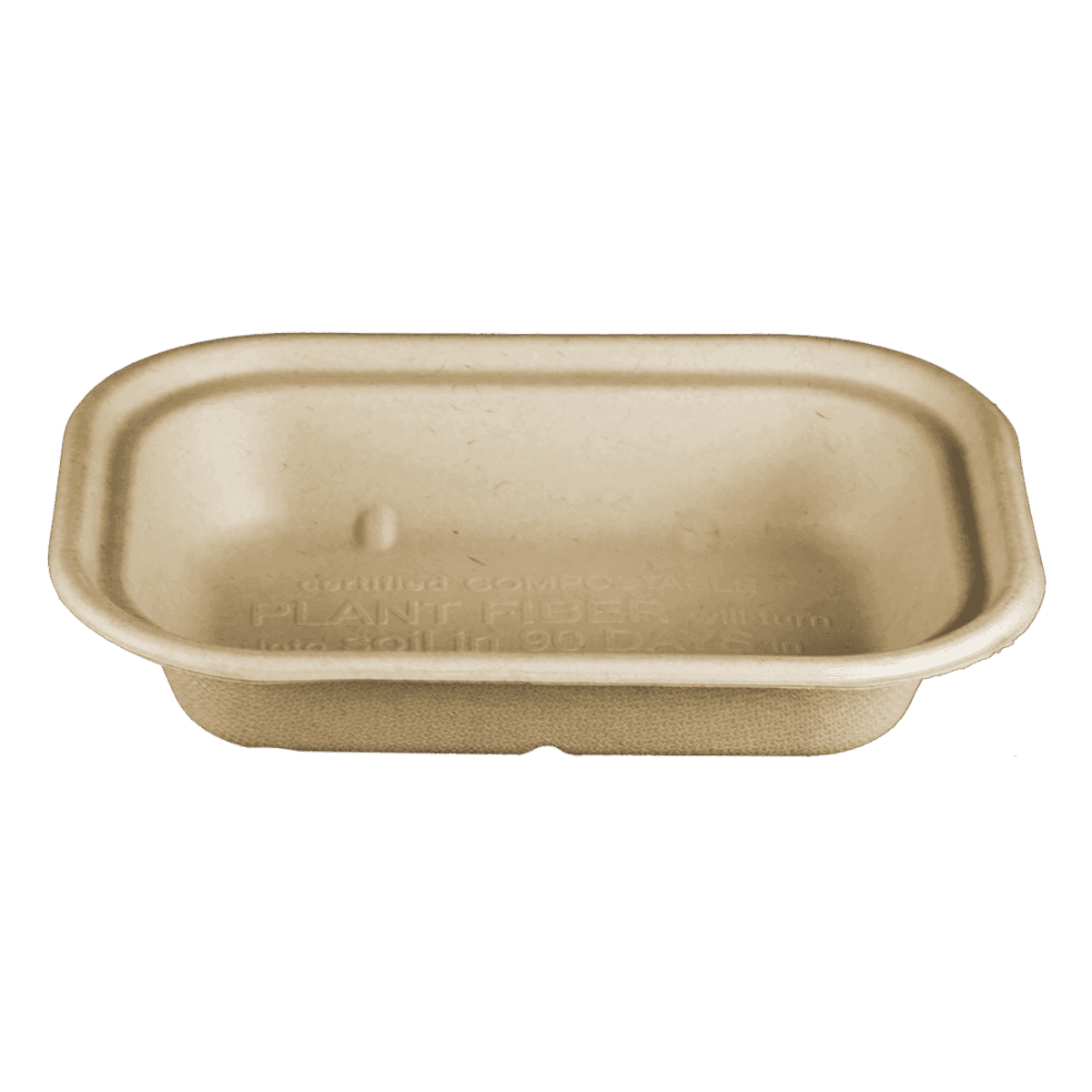
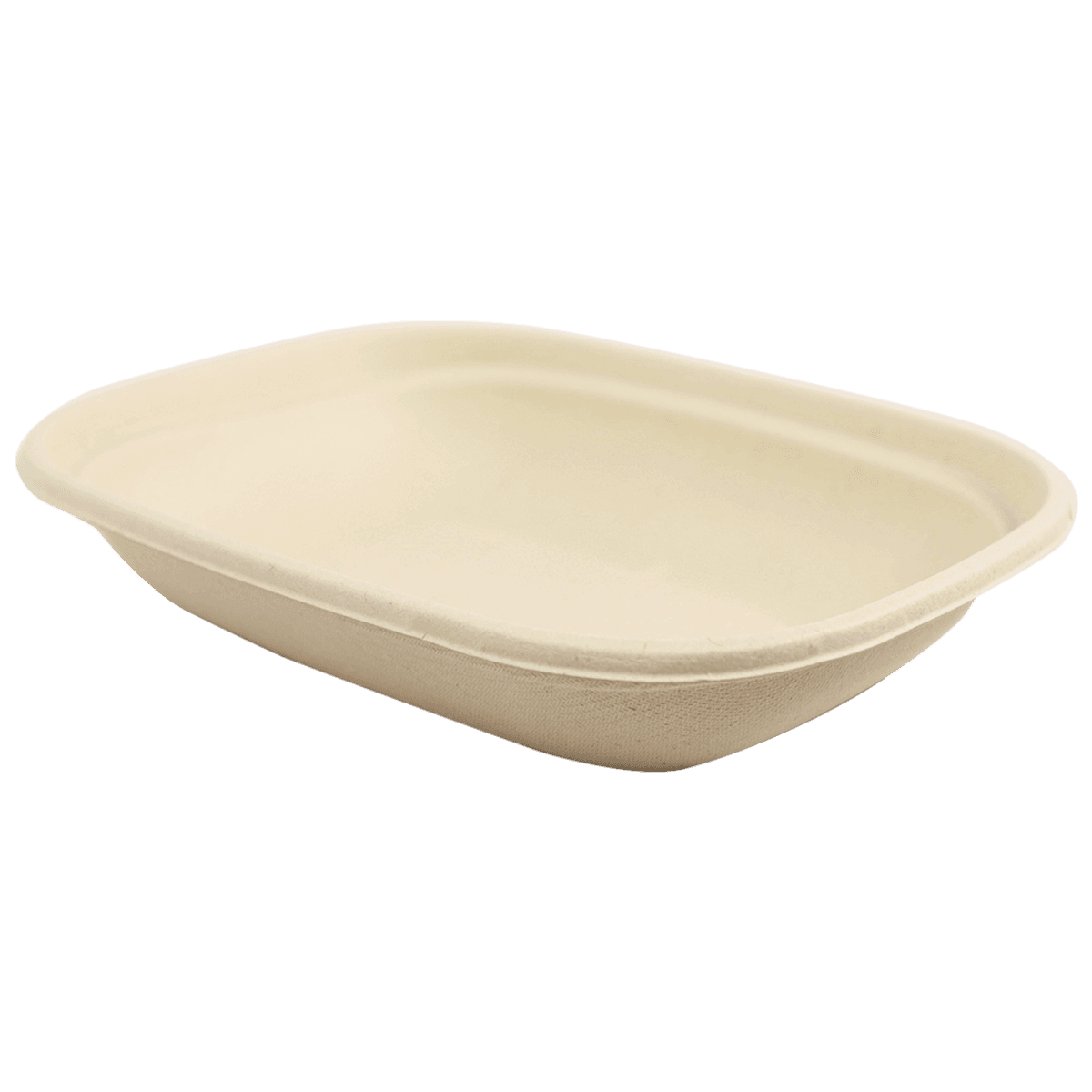
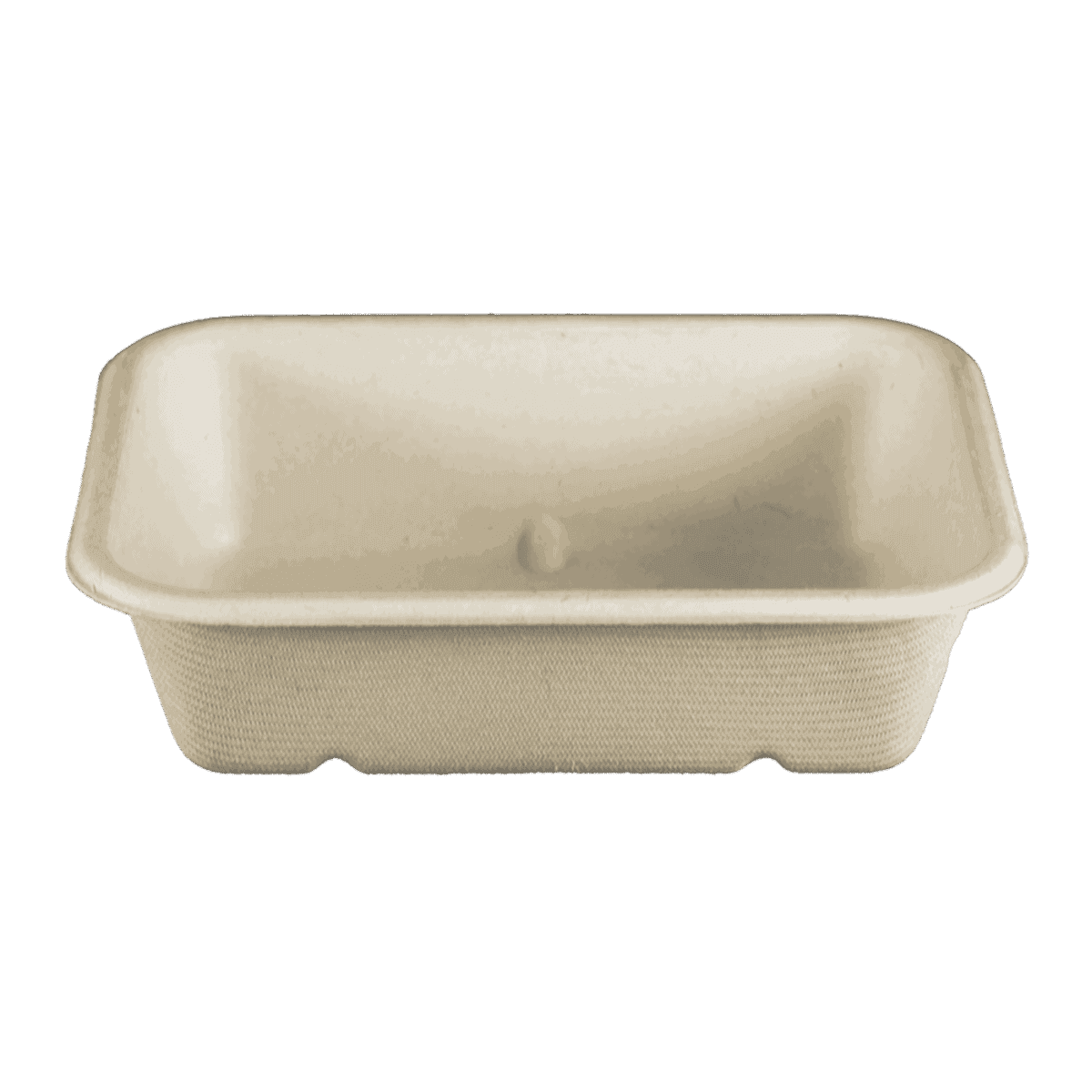
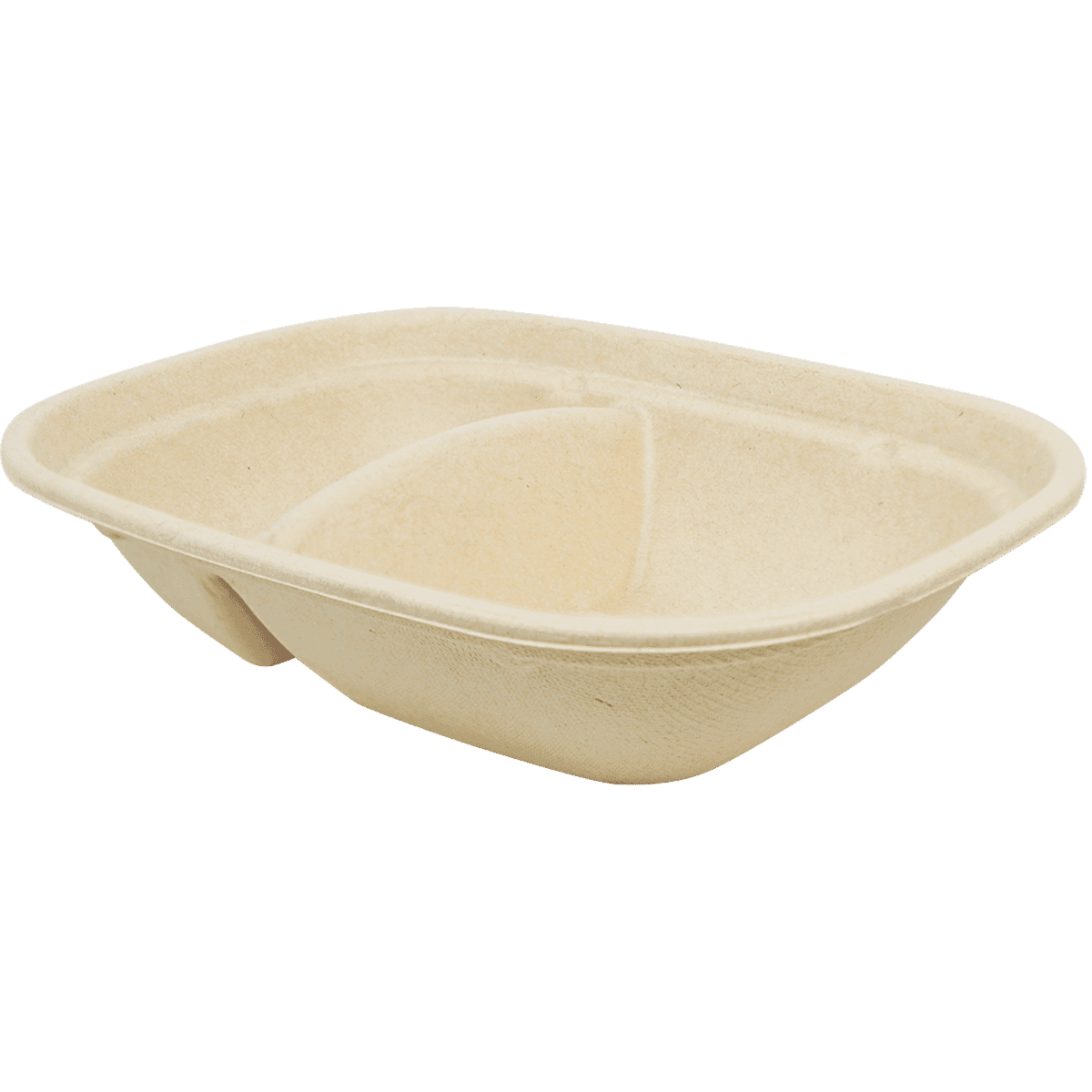
24 oz Fiber Food Container, 2-Compartment
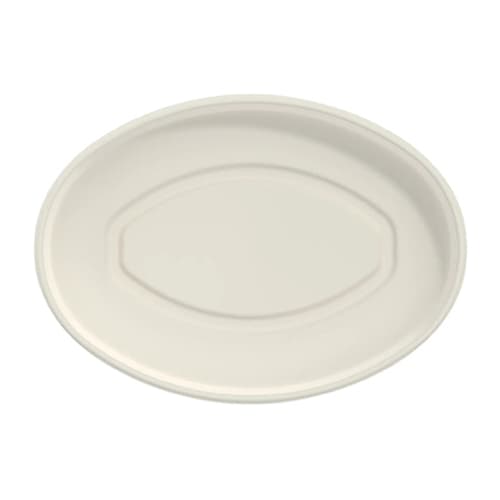
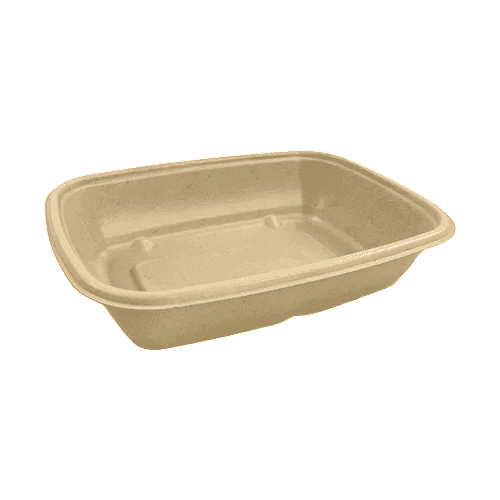
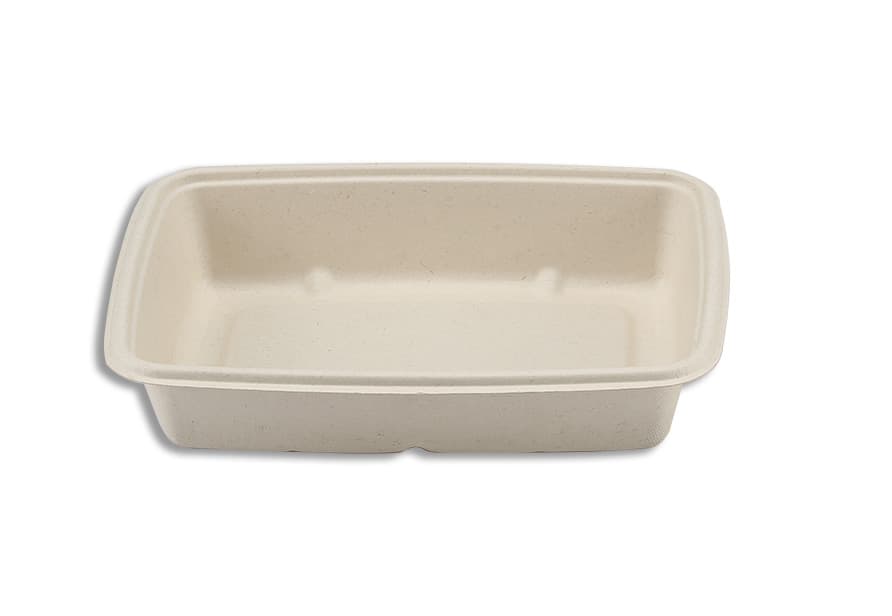
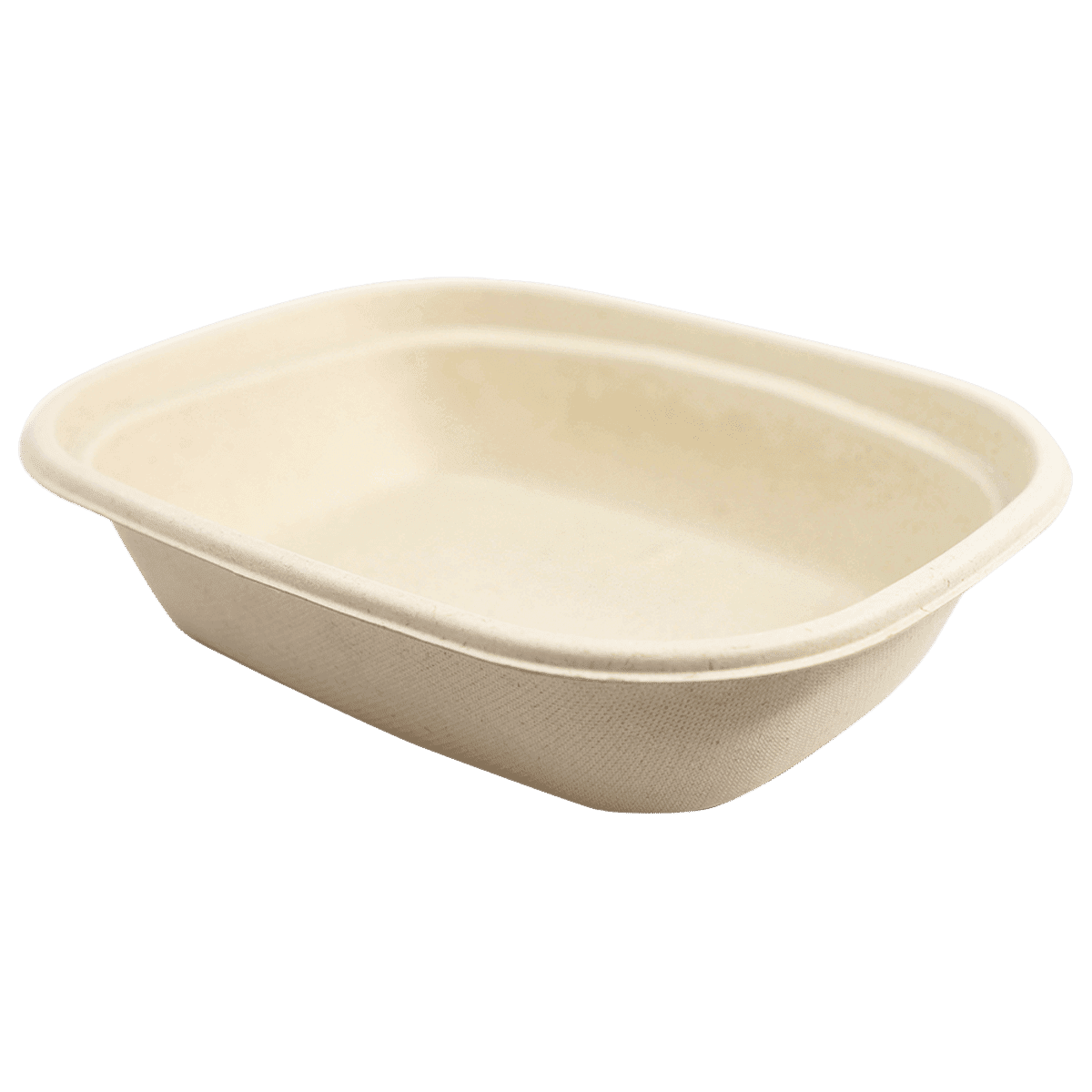
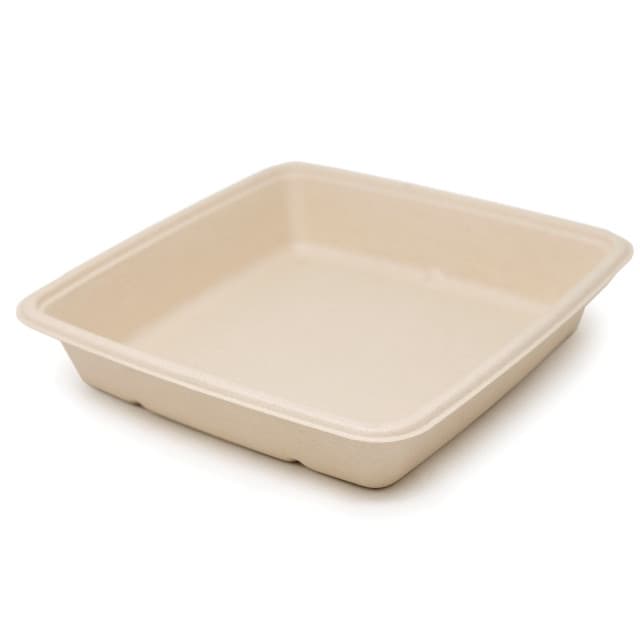
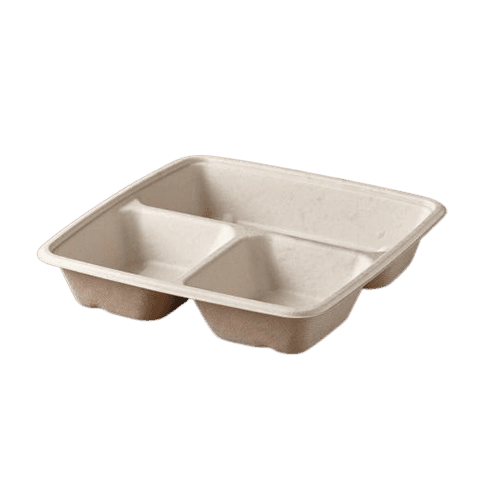
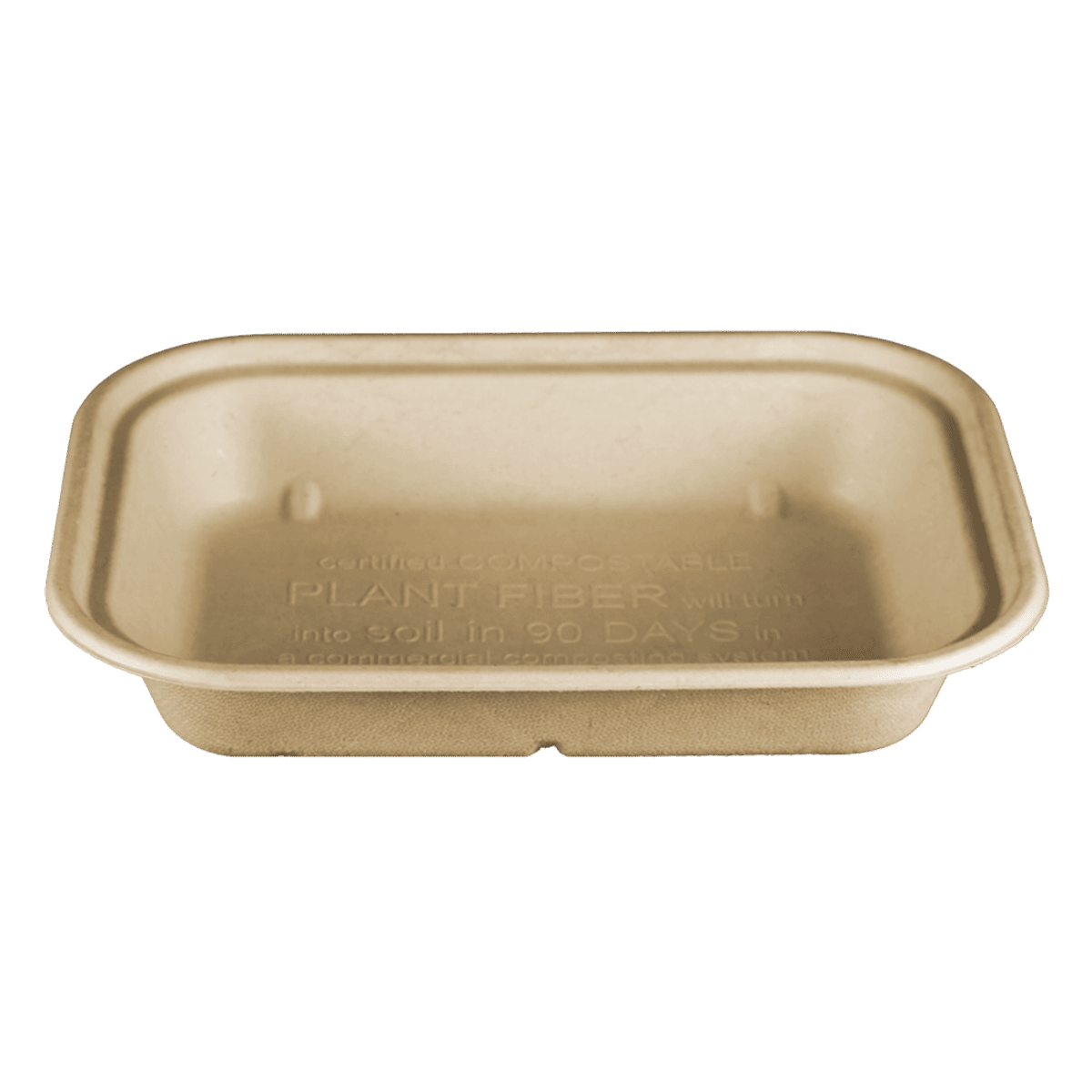
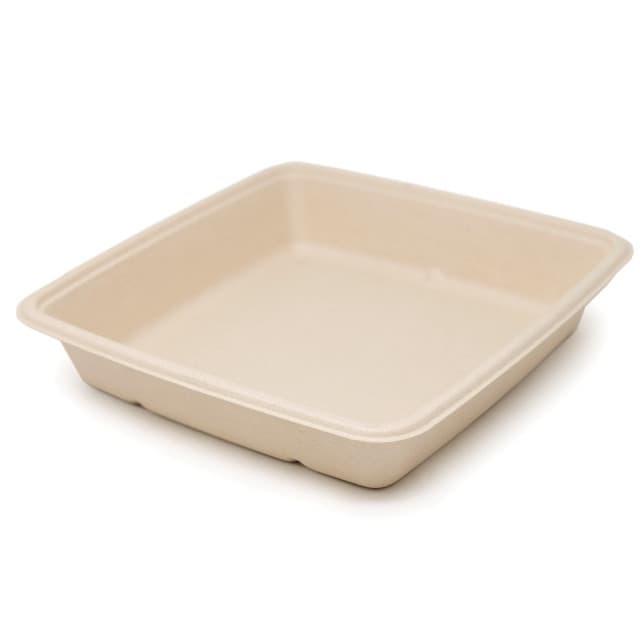
36 oz Fiber Food Container, 1-Compartment

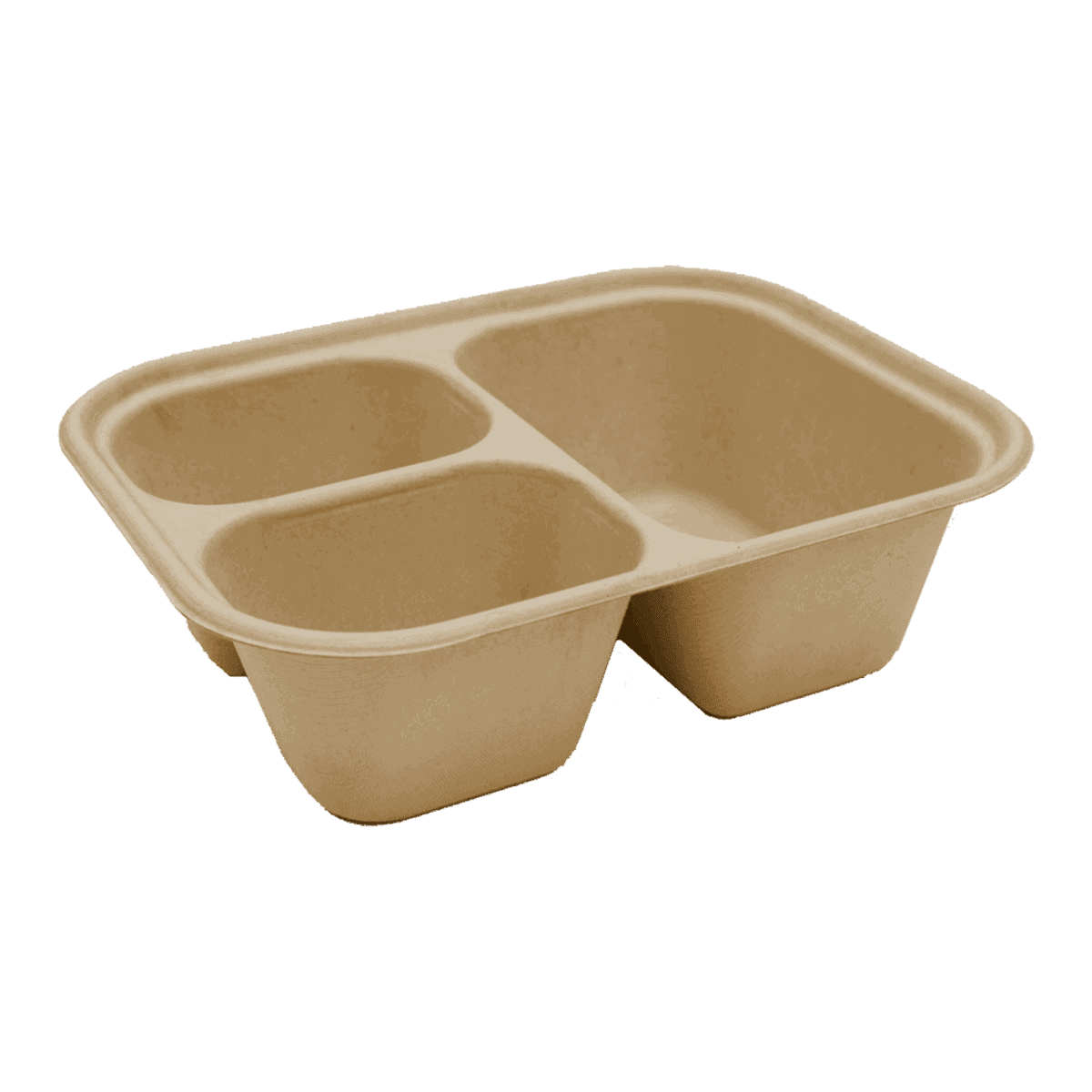
48 oz Fiber Food Container, 3-Compartment
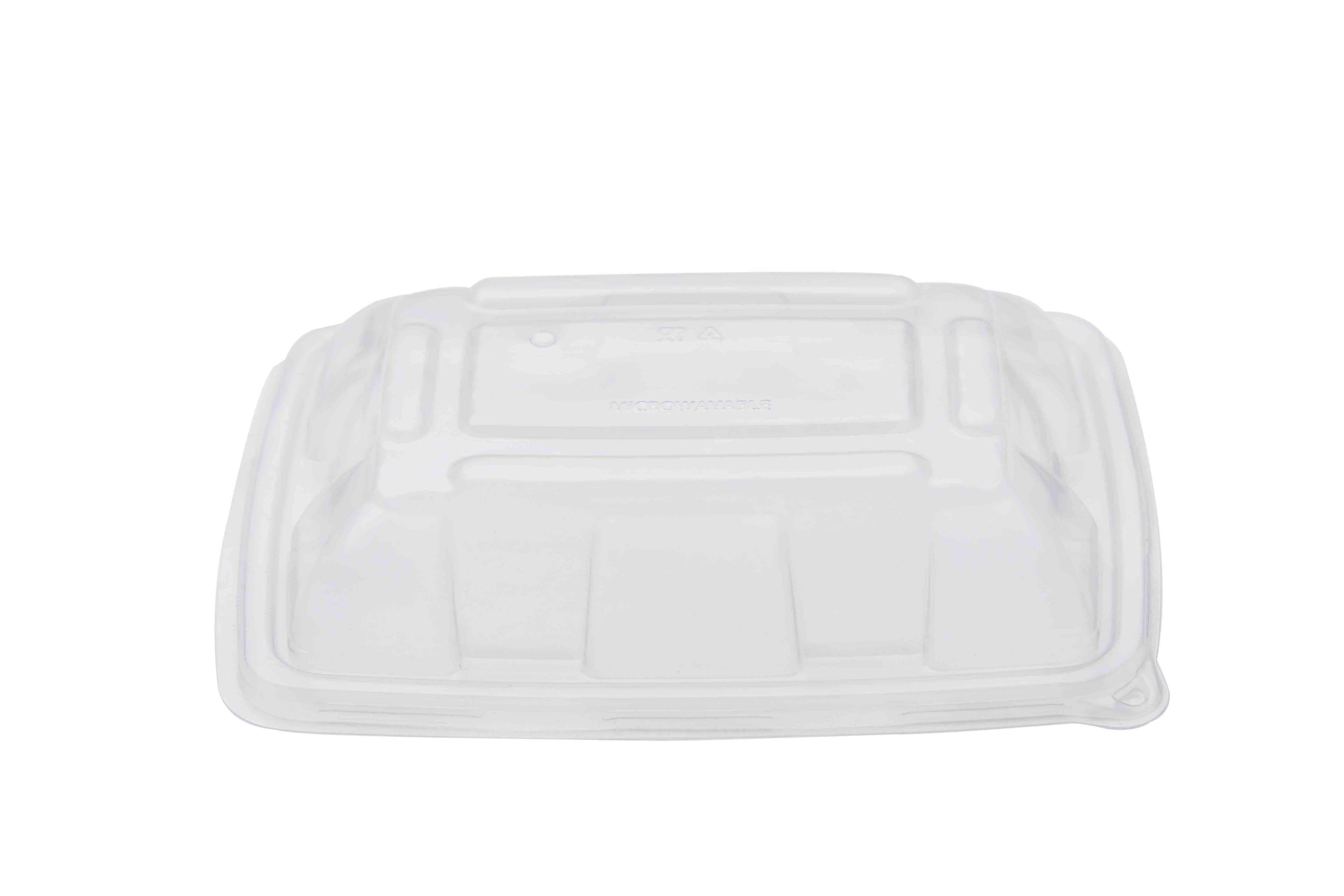
Clear PLA Lid - fits 17 oz Fiber Food Container
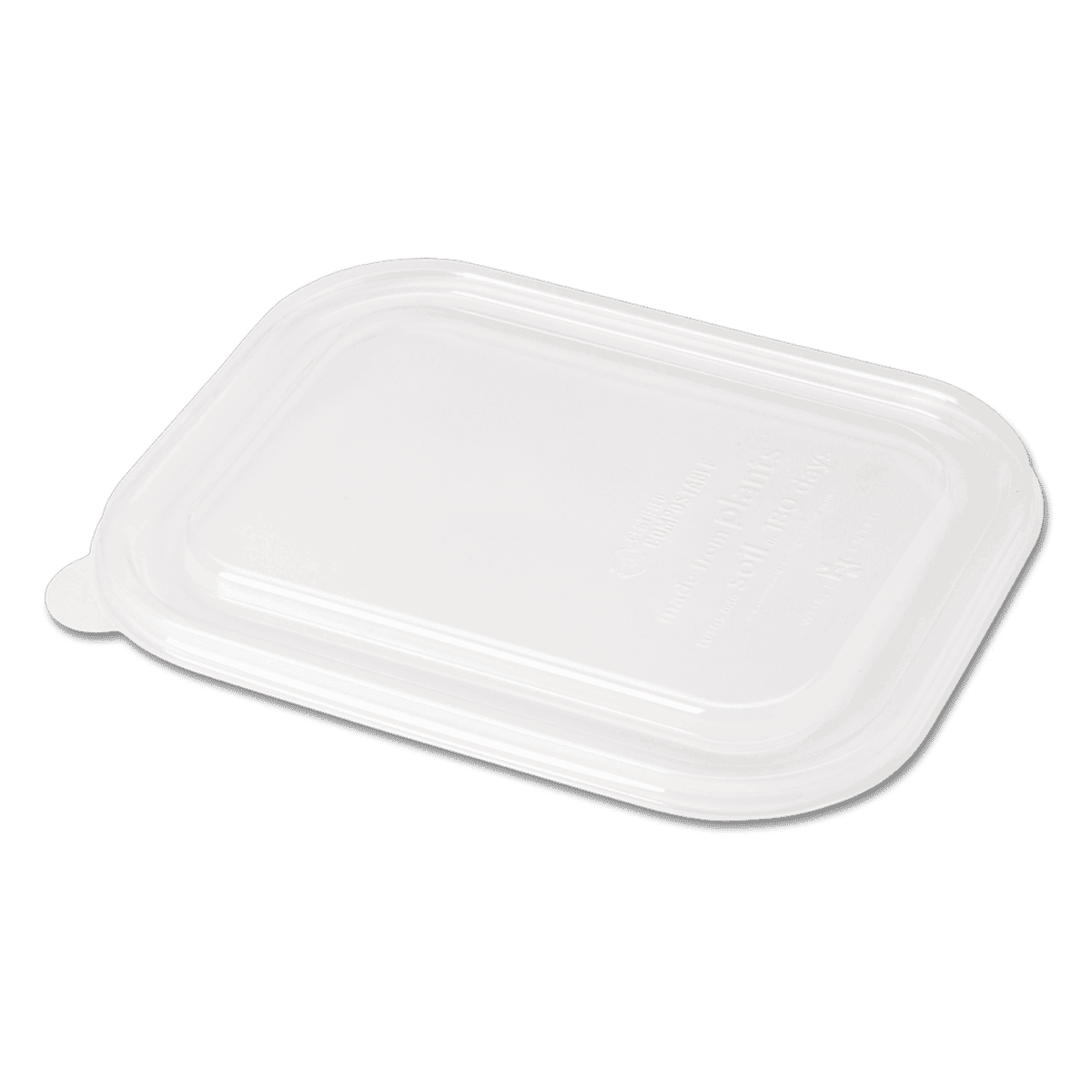
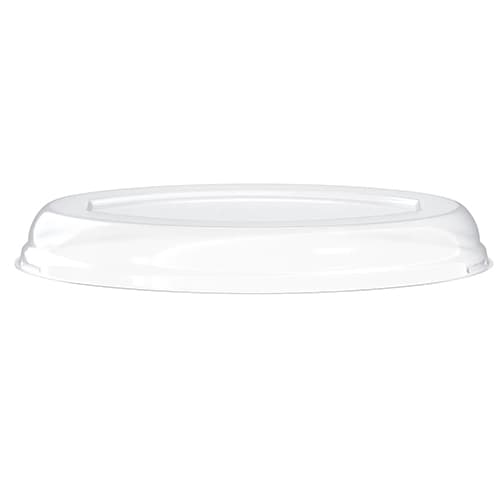
Clear PLA Lid - fits 20-48 oz Fiber Food Containers
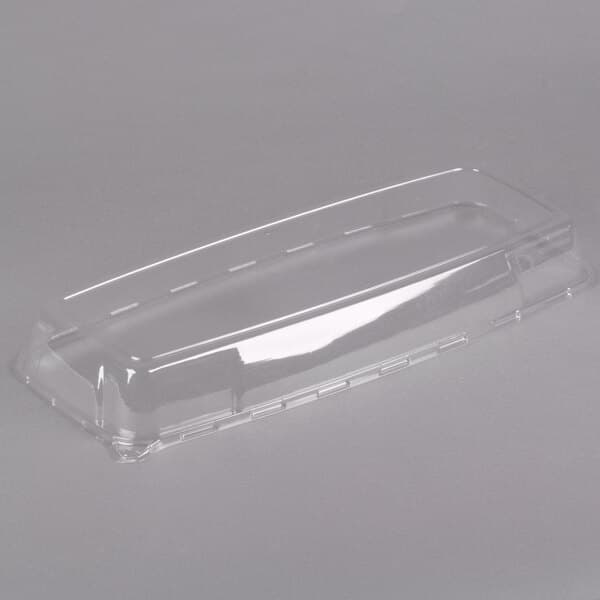
Clear PLA Lid - fits 36 oz Fiber Food Container, 1-Compartment
Clear PLA Lid - fits 36 oz Fiber Food Container, 3-Compartment
Related Categories
Related Glossary Terms
Fiber Takeout Containers
Fiber takeout containers made from bagasse move full meals from line to customer and are microwave-safe for reheatable menus. Hinged and lidded formats come in single- and multi-compartment layouts sized from single entrées to family meals, holding hot, wet, and oily foods without going soggy. Compostable options are available. Compartment count, capacity, and case pack are listed so you match the container to the menu and delivery format.
Material Options and Sustainability
Fiber containers are typically manufactured from bagasse (sugarcane pulp), bamboo, or wheat straw, creating sturdy packaging from renewable agricultural byproducts. These materials break down naturally in composting facilities, reducing landfill waste and appealing to environmentally conscious customers. Bulk fiber containers for restaurants offer the performance of traditional takeout packaging while supporting green business practices and meeting municipal composting requirements.
Performance and Food Service Applications
Molded fiber containers excel at temperature retention and moisture management, keeping hot foods warm while preventing sogginess. The natural insulation properties make them suitable for everything from grilled items and pasta dishes to salads and baked goods. These containers typically handle temperatures up to 200°F and provide secure, stackable storage for efficient kitchen operations.
Design and Functionality Features
Fiber containers come in various configurations including clamshell designs, compartmented trays, bowls, and plates with secure closure systems. The textured surface provides excellent grip and prevents slipping during transport, while the rigid construction protects food during delivery. Many designs include vented options for steam release and specialized shapes for specific menu items like burgers, wraps, or multi-component meals.
Choosing the Right Fiber Containers
Consider these factors when selecting fiber containers for your food service operation.
- Match Container to Food Type: Select deeper containers with secure lids for saucy or liquid-rich dishes, while shallower options work best for sandwiches and dry items.
- Verify Composting Compatibility: Check that containers meet BPI or CMA certification standards if you participate in commercial composting programs or promote compostability to customers.
- Consider Moisture Levels: Choose containers with higher bagasse content for better grease and moisture resistance when serving oily or high-liquid foods.
- Test Closure Security: Ensure clamshell designs have secure tab closures that stay locked during transport to prevent spills and maintain food presentation.
- Evaluate Size Requirements: Stock multiple sizes to accommodate different portion sizes and reduce waste from oversized packaging that increases costs and environmental impact.
Frequently asked questions
- What makes fiber containers a sustainable option?
- Fiber containers are made from renewable agricultural byproducts like bagasse, bamboo, and wheat straw. They break down naturally in composting facilities, reducing landfill waste.
- Are fiber containers microwave safe?
- Yes, fiber containers are microwave-safe, making them suitable for reheatable menus.
- Can fiber containers be used for all types of food?
- Fiber containers are versatile and handle hot, wet, and oily foods. Use deeper containers with secure lids for saucy dishes and shallower options for dry items.