


Related Categories
Related Glossary Terms
About Wholesale Compostable Bags
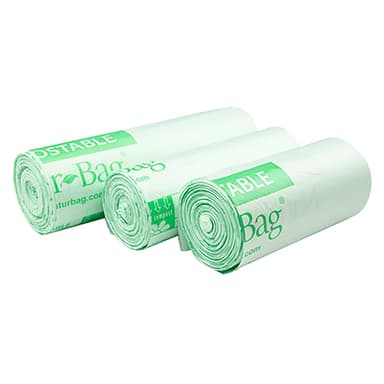
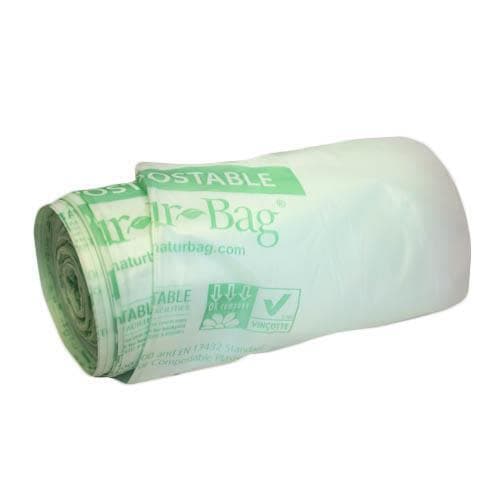
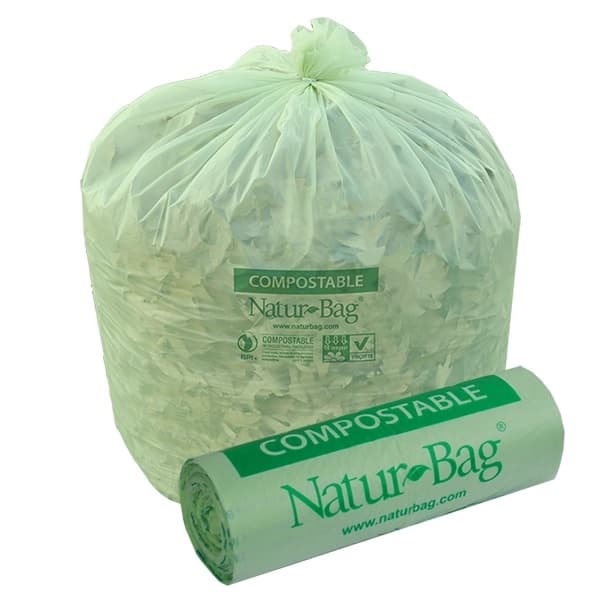
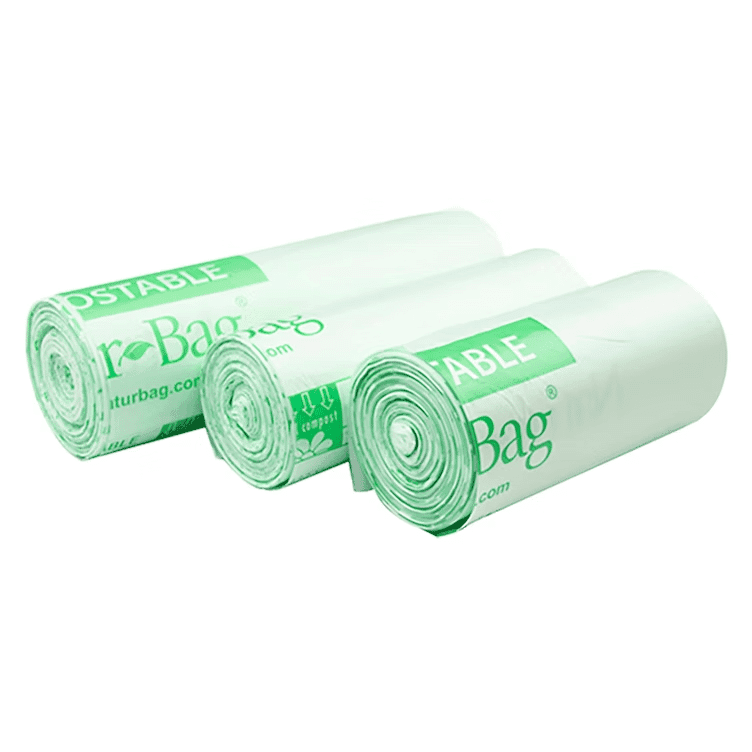
Compostable bags provide food service operations with an environmentally responsible alternative to traditional plastic bags for packaging, takeout, and waste management. Restaurants, cafes, catering companies, and food trucks increasingly choose wholesale compostable bags to align with sustainability goals while meeting customer expectations for eco-friendly practices. These bags break down naturally in commercial composting facilities, reducing landfill waste and supporting circular economy initiatives.
Material Options and Sustainability
Bulk compostable bags for restaurants are typically manufactured from plant-based materials like cornstarch (PLA), potato starch, or other renewable resources that meet ASTM D6400 or EN 13432 certification standards. These materials offer varying levels of durability, heat resistance, and composting speed depending on operational needs. Unlike conventional plastics, certified compostable bags break down into nutrient-rich soil when processed correctly, making them ideal for operations with composting programs or municipal green waste services.
Applications Across Food Service
Food service professionals use compostable bags for diverse applications including takeout orders, produce packaging, bakery goods, dry ingredients, and compost collection. Many establishments designate these bags specifically for food waste programs, helping staff and customers properly separate compostable materials from recyclables. The versatility of wholesale compostable bags makes them suitable for front-of-house customer interactions as well as back-of-house waste management systems.
Certification and Compliance
Look for third-party certifications like BPI (Biodegradable Products Institute) or CMA (Compost Manufacturing Alliance) to ensure bags meet legitimate compostability standards. These certifications verify that bags will break down within specific timeframes in commercial composting facilities without leaving toxic residues. Proper certification also helps operations comply with local regulations in municipalities that have banned single-use plastics or mandated compostable alternatives for food service businesses.
Choosing the Right Compostable Bags
Consider these factors when selecting compostable bags for your operation:
- Verify Certification Standards: Ensure bags carry recognized certifications like BPI or ASTM D6400 to guarantee they'll actually compost in commercial facilities rather than simply fragment into microplastics.
- Match Bag Strength to Contents: Select heavier gauge bags for wet or dense foods and lighter options for dry goods, as compostable materials vary in moisture resistance and load capacity.
- Consider Local Composting Infrastructure: Confirm that local waste management facilities accept certified compostable bags, as not all municipalities have the commercial composting systems required to process them properly.
- Store Properly to Maintain Integrity: Keep compostable bags in cool, dry conditions away from heat and moisture, as their plant-based composition makes them more sensitive to environmental factors than conventional plastic.
- Educate Staff and Customers: Provide clear disposal instructions and labeling to ensure compostable bags end up in the correct waste stream, maximizing their environmental benefits.