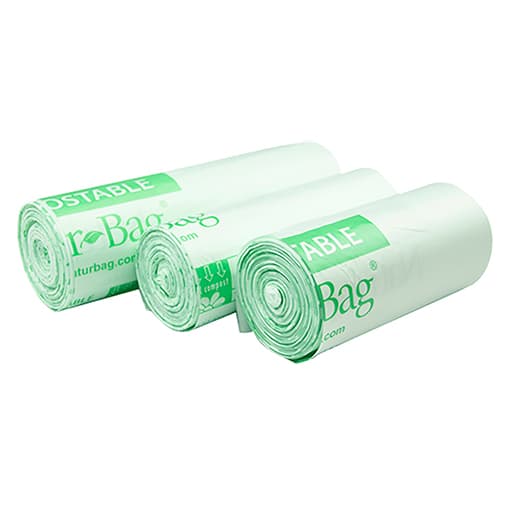
BPI Certified Compostable
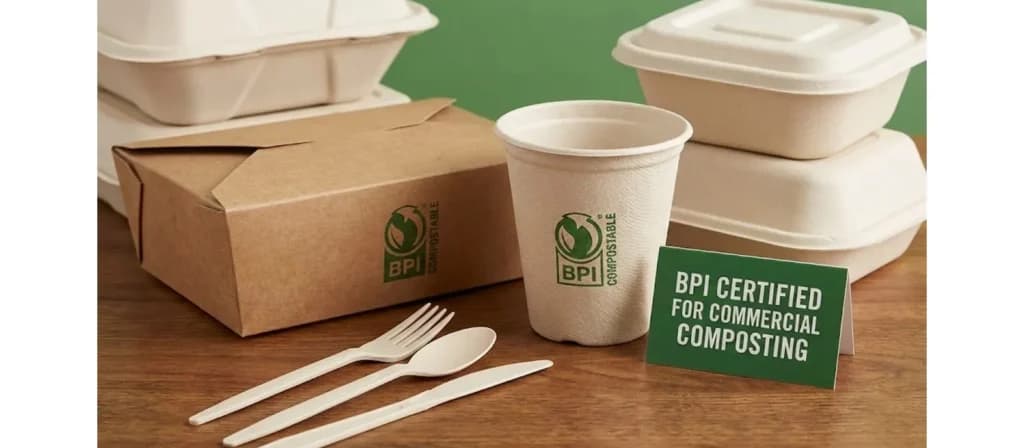
BPI Certified Compostable is a certification mark from the Biodegradable Products Institute verifying that products meet ASTM D6400 or D6868 testing standards and will completely biodegrade in commercial composting facilities within 90 days or less without leaving toxic residues.
BPI Certified Compostable is a third-party verification mark from the Biodegradable Products Institute that confirms a product meets ASTM D6400 or D6868 compostability standards and will fully biodegrade in commercial composting facilities within 90 days or less. The certification program has been operating for over 25 years and is recognized by every US state with regulatory language around compostability definitions.
The certification is the foodservice industry’s most reliable verification that a product will actually break down as claimed—not just marketing greenwash. Unlike unverified “compostable” claims that anyone can print on packaging, BPI certification requires independent laboratory testing, formulation review, and ongoing compliance monitoring.
How BPI Certification Works
Products must pass ASTM D6400 testing, the base standard for all items entering the BPI certification process. This standard mainly applies to compostable plastics and PLA (polylactic acid) products.
Items combining bioplastics with paper or fiber substrates must also meet ASTM D6868 standards. Products with cellulosic-fiber-based substrates may undergo optional ASTM D8410 assessment.
The degradation process must not introduce significant levels of 11 specified heavy metals or leave toxic residues. Since January 1, 2020, BPI requires zero intentionally-added fluorinated chemicals (PFAS), lab results showing less than 100 ppm total organic fluorine, and technical formulation review.
Eligible Products and Applications
Only items associated with desirable organic waste streams qualify for BPI certification. This includes foodservice packaging tied to food scraps and yard trimmings—the materials composters actually want in their facilities.
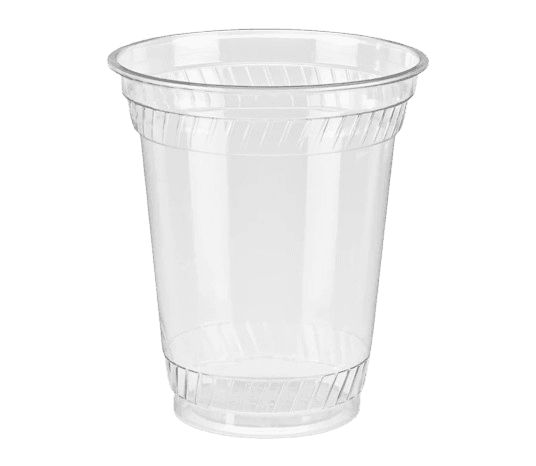
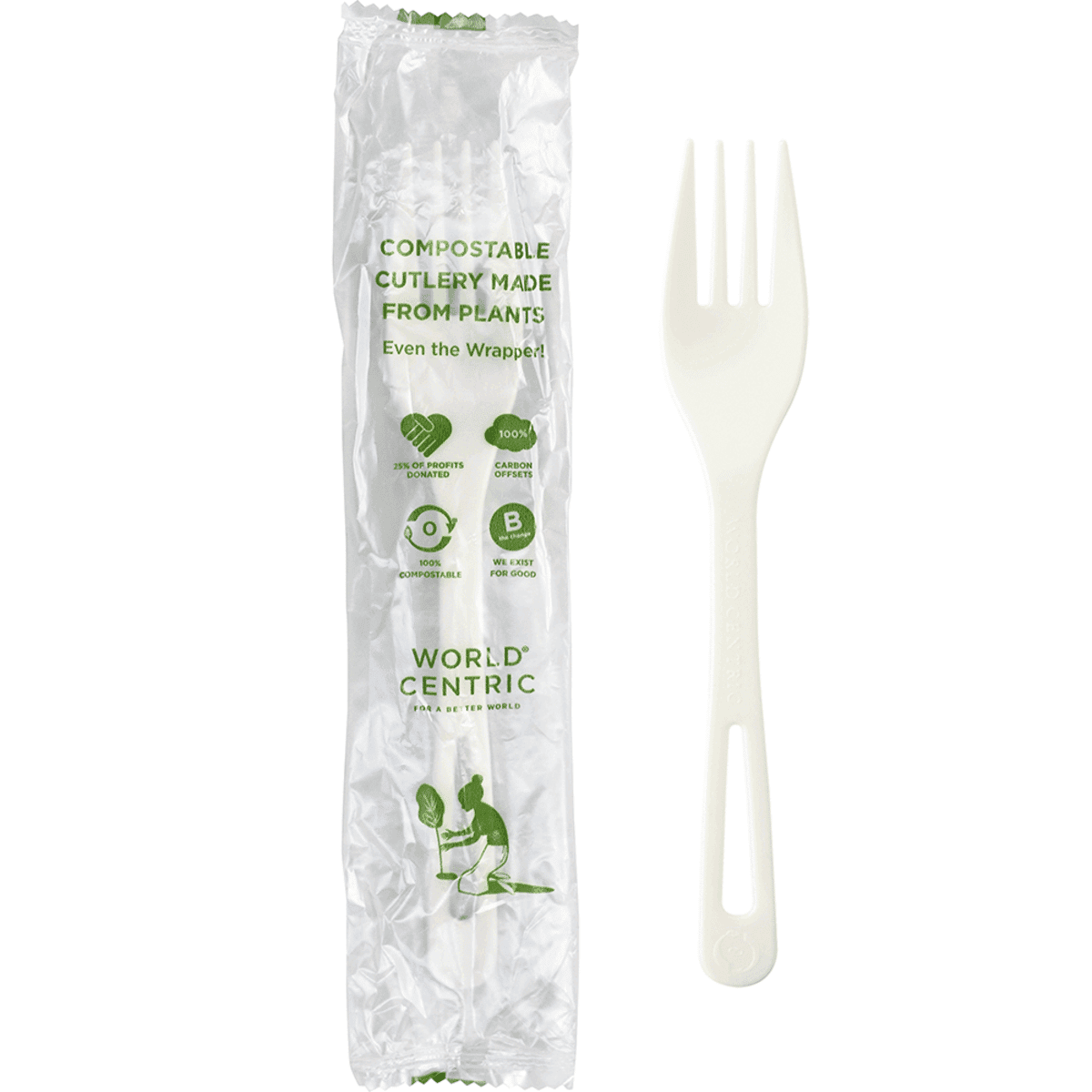
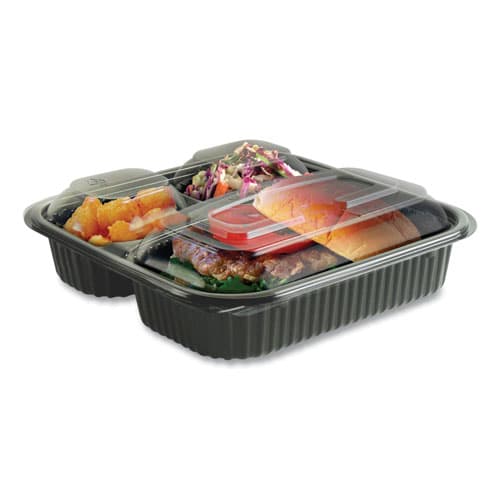
Common BPI-certified products include clear compostable cups, PLA cutlery, takeout containers, and compostable bags. Products better suited for recycling (like water bottles) or requiring disassembly before composting are not eligible.
BPI certification helps composters maintain feedstock quality and keeps compostable packaging out of landfills by building composter confidence in which products they’ll accept. By 2025, multiple states including California, New York, Washington, and Colorado require compostable or recyclable packaging, making BPI certification increasingly valuable for regulatory compliance.
Commercial vs. Home Composting
BPI-certified products require commercial composting facilities that maintain high temperatures (typically 131-170°F), optimal moisture levels, and specific microbial activity. These large-scale operations are designed to handle high volumes of organic waste with precise environmental controls.
Home composting environments lack the consistent heat and microbial conditions needed for BPI-certified materials to fully degrade in reasonable timeframes. BPI launched a separate Home Compostability Certification Program in 2025 based on French Standard NF T 51-800 for products designed to break down in backyard compost bins.
Products carrying only the standard BPI certification mark must go to commercial composting facilities—not home compost piles, recycling bins, or landfills.
Why BPI Certification Matters for Procurement
Third-party verification eliminates guesswork when sourcing sustainable packaging. Anyone can label products “compostable” without proof, but BPI certification provides documented evidence your packaging meets performance standards.
The certification mark is widely recognized by municipal composting programs, making it easier for your customers to properly dispose of packaging. This reduces contamination in both composting and recycling streams.
BPI-certified products cannot be recycled in traditional recycling systems and will contaminate recycling streams if mixed with conventional recyclables. Clear customer communication about proper disposal is essential—these items belong in commercial compost bins only.
Regulatory and Compliance Considerations
State and local regulations increasingly reference BPI certification in compostability requirements. The certification mark satisfies regulatory language in jurisdictions with packaging mandates.
BPI’s PFAS restrictions align with growing regulatory concerns about forever chemicals in food packaging. Products must prove they contain no intentionally-added fluorinated chemicals and test below 100 ppm total organic fluorine.
The certification program’s 25+ year track record provides regulatory bodies with confidence in its testing protocols and ongoing compliance monitoring. This established credibility makes BPI certification valuable for risk management and due diligence in procurement decisions.
Key Properties
Common Uses
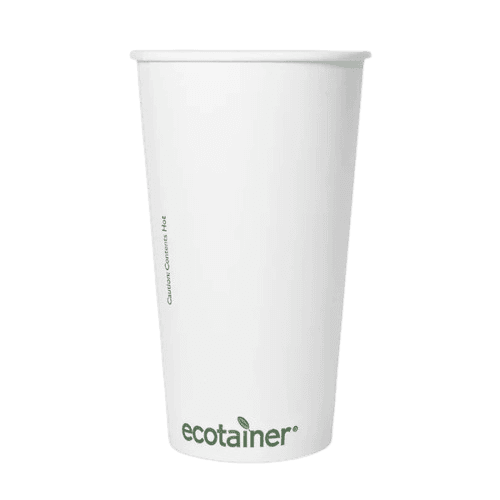
BPI certification is most commonly used for foodservice packaging and disposables that contact food or organic waste. This includes PLA cold cups, hot cup linings, cutlery, plates, bowls, takeout containers, and compostable bags. The certification is particularly valuable for institutional foodservice operations, cafeterias, events, and quick-service restaurants implementing organics diversion programs. Products are designed for commercial composting facilities that accept certified compostables alongside food scraps and yard trimmings. The certification mark helps consumers and waste haulers identify which items belong in commercial compost streams versus recycling or landfill.
Sustainability
BPI certification supports sustainability goals by verifying packaging will actually break down in composting systems rather than accumulating in landfills or natural environments. The program keeps compostable packaging aligned with organic waste streams, reducing contamination in both composting and recycling facilities. BPI's PFAS restrictions since 2020 address concerns about forever chemicals in food packaging and compost soil amendments. However, BPI-certified products require access to commercial composting infrastructure—a limitation in areas without municipal organics collection. Products cannot be recycled and will contaminate recycling streams if improperly sorted. The certification works best as part of comprehensive waste diversion programs that include commercial composting access, clear disposal signage, and customer education about proper end-of-life handling.