



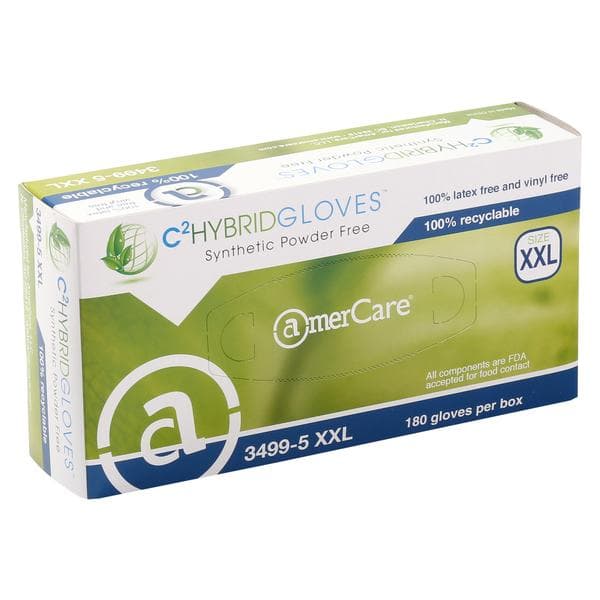
AmerCare C2 Hybrid XX-Large Latex Free Powder Free Vinyl Free Recyclable Glove
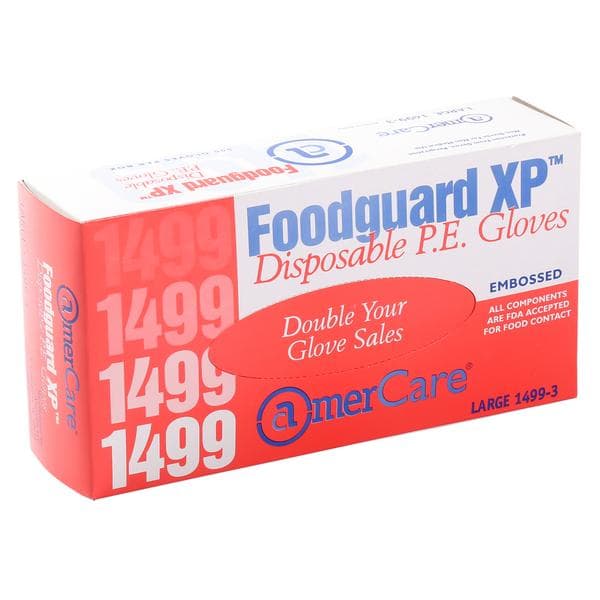
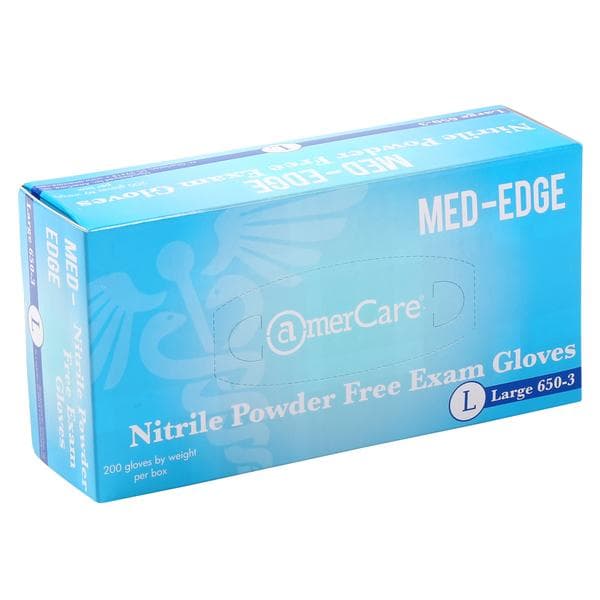
AmerCare Med-Edge Large Latex Free Powder Free Nitrile Exam Glove
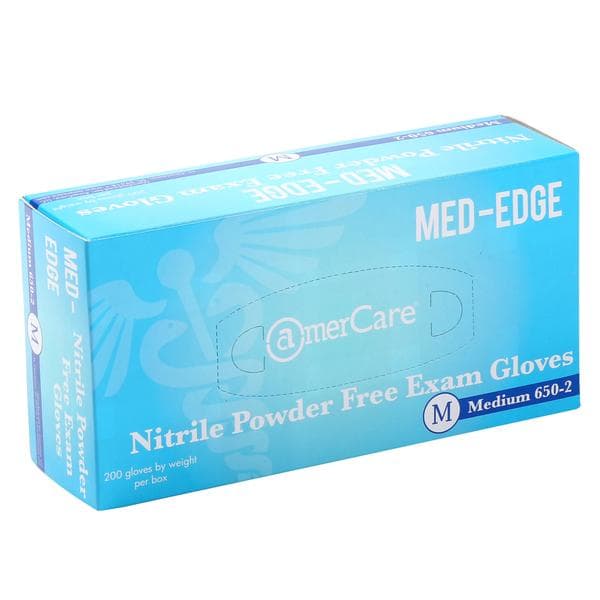
AmerCare Med-Edge Medium Latex Free Powder Free Nitrile Exam Glove
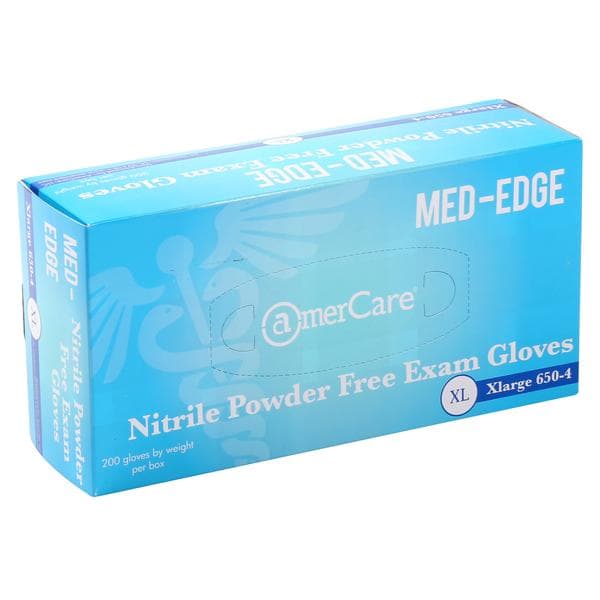
AmerCare Med-Edge X-Large Latex Free Powder Free Nitrile Exam Glove
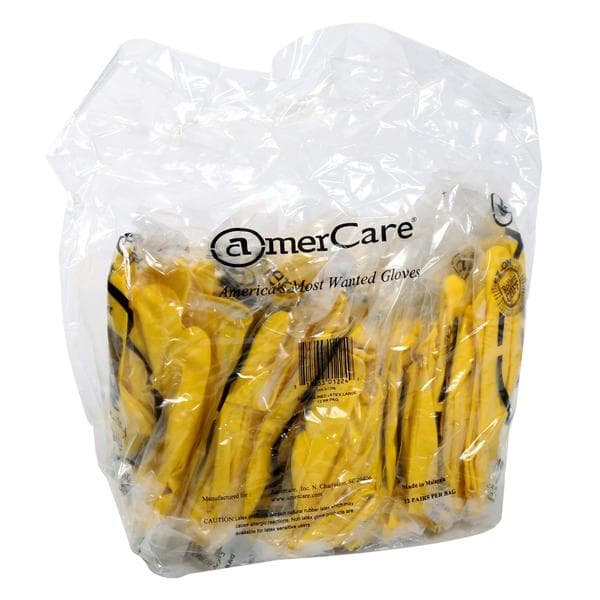
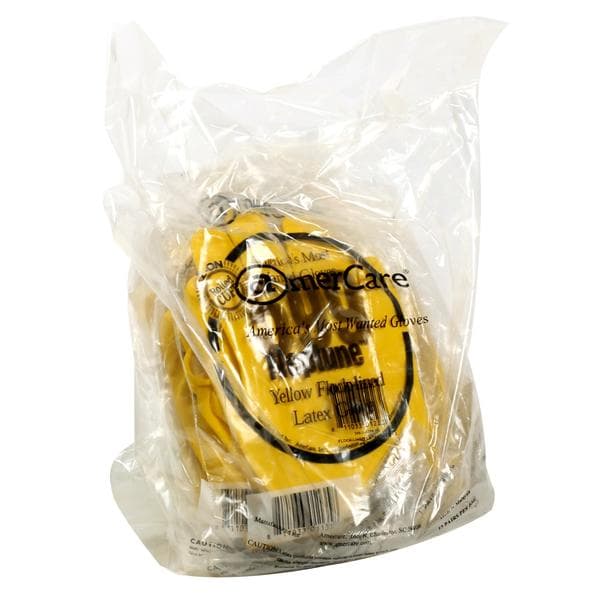

Emerald 21" White Disposable Polypropylene Bouffant Cap Hair Net
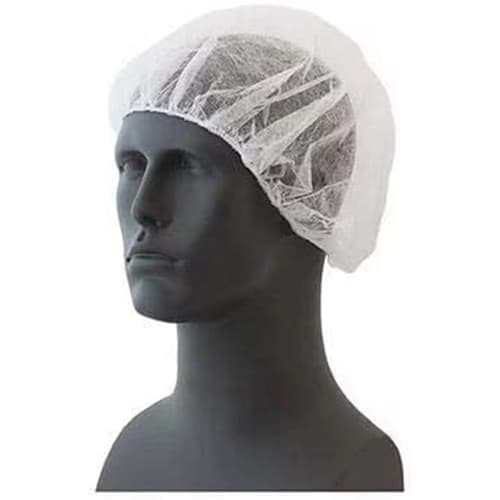
Emerald 24" White Disposable Polypropylene Bouffant Cap Hair Net

Emerald 24" White Disposable Polypropylene Bouffant Cap Hair Net
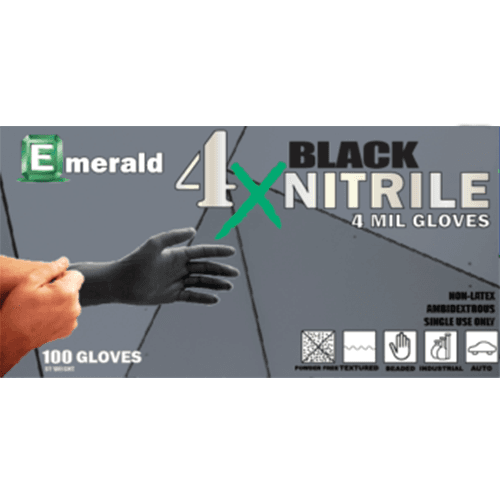
Emerald 4X Black General-Purpose Powder-Free Medium Nitrile Glove
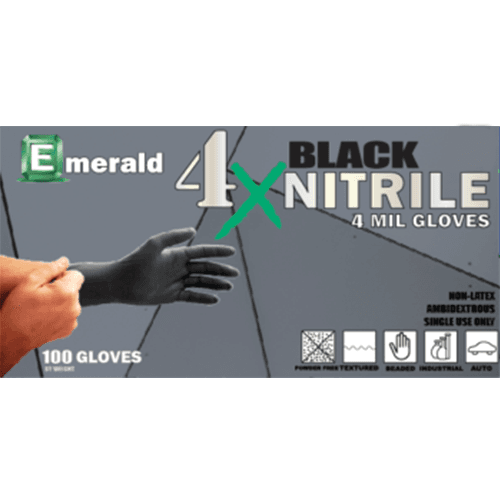
Emerald 4X Black General-Purpose Powder-Free Small Nitrile Glove
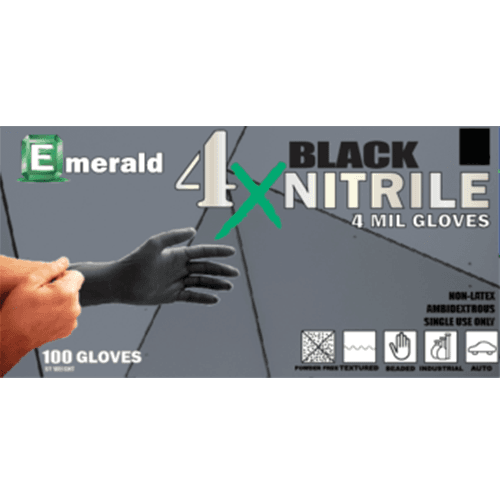
Emerald 4X Black General-Purpose Powder-Free X-Large Nitrile Glove
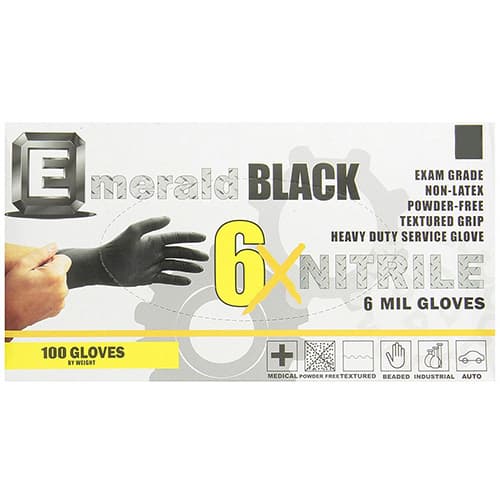
Emerald 6X Large Black Latex Free Powder Free Nitrile Exam Gloves – 6 Mil
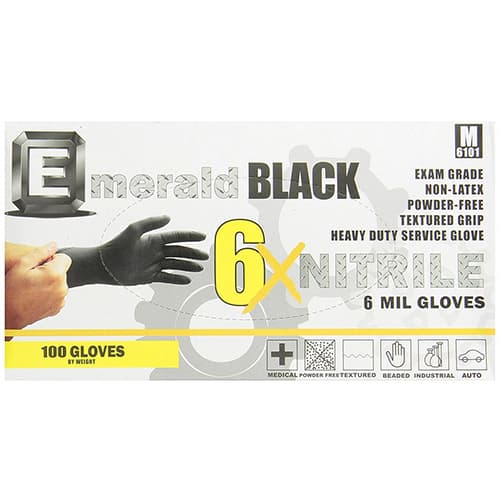
Emerald 6X Medium Black Latex Free Powder Free Nitrile Exam Gloves – 6 Mil
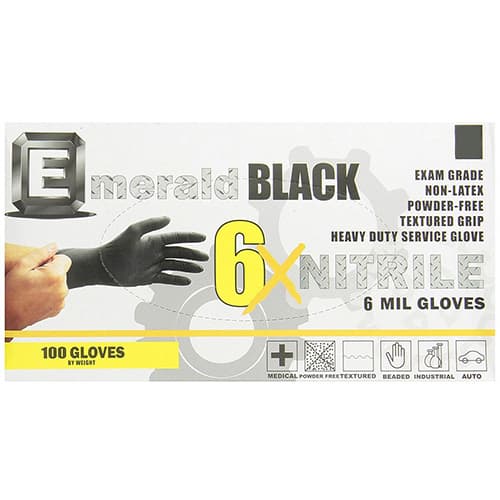
Emerald 6X X-Large Black Latex Free Powder Free Nitrile Exam Gloves – 6 Mil
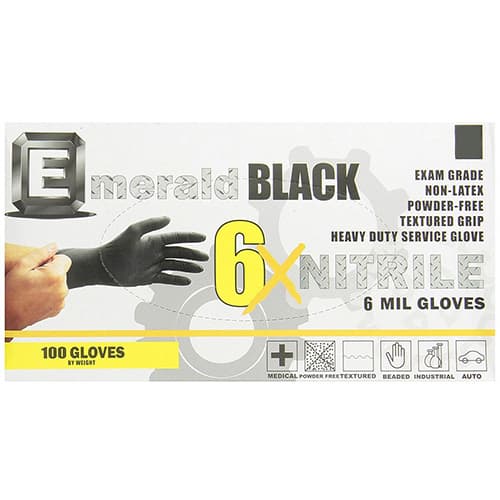
Emerald 6X XX-Large Black Latex Free Powder Free Nitrile Exam Gloves – 6 Mil
Related Categories
Related Glossary Terms
Disposable Gloves by Material & Size
Disposable gloves protect food and staff across prep, service, dishwashing, and cleaning. Stocked by material — nitrile for oils and durability, vinyl for light-duty and value, poly for quick tasks, and latex where preferred — in powder-free options and sizes XS to XL for proper fit and dexterity. Match material and thickness to the task and to any glove-material rules in your jurisdiction. Material, size range, powder status, and case count are listed for consistent reordering.
Material Options and Sustainability
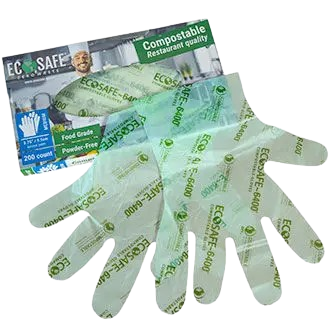
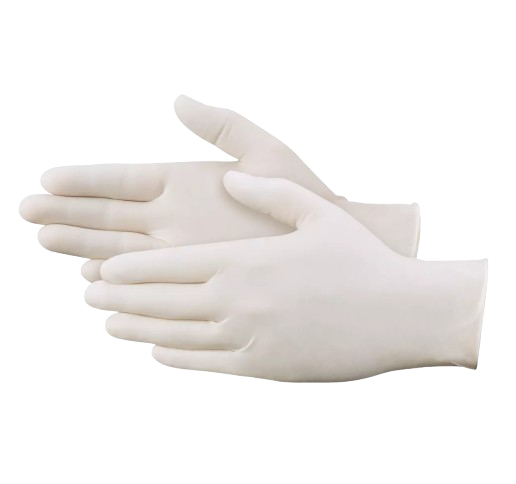
Glove materials range from traditional latex and vinyl options to nitrile gloves that offer superior puncture resistance and chemical protection, as well as lightweight poly gloves for quick food handling tasks. Compostable gloves represent an emerging sustainable alternative, breaking down in commercial composting facilities while still providing adequate barrier protection for food contact applications. Material selection impacts not only performance characteristics like durability and tactile sensitivity but also considerations around allergen concerns, with nitrile and vinyl serving as latex-free alternatives for sensitive individuals.
Choosing the Right Gloves
Consider these factors when selecting wholesale food service gloves for your operation:
- Match Material to Task: Use nitrile gloves for heavy-duty cleaning and chemical exposure, latex for high-dexterity food prep, vinyl for light-duty tasks, and poly gloves for quick food assembly or serving.
- Consider Allergen Policies: Establishments with latex-free policies should stock nitrile or vinyl alternatives to protect both staff and customers with latex sensitivities.
- Assess Durability Needs: Nitrile gloves offer the highest puncture and tear resistance for tasks involving sharp utensils, bones, or abrasive cleaning, while poly gloves work well for minimal-contact applications.
- Evaluate Environmental Impact: Compostable gloves provide a sustainable option for operations with commercial composting access, reducing landfill waste from high-volume glove usage.
- Size and Fit Matters: Stock multiple sizes to ensure proper fit across your team, as correctly sized gloves reduce hand fatigue, improve dexterity, and minimize the risk of tears during use.