Sanitizer Bucket
A sanitizer bucket is a container used to hold wiping cloths in a chemical sanitizer solution for cleaning and sanitizing food-contact surfaces in commercial kitchens, typically color-coded red to distinguish it from cleaning solution buckets.
A sanitizer bucket is a container used to hold wiping cloths in a chemical sanitizer solution for cleaning and sanitizing food-contact surfaces in commercial kitchens. The bucket keeps cloths submerged in an approved sanitizer solution between uses, ensuring they remain effective at killing bacteria and preventing cross-contamination throughout service.
The Red Bucket Method
Red buckets are the industry standard for sanitizer solutions, while green buckets hold cleaning solutions. This color-coding system prevents staff from mixing up sanitizing and cleaning tasks—a critical distinction since sanitizer kills bacteria on already-clean surfaces, while cleaning solution removes visible dirt and debris. Most operators use red 6-quart or 8-quart buckets positioned at prep stations, dish areas, and service lines where food-contact surfaces need frequent sanitizing.
FDA Requirements and Concentration Standards
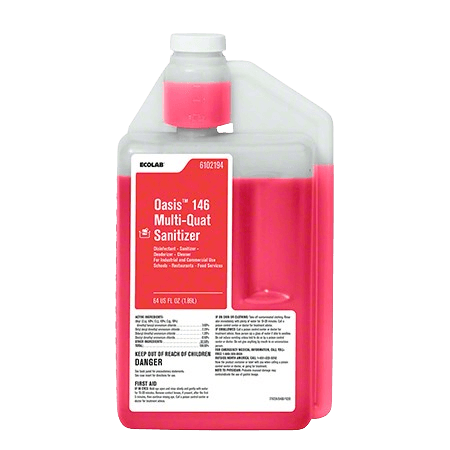
The FDA Food Code requires wiping cloths to be stored in sanitizer solution when not actively in use. Sanitizer concentration must be tested regularly using test strips to ensure effectiveness. For chlorine-based sanitizers, maintain 50-100 ppm at minimum 75°F. Quaternary ammonium (quat) sanitizers require 200-400 ppm at minimum 75°F. Iodine sanitizers need 12.5-25 ppm at minimum 75°F.
Replace the solution when test strips show concentration has dropped below required levels or when the solution becomes cloudy from food debris. During busy service, this might mean changing solutions every 2-4 hours. Always store buckets below and away from foods and food-contact surfaces to prevent contamination.
Cross-Contamination Prevention
Designate separate sanitizer buckets for raw animal products to prevent cross-contamination between raw and prepared foods. A cloth used to wipe down a cutting board that held raw chicken should never touch a surface used for ready-to-eat foods. Many kitchens use a two-bucket system—one for front-of-house and cooked food areas, another for raw protein prep zones.
Label buckets clearly as “sanitizer” or with the chemical name unless you’re using the standard red color-coding that staff already recognize. Train new employees to test sanitizer concentration at the start of their shift and to replace cloths in the bucket—not on counters or in sinks—between uses.
Bucket Sizing and Placement
Common bucket sizes include 3-quart, 6-quart, 8-quart, and 10-quart capacities. Six-quart buckets work well for most stations, holding enough solution for a dozen cloths without taking up excessive counter space. Place buckets at every major work zone during your mise en place: one at the garde manger station, one at the hot line, one at the dish pit, and one at the bar if you’re serving food there.
Transitioning to Disposable Systems
Some operators are moving from reusable cloth/bucket systems to disposable wipe systems to reduce water usage, chemical waste, and labor costs associated with laundering cloths. Pre-saturated disposable wipes eliminate the need to mix solutions and test concentrations, though they generate more waste. Heavy-duty plastic buckets designed for commercial use can last years if properly maintained, making them cost-effective for operations committed to the traditional method.
Common Uses
Sanitizer buckets are positioned at prep stations, dish areas, service lines, and bar stations throughout commercial kitchens. Staff pull cloths from the bucket to wipe down food-contact surfaces like cutting boards, prep tables, and food storage containers between tasks. After each use, cloths are returned to the sanitizer solution rather than left on counters or thrown in sinks. The bucket system is fundamental to preventing cross-contamination during service, with separate buckets designated for raw protein areas versus cooked food zones. Health inspectors check that buckets are properly labeled, positioned away from food storage areas, and that test strips confirm correct sanitizer concentration throughout the shift.