Mise en Place
Mise en place is a French culinary practice meaning 'everything in its place.' It refers to organizing, preparing, and arranging all ingredients, tools, and equipment before cooking begins to ensure efficient and smooth service.
Mise en place is a French culinary phrase meaning “everything in its place.” It refers to the practice of organizing and arranging all ingredients, tools, and equipment before cooking begins. In professional kitchens, mise en place functions as both a noun (the setup itself), a verb (the process of preparing), and a state of mind that separates organized cooks from chaotic ones.
Auguste Escoffier, known as the “king of chefs,” formalized the concept in the late 19th century alongside his kitchen brigade system. He borrowed organizational principles from military structures to bring order and efficiency to restaurant kitchens. Today, culinary schools worldwide teach mise en place as one of the first essential lessons, and professional kitchens rely on it to maintain speed and consistency during service.
What Mise en Place Involves
The process includes all preparatory work needed before service starts. Cooks chop vegetables, portion and trim proteins, measure spices, prepare sauces and dressings, wash produce, and arrange everything at their station for immediate access. In most professional kitchens, prep work takes significantly longer than the actual cooking time during service.
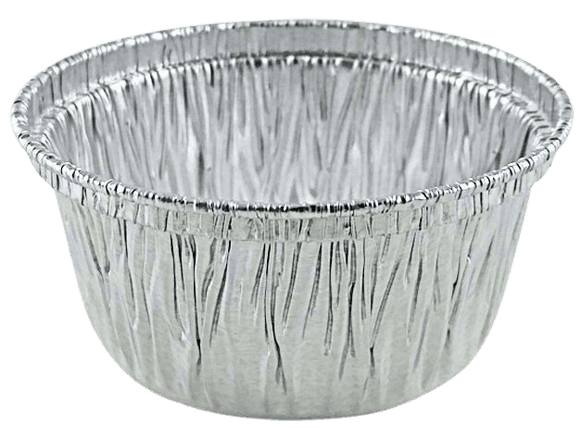
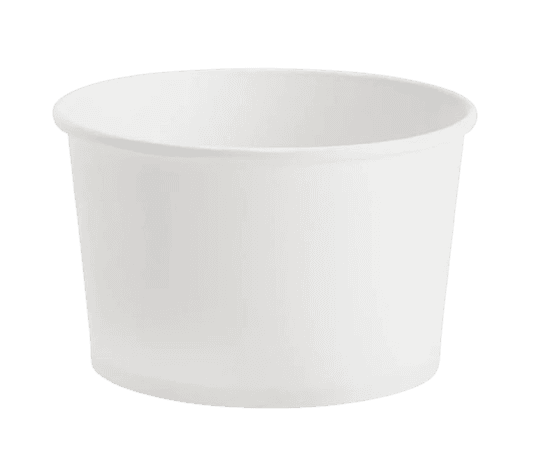
Line cooks organize their mise en place using deli containers, hotel pans, ramekins, and portion cups. Each ingredient gets its own container, labeled and positioned within arm’s reach of where it will be used. Specific knife cuts like julienne, brunoise, and chiffonade are completed during this prep phase.
Benefits in a Professional Kitchen
Mise en place delivers multiple operational advantages. Service runs faster because cooks don’t waste time searching for ingredients or measuring during the rush. Food waste decreases because ingredients are measured beforehand and quantities align with par levels. Organization improves across the entire kitchen, and food safety gets stronger because ingredients stay properly stored and covered until needed.
The expo position depends on every station having proper mise en place to maintain ticket times. Before service, cooks perform a line check to verify their lowboy fridges and stations are fully stocked. Missing mise en place discovered during this check gets priority attention from the prep cook.
Standard Containers and Setup
Professional kitchens use standardized containers to organize mise en place efficiently. Sixth-pan hotel pans hold larger quantities of chopped vegetables or proteins. 16 oz deli containers store medium portions of sauces or prepared components. 12 oz containers work well for diced aromatics or measured spices. 4 oz portion cups hold small amounts of oils or garnishes.
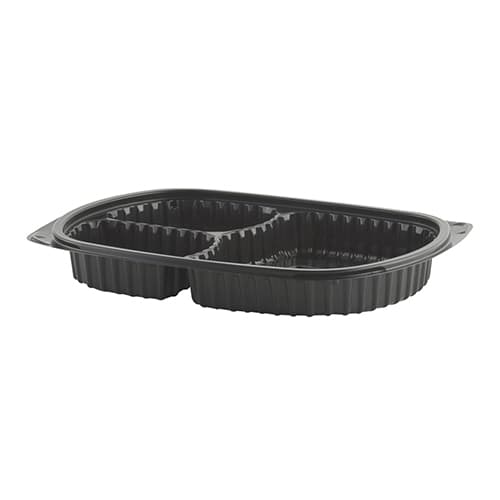
Some cooks prefer multi-compartment containers to organize several ingredients in one unit. All prepped items get covered with plastic wrap to maintain freshness and prevent cross-contamination. Containers are labeled with contents and prep dates for proper rotation.
Sustainability and Efficiency
Mise en place promotes sustainable kitchen operations by reducing overprep and food waste. When cooks measure ingredients before service, they prepare only what’s needed according to forecasted covers. This precision minimizes the amount of prepped food that expires unused. The practice also helps maintain accurate par levels, ensuring ingredients get used at optimal freshness.
Common Uses
Professional kitchens use mise en place daily before every service period. Line cooks arrive early to complete their prep work, organizing chopped vegetables in deli containers, portioning proteins, measuring spices into portion cups, and preparing sauces. The term is used as a command from chefs ("Get your mise ready"), a status update ("My mise is done"), and a compliment ("Your mise is always clean"). Culinary students practice mise en place in every cooking class to develop proper habits. Home cooks adopt the practice for complex recipes, arranging measured ingredients in bowls before turning on the stove. The concept extends beyond cooking—many chefs apply mise en place principles to life organization and time management.