Hotel Pan
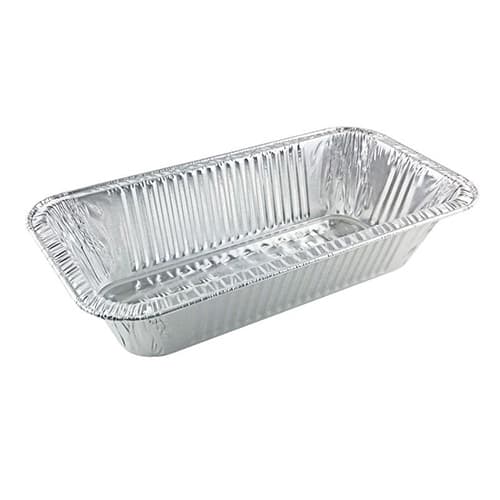
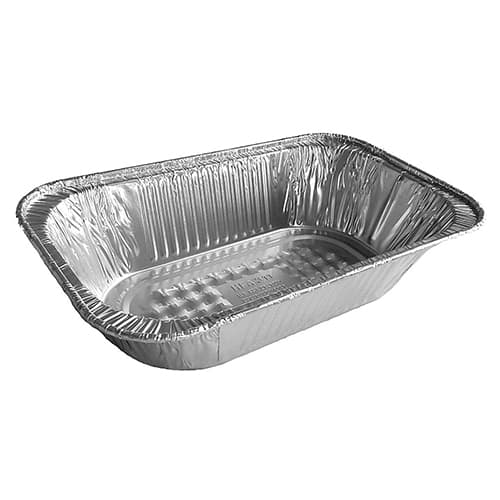
A hotel pan is a rectangular metal or plastic pan used in commercial kitchens for food storage, holding, cooking, and serving, available in standardized fractional sizes based on a full-size pan measuring approximately 12 inches by 20 inches.
A hotel pan is a rectangular metal or plastic pan used in commercial kitchens for food storage, holding, cooking, and serving. The full-size hotel pan measures 12 inches by 20 inches (or 20 3/4 inches by 12 3/4 inches) and serves as the foundation for a modular sizing system used throughout the foodservice industry. Also called steam table pans, service pans, or counter pans, these versatile containers can move directly from refrigerator to prep line to oven to serving line without transferring food between containers.
Standard Hotel Pan Sizes
Hotel pans follow a standardized fractional sizing system based on the full-size pan. A half-size pan (1/2) measures 12 inches by 10 inches — exactly half the area of a full pan. Third-size pans (1/3) measure approximately 12 inches by 6 2/3 inches, and two third-size pans fit side-by-side in the space of one full pan. Quarter-size pans (1/4) are 10 inches by 6 inches, while sixth-size (1/6) and ninth-size (1/9) pans provide even smaller modular options for organizing ingredients and condiments.
Depth is equally standardized. Shallow pans measure 1.25 to 2 inches deep and work well for appetizers and items that require minimal height. Medium depth (2.5 inches) offers versatility for most applications. Deep pans (4 inches) accommodate larger volumes of food, while extra deep (6 inches) and super deep (8 inches) pans hold soups, stews, and high-volume items. This modular system means equipment like steam tables, prep tables, and holding cabinets are all designed around these standard dimensions.
Materials and Construction
Most professional kitchens use stainless steel hotel pans, typically 22-gauge thickness, which can withstand extreme temperature changes from freezer to oven. Stainless steel resists corrosion, doesn’t react with acidic foods, and lasts decades with proper care. Aluminum hotel pans conduct heat more efficiently and cost less than stainless steel, but they can react with acidic foods and dent more easily.
Plastic hotel pans serve specific purposes in commercial kitchens. Polypropylene plastic handles cold storage and light hot-holding up to 160°F, making these pans ideal for salad bars and cold prep stations. Polycarbonate plastic offers clarity for displaying food and shatter resistance for high-traffic areas. High-heat plastic pans withstand temperatures up to 375°F and work in warming cabinets and some cooking applications. When purchasing hotel pans, look for NSF certification, which ensures the pan meets public health and safety standards for food contact surfaces.
Origin and International Standards
The name “hotel pan” likely originated from historic hotel kitchens where food was prepared in advance and held in large pans for service at designated meal times. Outside the United States, these pans are called gastronorm (GN) pans, following the European standard introduced in Switzerland in 1964. The gastronorm system uses similar sizing principles and is generally interchangeable with U.S. hotel pans, though rim widths and corner radii may vary slightly.
Practical Applications
Hotel pans eliminate the need to transfer food between different containers during prep, cooking, storage, and service. A batch of roasted vegetables can be prepared in a full-size deep pan, covered and refrigerated overnight in the same pan, then placed directly into a steam table for catering service without ever touching another container. This reduces labor, minimizes food handling for safety, and streamlines kitchen operations.
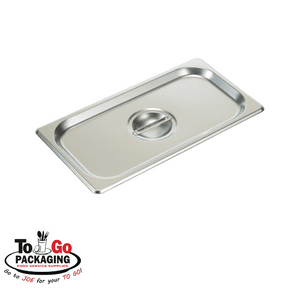
In prep stations, smaller fractional pans organize mise en place — diced onions in a sixth pan, chopped herbs in a ninth pan, with each ingredient accessible and properly sized to actual usage. The standardized sizing means lids are interchangeable across brands, and pans nest for compact storage. For operations concerned with sustainability, stainless steel and aluminum hotel pans are fully recyclable and essentially indestructible with proper care, eliminating the waste associated with disposable food storage containers.
Key Properties
Common Uses
Hotel pans are used throughout commercial kitchens for multiple purposes. During prep, cooks use fractional pans to organize mise en place ingredients at stations. For cooking, metal hotel pans go directly into ovens for roasting, baking, and steaming. In cold storage, pans hold prepped ingredients and prepared dishes in walk-in coolers and reach-in refrigerators. On the line, hotel pans fit into steam tables and hot holding equipment for buffet service and catering. The modular sizing system allows chefs to configure serving lines efficiently, mixing full-size pans for high-volume items with smaller fractional pans for condiments and side dishes. In catering operations, the same pans used for food prep and cooking become the actual serving vessels, eliminating transfers and reducing labor.
Sustainability
Hotel pans represent a highly sustainable choice for commercial kitchens. Stainless steel and aluminum pans are essentially indestructible with proper care, often lasting decades in professional use, which dramatically reduces replacement waste compared to disposable containers. Both materials are fully recyclable at end of life, and recycled content is commonly used in manufacturing. The reusable nature of hotel pans eliminates thousands of disposable containers in catering and buffet operations annually. High-quality hotel pans require minimal maintenance — just proper washing and occasional deep cleaning — and their durability means fewer resources consumed in manufacturing replacements. For operations tracking sustainability metrics, switching from disposable takeout containers to reusable hotel pan systems can significantly reduce waste output and long-term costs.