Molded Fiber
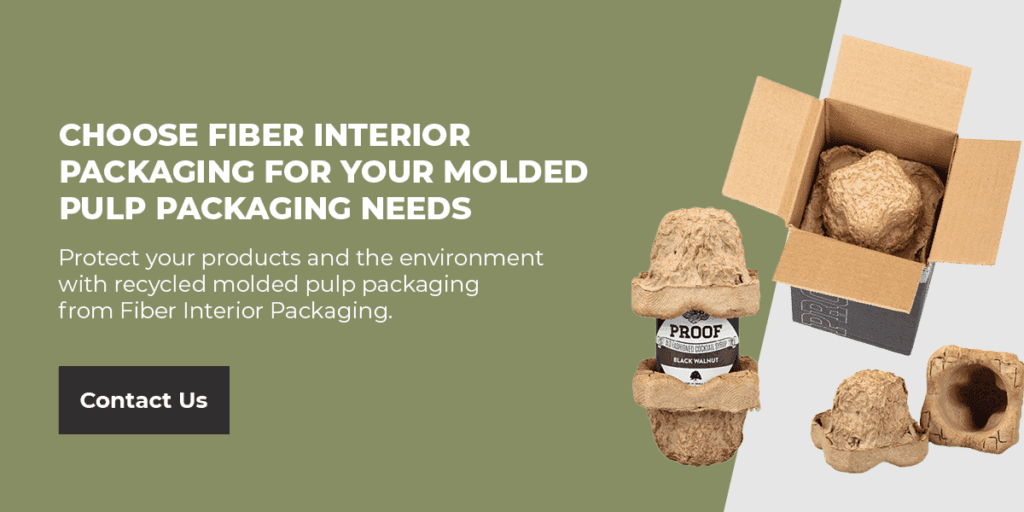
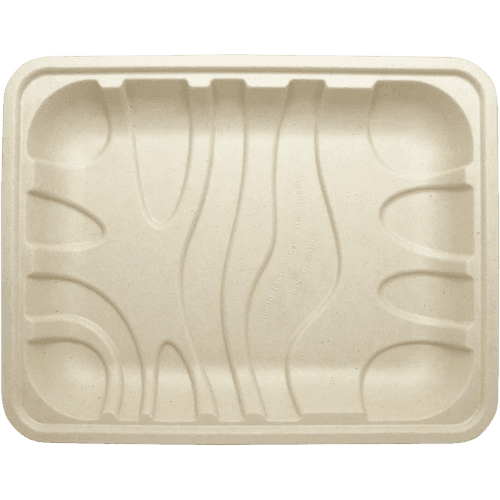
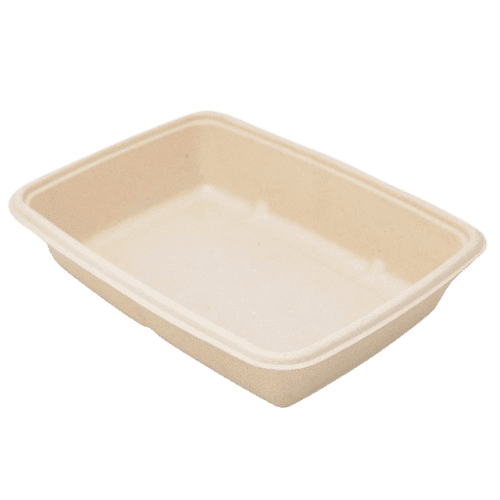
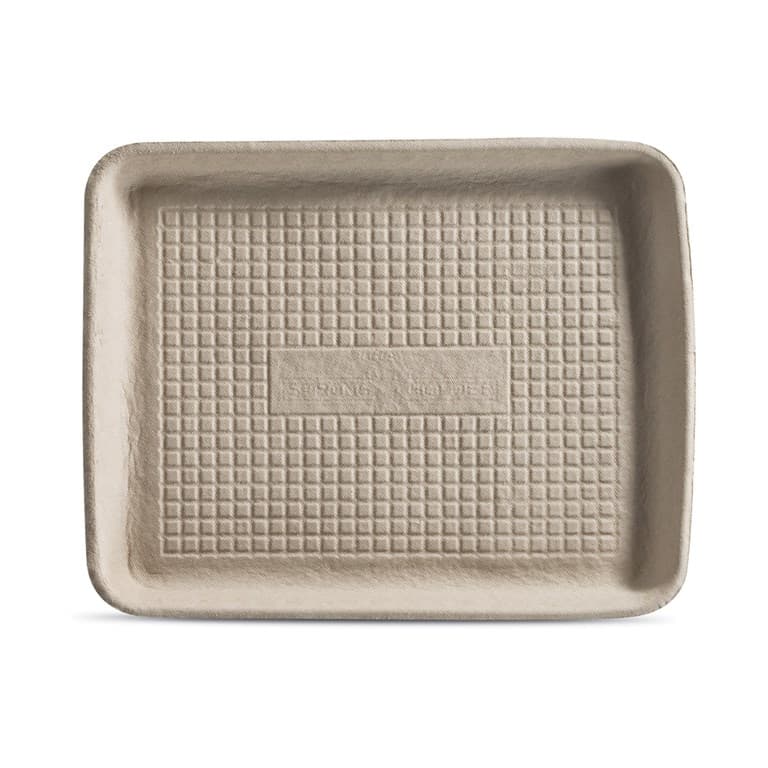
Molded fiber is a packaging material made from recycled paperboard, newsprint, or natural fibers such as bagasse, wheat straw, bamboo, and hemp that are blended with water into a pulp slurry and vacuum-formed into containers, trays, and protective packaging.
Molded fiber is a packaging material made from recycled paperboard, newsprint, or natural fibers such as bagasse (sugarcane), wheat straw, bamboo, and hemp. The raw materials are blended with water to create a pulp slurry that is vacuum-formed into containers, trays, clamshells, and protective packaging for foodservice and industrial applications.
The International Molded Fiber Association (IMFA) classifies molded fiber into four types based on manufacturing method and wall thickness. Thick-Wall products range from 3/16 to 3/8 inch with rough surfaces. Transfer Molded products feature 1/8 to 3/16 inch walls with smooth surfaces suitable for food contact. Thermoformed products offer 3/32 to 5/32 inch walls with highly detailed designs. Processed products receive secondary treatments like printing or coatings.
How Molded Fiber Products Are Manufactured
Production starts with blending recycled paper or plant fibers with water to form a pulp slurry. Mesh forming tools vacuum the slurry onto molds to create the desired shape and wall thickness. The wet parts are released from the molds and dried in ovens or heated chambers. Surfaces are pressed with heated tools to smooth the finish and compress the walls. Final products are trimmed to remove excess material from edges.
Both fiber and water are recycled and reused throughout manufacturing, resulting in almost zero waste. The process expels no toxic or hazardous materials, and manufacturers increasingly use bagasse, wheat, and bamboo as fiber sources due to cost effectiveness and rapid renewability compared to wood pulp.
Performance Characteristics for Foodservice Use
Molded fiber can protect items weighing up to 100 lbs or more, making it suitable for both lightweight takeout containers and heavy-duty industrial packaging. Products nest efficiently for storage and transportation—up to 10 times more space-efficient than polystyrene alternatives. This nesting capability reduces shipping costs and warehouse space requirements.
When certified to FSSC 22000 food safety standards, molded fiber is safe for direct food contact. High-quality virgin fibers and plant-based coatings provide barrier properties suitable for hot and cold foods. Fiber trays handle temperatures from refrigerated storage to hot prepared meals without structural failure.
Certifications and Compostability Standards
ASTM D6400 and D6868 are the primary U.S. standards for compostability of molded fiber products and coatings. EN 13432 is the European equivalent, requiring disintegration within 12 weeks and complete biodegradation within six months in industrial composting conditions.
BPI (Biodegradable Products Institute) provides third-party verification of ASTM standards for North American markets. TÜV Austria OK Compost certification covers both industrial and home compostability. FSC (Forest Stewardship Council) certification verifies responsible fiber sourcing when wood pulp is used. PFAS-free formulations are now available as the industry eliminates toxic fluorochemicals from food contact surfaces.
Environmental Impact Compared to Plastic Packaging
Molded fiber has a carbon footprint of approximately 0.66 kg CO2eq per kilogram of product, compared to 4.2 kg CO2eq for polypropylene plastic. The material is 100% recyclable through existing paper and cardboard recycling streams, which achieved a 68% recycling rate in 2018 according to EPA data. Global plastic recycling rates remain below 10% by comparison.
Products fully biodegrade within 90 days in industrial composting facilities when certified to ASTM or EN standards. Made from renewable resources with up to 100% recycled content, molded fiber creates a closed-loop system where used packaging becomes feedstock for new products. The material is exempt from packaging penalties applied to polystyrene in many jurisdictions.
Transportation costs decrease due to lighter weight compared to plastic alternatives. Molded fiber can be incinerated without damaging incinerators or releasing toxic fumes. Disposal costs are zero or negligible compared to non-compostable packaging that requires landfill fees.
Applications in Foodservice and Retail
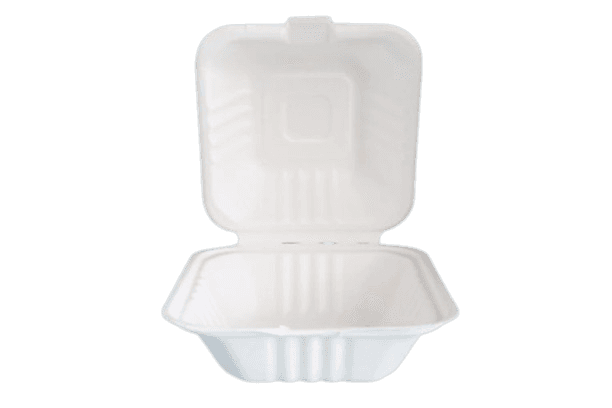
Fiber containers are used for takeout, delivery, and catering operations serving hot entrees, salads, and prepared meals. Clamshell containers made from molded fiber provide secure closures for sandwiches, burgers, and bakery items. Beverage carriers, egg cartons, and produce baskets leverage the material’s strength and moisture resistance.
Transfer molded products with smooth surfaces are preferred for direct food contact applications requiring minimal fiber transfer. Thick-wall products handle heavier items like industrial parts, electronics, and medical devices during shipping. Processed types with specialized coatings offer grease and moisture barriers for specific food applications.
Key Properties
Common Uses
Foodservice operators use molded fiber for takeout containers, clamshells, food trays, bowls, and portion cups serving hot and cold meals. Retail applications include produce baskets, berry containers, egg cartons, and beverage carriers. Industrial uses include protective packaging for electronics, medical devices, and heavy equipment during shipping. The material is certified safe for direct food contact when meeting FSSC 22000 standards and provides grease and moisture resistance with appropriate coatings.
Sustainability
Molded fiber offers significant environmental advantages over plastic packaging with a carbon footprint approximately 85% lower than polypropylene. The material is manufactured from recycled paper (up to 100% post-consumer content) or rapidly renewable plant fibers like bagasse, wheat straw, and bamboo. Both fiber and water are recycled during manufacturing, creating almost zero production waste without toxic emissions. Products are 100% recyclable through existing paper streams that achieve 68% recovery rates, and they biodegrade completely within 90 days in industrial composting facilities when certified to ASTM D6400 or EN 13432 standards. The material qualifies for exemptions from polystyrene packaging penalties in many jurisdictions and can be incinerated safely without releasing harmful chemicals. Transportation costs decrease due to lightweight construction and space-efficient nesting properties that reduce shipping volumes.