Braising
Braising is a combination cooking method that uses both wet and dry heat: food is first seared at high temperature, then slowly cooked in liquid at lower temperature in a covered pot to break down tough connective tissue into tender, flavorful results.
Braising is a combination cooking method that uses both wet and dry heat: food is first seared at high temperature to develop flavor, then slowly cooked in liquid at lower temperature in a covered pot. The technique relies on heat, time, and moisture to break down tough connective tissue (collagen) into gelatin, transforming economical cuts of meat into tender, flavorful dishes.
How the Braising Method Works
Classic braising involves covering one-third to two-thirds of the food with liquid—typically wine, stock, or acidic ingredients like tomatoes or vinegar. The covered pot traps steam and moisture, creating a gentle cooking environment that breaks down proteins over hours. This low-and-slow approach turns tough, collagen-rich cuts into melt-in-your-mouth results while developing complex flavors in the cooking liquid.
Two main types exist: brown braising and white braising. Brown braising sears the meat first to create Maillard reaction and deep caramelized flavor. White braising cooks the meat without browning, heating only to appropriate internal temperature—often used for delicate proteins or when a lighter color is desired.
Equipment for Commercial Braising
Professional kitchens use braising pans, roasting pans, stock pots, Dutch ovens, and commercial braisers for volume operations. Heavy-bottomed cookware with tight-fitting lids is essential to maintain consistent temperature and trap moisture. Modern commercial braising pans, introduced in the United States in 1961, handle high-volume foodservice operations with built-in temperature controls.
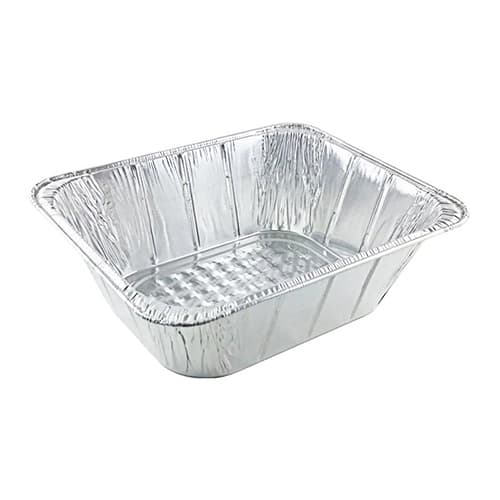
Braising can be done on stovetop, in oven (typically 250-300°F), or in slow cookers and pressure cookers. For catering and service, hotel pans with tight lids hold braised items at temperature while keeping them moist. Large roasting pans tightly covered with foil work for oven braising in volume settings.
Best Cuts and Ingredients for Braising
Tougher, cheaper cuts with more connective tissue work best: beef short ribs, brisket, chuck roast, pork shoulder, lamb shanks, chicken thighs, and oxtail. These economical cuts become tender and flavorful through braising’s transformative process. The technique makes efficient use of cuts that might otherwise be wasted.
Braising works for vegetables, poultry, fish, and meats, though vegetables require shorter cooking times than tough meat cuts. Root vegetables, cabbage, artichokes, and squashes all benefit from the technique. Classic braised dishes include pot roast, short ribs, osso buco, coq au vin, and brisket—staples on restaurant menus worldwide.
Restaurant Advantages
The technique is economical for restaurants on multiple fronts. It uses cheaper cuts of meat, requires little active kitchen labor during the long cooking process, and allows for largely hands-off cooking once the pot is sealed. Braised items can be prepared in advance, making them ideal for high-volume service or catering operations.
The braising liquid reduces to create a sauce or gravy after cooking, eliminating the need for separate sauce preparation. Finished braised dishes hold well in service, transport easily for catering, and can be portioned into takeout containers as prepared meals with minimal finishing work.
Common Uses
Professional kitchens use braising daily for menu items that can be prepared in advance—short ribs, pot roast, lamb shanks, and brisket are common examples. The technique appears on prep lists for weekend service when cooks braise large batches on slower weekdays. Catering operations rely on braising because finished dishes transport well and hold at temperature without drying out. Many restaurants feature braised specials during colder months, though the method's economy and flexibility make it year-round staple. Braising liquid becomes sauce, reducing kitchen labor and food cost. The term originated from French 'braiser' (to cook over live coals), formalized in 18th century France, though the technique has ancient roots across cultures.