Bus Station
A bus station (also called bussing station or side station) is a designated area in a restaurant where staff temporarily store dirty dishes, silverware, and glassware before taking them to the dish room, reducing trips and improving service efficiency during peak hours.
A bus station (also called bussing station or side station) is a designated area in a restaurant where staff temporarily store dirty dishes, silverware, and glassware before transporting them to the dish room. This strategic setup reduces the number of trips servers and bussers make during service, directly improving efficiency during peak hours. Most restaurants position these stations near high-traffic dining areas to minimize steps and keep tables turning faster.
Design and Configuration
Most bus stations feature multiple ledges or shelves to hold trays and tubs at different heights. A typical setup includes a chute for dry waste, a drain for liquid waste, and storage compartments below for cleaning supplies. The multi-level design lets staff sort items as they clear tables—glassware on one shelf, plates on another—which speeds up the dishwashing process later.
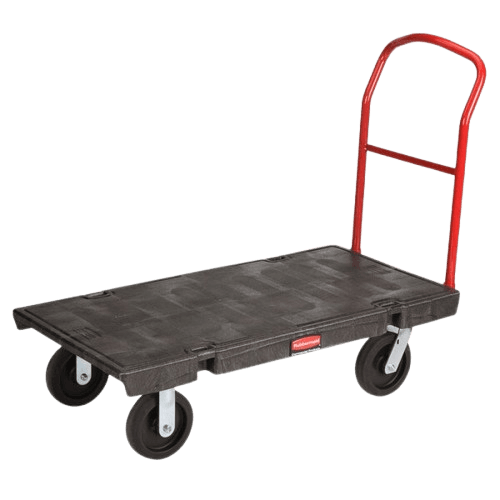
Mobile bus stations on casters offer operational flexibility. You can roll them to different sections of the dining room based on where the action is, whether that’s a busy banquet area or a section that just got triple-sat. Stationary stations work best in restaurants with consistent traffic patterns and fixed floor plans.
Essential Supplies Stocked
Beyond dish collection, bus stations serve as supply hubs for service staff. Standard inventory includes napkins, spare side plates, cutlery rolls wrapped for quick table resets, and cleaning supplies like sanitizer buckets and bar towels. Many operations also keep condiment caddies, ramekins, and backup items that servers need mid-service without running to the kitchen.
Larger establishments often integrate POS terminals or beverage refill stations directly into side stations. This consolidation means servers can ring in orders, refill drinks, and clear tables from a single location—critical for maintaining service flow when every second counts.
Operational Impact
Bus stations function as the front-of-house equivalent of a kitchen hot line. They keep the dining room organized and prevent servers from becoming overwhelmed during rushes. When properly maintained, they reduce table turn times by 2-3 minutes per seating, which adds up significantly over a busy dinner service.
The bussing role itself—the term is an Americanism possibly derived from “omnibus boy,” meaning someone who does everything—relies heavily on these stations. Bussers circulate between tables and the station, keeping bus tubs from overflowing and restocking supplies before servers run out. In operations focused on efficiency, this coordination between front and back of house makes or breaks service speed.
Waste Management Integration
Modern bus stations increasingly include waste separation areas for recycling and composting programs. Built-in compartments for glass, cardboard, and compostable food waste help staff sort items correctly without extra steps. This setup reduces contamination in recycling streams and supports sustainability goals without slowing down service.
Organized stations also minimize food waste. When staff can quickly scrape plates into designated bins and spot patterns in uneaten items, kitchen teams get better feedback on portion sizes and menu popularity. This data-driven approach to waste reduction starts at the bus station.
Common Uses
Bus stations are used throughout meal service by bussers and servers to collect cleared items from dining tables. Bussers make regular circuits between tables and the station, depositing full bus tubs and grabbing fresh supplies. During high-volume service, maintaining the station becomes a dedicated task—one person keeps it stocked with napkins, cutlery, and cleaning supplies while another handles dish transport to prevent bottlenecks. In operations with banquet service or private dining rooms, mobile bus stations get positioned near the action and moved as events progress. Side stations with integrated POS terminals serve double duty: servers can ring orders, refill beverages, and stage cleared items without leaving their section.