Chafing Dish
A chafing dish is a metal cooking or serving pan mounted on a stand with a heat source below it, used primarily for keeping food warm at buffets and catered events at safe holding temperatures of 150-200°F.
A chafing dish is a metal serving pan mounted on a stand with a heat source underneath, designed to keep food warm at buffets and catered events. It maintains food at safe holding temperatures between 150°F and 200°F using indirect heat, typically through a water pan that creates a gentle warming environment.
The device consists of several key components: a frame or stand, a water pan (also called a bain-marie pan), a food pan that sits in the water, a lid (roll-top, hinged, or lift-off style), and fuel holders. The water pan creates a buffer between the heat source and food, preventing scorching while maintaining moisture.
How Chafing Dishes Work
Chafing dishes use indirect heat to keep pre-cooked food at serving temperature without continuing to cook it. The water pan sits directly above the heat source and transfers warmth gently to the food pan above it. This method prevents hot spots and keeps proteins from drying out during extended service periods.
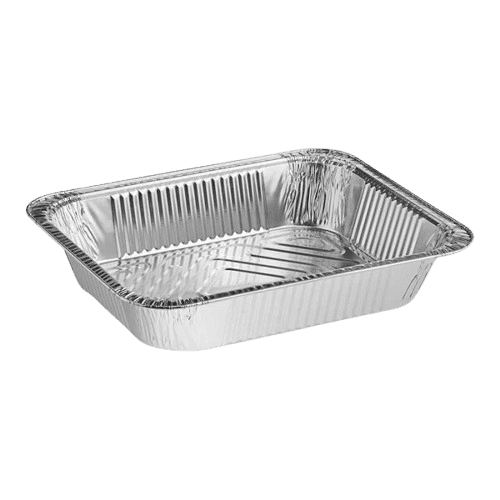
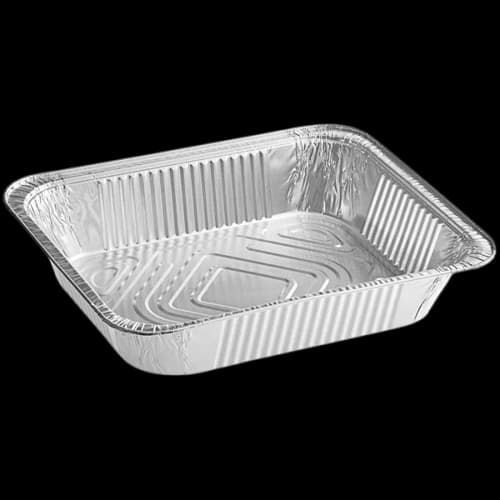
Standard sizes include full-size units (8-9 quarts, rectangular), half-size (4-5 quarts), and 2/3 size (5-6 quarts). Full-size chafers work best for entrees at large events, while half-size units handle sides and desserts for smaller groups.
Types of Heat Sources
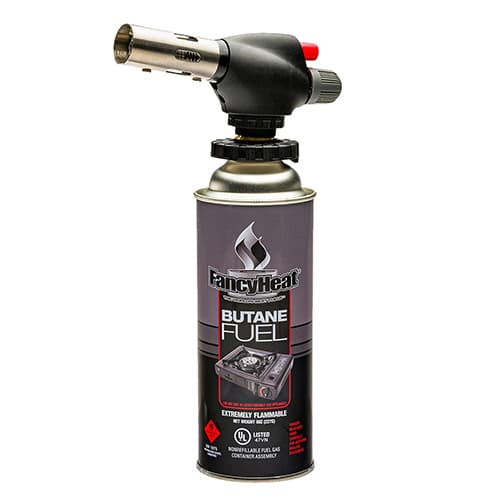
Fuel-based chafing dishes burn gel or liquid chafing fuel in canisters beneath the water pan. They’re portable and require no electricity, making them ideal for outdoor events or venues without adequate outlets. Replace fuel cans every 2-3 hours during service.
Electric chafing dishes plug into standard outlets and provide consistent, adjustable heat. They eliminate the need for disposable fuel but require access to power and create cord management challenges in buffet layouts.
Induction chafing dishes sit on induction heating plates and offer superior temperature control with no open flame. They’re the most energy-efficient option but require induction-compatible pans and specialized equipment.
Proper Setup and Safety
Fill the water pan approximately two-thirds full with hot water before lighting the fuel or turning on electric heat. Never let the water pan run dry during service—this causes food to scorch and can damage the equipment. Check water levels hourly during extended buffet service.
Position chafing dishes on stable surfaces away from table edges. Keep fuel canisters away from drafts that can cause uneven heating or extinguish flames. Always use the lid when not actively serving to retain heat and moisture.
Historical Context
The term “chafing dish” comes from the French “chauffer,” meaning “to make warm,” not from the English word “chafing” (rubbing). Archaeologists found early versions in the ruins of Pompeii, and American colonial inventories from the 1600s list chafing dishes among household equipment.
During the late 1800s and early 1900s, chafing dishes enjoyed peak popularity for tableside cooking in wealthy households. Fannie Farmer published “Chafing Dish Possibilities” in 1898, featuring recipes specifically designed for tableside preparation. Modern professional use has shifted away from cooking to focus exclusively on food warming—manufacturers now explicitly warn against cooking in chafing dishes designed only for holding temperatures.
Commercial Applications
Hotels, caterers, and banquet facilities rely on chafing dishes for buffet service where food must stay at safe temperatures for hours. They’re essential equipment for wedding receptions, corporate events, and Sunday brunch service. The hotel pan sizing standard means food pans from your kitchen fit directly into chafing dish frames.
Bain-marie style chafing dishes with water jackets provide the most consistent temperature control for delicate items like hollandaise sauce or chocolate fondue. Standard rectangular chafers work better for high-volume items like scrambled eggs or pasta dishes.
Key Properties
Common Uses
Chafing dishes are essential equipment for buffet service, banquet halls, catering operations, and hotel breakfast service. Servers and catering staff use them to maintain safe food temperatures during extended service periods without continuing to cook the food. Common applications include wedding receptions (keeping entrees warm during multi-course service), corporate events (breakfast buffets with eggs and bacon), hotel banquets (holding multiple dishes at consistent temperatures), and outdoor catering (fuel-based models where electricity isn't available). Kitchen managers select chafing dish sizes based on guest count and menu items—full-size for main entrees, half-size for sides and desserts.
Sustainability
Electric and induction chafing dishes offer the most sustainable option by eliminating disposable fuel canisters that create ongoing waste. A single banquet event using fuel-based chafers can generate dozens of empty fuel cans. Electric models also provide more precise temperature control, reducing energy waste from overheating. However, reusable stainless steel chafing dishes of any heat type are more sustainable than disposable aluminum chafers, which are used once and discarded. Choose NSF-listed stainless steel units that will last years with proper care over single-use alternatives.