Char-Broiler
A char-broiler is a commercial cooking appliance consisting of gas or electric burners, heat radiants, and cast iron grates that deliver high-heat grilling to create sear marks and charred flavor on proteins and vegetables in professional kitchens.
A char-broiler is a commercial cooking appliance that uses high-heat grates to create distinctive sear marks and charred flavor on proteins and vegetables. It consists of three main components: gas or electric burners, radiants (metal shields or lava rock) that distribute heat upward, and cast iron grates that brand foods with characteristic grill marks. The system delivers heat through convection, conduction, and infrared radiation simultaneously.
Commercial char-broilers come in standard widths from 24 to 72 inches, increasing in 12-inch increments. Each burner typically outputs 15,000 to 30,000 BTU per hour, making a 36-inch model capable of 90,000-120,000 BTU total. This intense heat creates cooking surface temperatures that can vary by up to 400°F between hot and cool zones—useful for managing multiple orders at different doneness levels.
Types of Commercial Char-Broilers
Radiant char-broilers use angled metal shields positioned above the burners to absorb and redirect heat upward toward the cooking surface. This design protects burners from grease drippings while providing consistent infrared heat. Most professional kitchens choose radiant models for their durability and ease of cleaning.
Lava rock char-broilers feature porous ceramic tiles that sit above the burners, heating up to emit radiant energy. The lava rocks absorb drippings and vaporize them, adding smoky flavor but requiring more frequent replacement. These units deliver authentic grilled taste but need more maintenance than radiant types.
Countertop char-broilers are compact units designed for space-constrained operations like food trucks, snack bars, and small cafés. They typically span 24-36 inches and offer 2-3 burners. Freestanding floor models work for high-volume steakhouses and restaurants that grill as their primary cooking method.
Duty Ratings and Construction
Heavy-duty char-broilers feature thick steel construction, reinforced frames, and commercial-grade components built for constant use during multiple meal periods. Expect stainless steel exteriors, 3/4-inch thick cooking grates, and burners rated for 80,000+ hours. These units handle 200+ covers daily in steakhouses and busy grills.
Medium-duty models use slightly lighter gauge materials but still withstand full-service restaurant demands. They’re built for 100-150 covers per day and typically cost 30-40% less than heavy-duty equivalents. Light-duty char-broilers suit cafeterias, diners, and lower-volume operations doing occasional grilling.
Fuel Sources and Energy Considerations
Natural gas char-broilers are most common in commercial kitchens with existing gas lines, offering lower operating costs than propane in most regions. Propane (LP) models provide identical performance but require tank exchanges or refills. Electric char-broilers work where gas isn’t available but typically cost more to operate and may not achieve the same peak temperatures.
Char-broilers rank among the most energy-intensive kitchen equipment, consuming significant BTUs during extended service periods. Many operators install them under ventilation hoods rated for heavy grease production. The high heat and grease load require daily grate cleaning and regular professional hood cleaning to maintain safety and performance.
Selecting and Maintaining Grates
Cast iron cooking grids are standard on most commercial char-broilers because they retain heat well and create defined sear marks. The grates typically run front-to-back, allowing grease to drain into collection trays. Season cast iron grates regularly with high-heat cooking oil to prevent sticking and extend their lifespan.
Clean grates daily while still warm using a sturdy wire brush to remove stuck proteins and carbonized residue. Remove grates weekly for deep cleaning with oven and grill cleaners, then re-season before the next service. Well-maintained grates last 2-3 years in high-volume operations before needing replacement.
Usage in Professional Kitchens
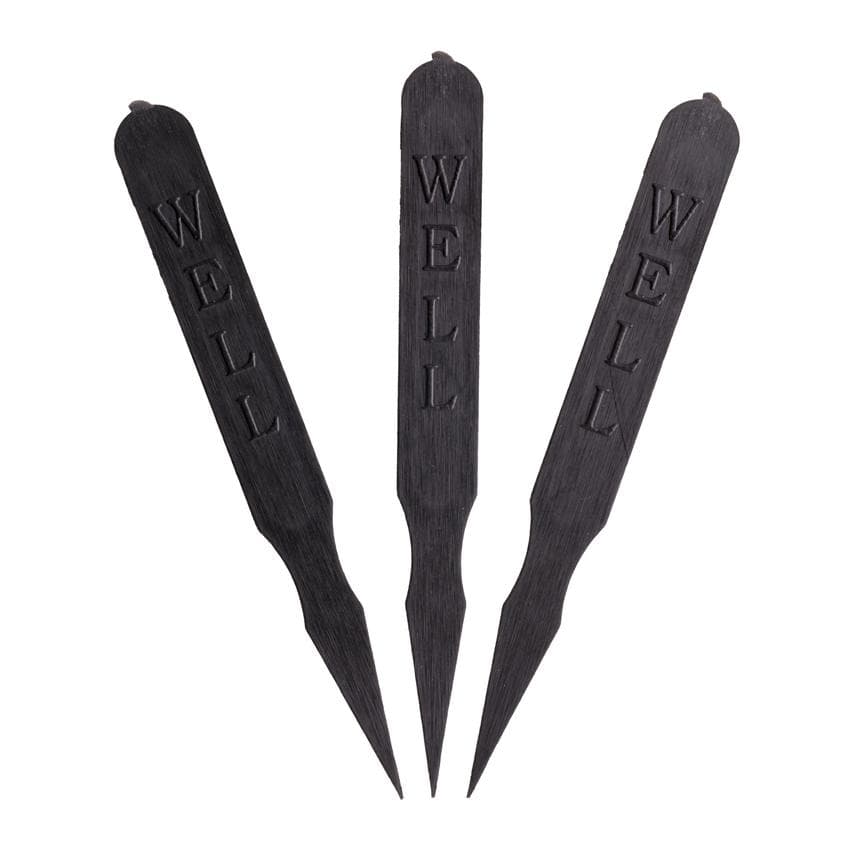
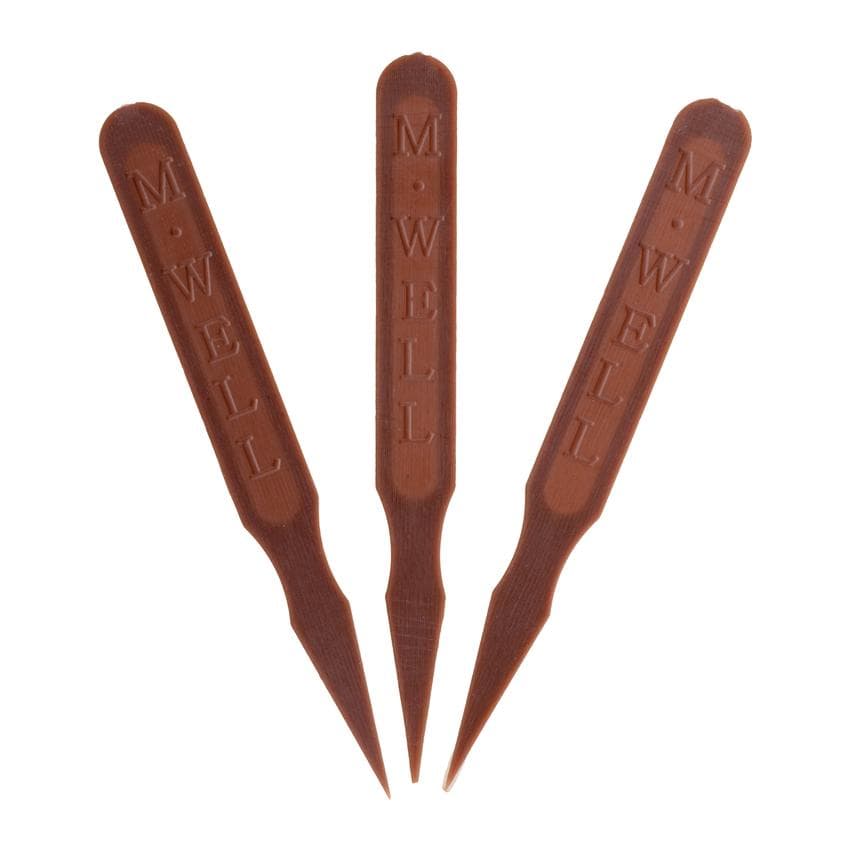
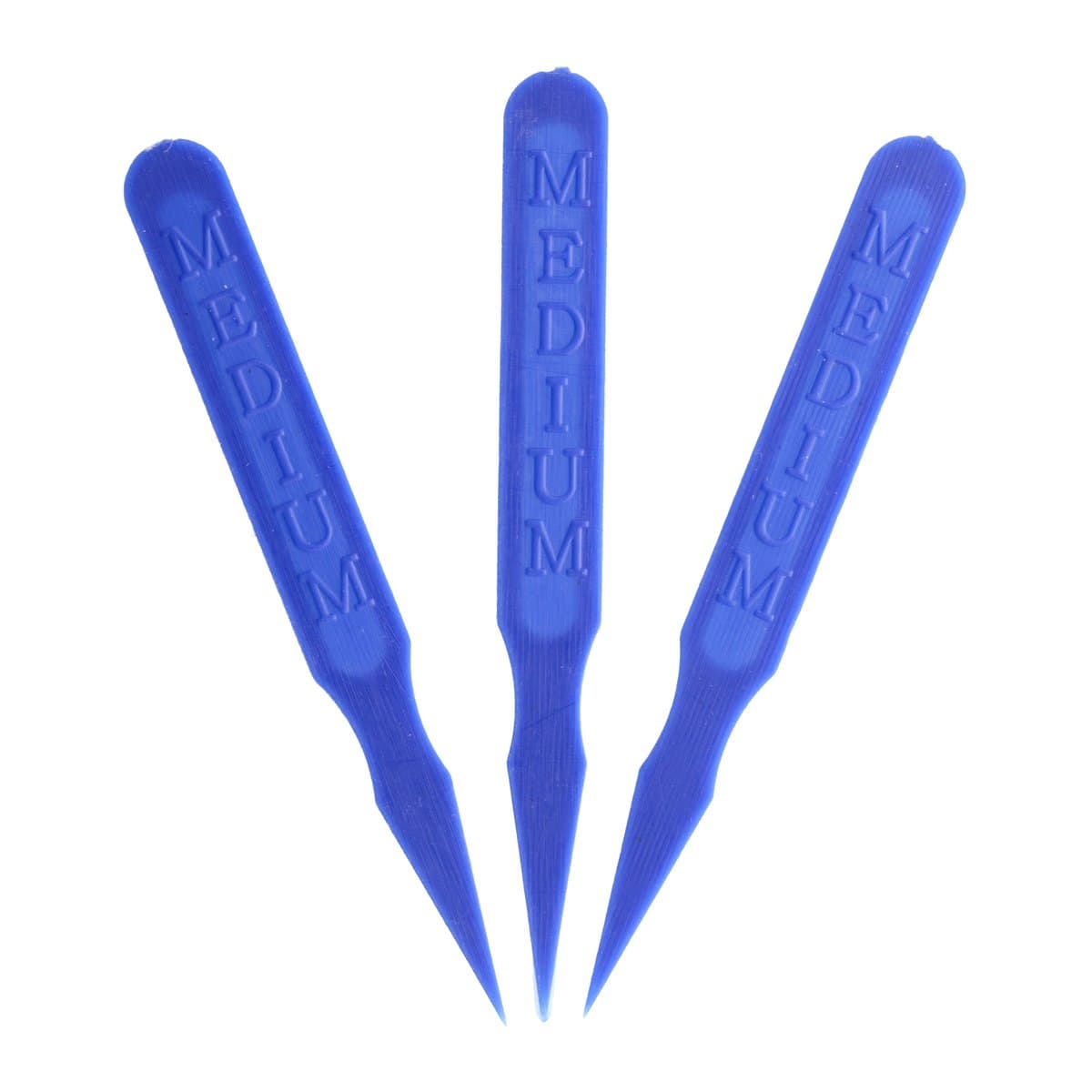
Line cooks rely on char-broilers for steaks, chops, chicken breasts, fish fillets, and vegetables that benefit from high-heat grilling. During service, the expo calls out tickets and the grill cook fires proteins according to ordered temperatures. Mise en place for the char-broiler station includes pre-seasoned proteins, portion-controlled cuts, and steak markers to track doneness.
Many kitchens use the char-broiler alongside a flat-top griddle to handle both grilled and sautéed items from the same station. A salamander overhead broiler often sits above the char-broiler to finish dishes with melted cheese or caramelized toppings. This combination provides maximum flexibility during busy dinner service.
Key Properties
Common Uses
Char-broilers are the primary cooking equipment for steakhouses, burger joints, and restaurants featuring grilled proteins as signature items. Line cooks use them throughout lunch and dinner service to grill steaks, chops, chicken breasts, fish fillets, burgers, and vegetables. During busy periods, a single 48-inch char-broiler can handle 8-12 simultaneous orders across different doneness levels. Kitchen managers often position char-broilers on the hot line between sauté stations and the pass, allowing grill cooks to communicate directly with the expo about ticket times. Steakhouses may dedicate an entire station to the char-broiler with a specialized grill cook who does nothing but manage proteins during peak service.
Sustainability
Char-broilers are among the most energy-intensive pieces of commercial cooking equipment, consuming 15,000-30,000 BTU per burner hourly during operation. A typical 36-inch model running at full capacity during a four-hour dinner service can consume 360,000-480,000 BTU total. Operators can reduce energy waste by lighting only the burners needed for current volume, installing Energy Star-rated models where available, and maintaining proper airflow to prevent burners from working harder than necessary. Regular cleaning of burners and radiants maintains combustion efficiency. Some newer infrared models claim 30-40% better energy efficiency compared to traditional radiant designs, though upfront costs run higher.