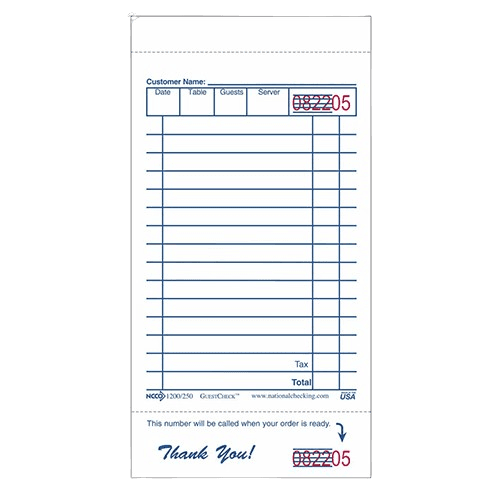
Check Average
Check Average (also called Average Ticket or Average Spend) is a key restaurant performance metric representing the average dollar amount spent per transaction or party visit, calculated by dividing total sales revenue by the number of transactions within a specific time period.
Check average is the average dollar amount spent per transaction or party visit at a restaurant. Calculate it by dividing total sales revenue by the number of transactions within a specific time period. For example, $50,000 in sales divided by 2,500 transactions equals a $20 check average.
Modern POS systems automatically calculate this metric across daily sales reports, server reports, and Z-reports. The calculation appears alongside labor cost, food cost, and covers as a core restaurant KPI that operators review daily.
Check Average vs Cover Average
Check average measures spending per party or table, while cover average measures spending per individual guest. A table of four people represents one check but four covers. This distinction matters when analyzing guest behavior — high check average with low cover count indicates larger parties, while high cover average with lower check average suggests individual guests spending more.
Quick-service restaurants typically track check average because they process individual transactions. Full-service restaurants often track both metrics to understand party size trends and per-person spending patterns.
Industry Benchmarks
Target check averages vary significantly by restaurant segment. Fine dining establishments typically range from $50 to $150+ per check. Casual dining restaurants average $15 to $25. Quick-service restaurants usually fall under $12.
These numbers shift based on location, daypart, and day of week. Dinner checks typically exceed lunch checks by 30-50%. Weekend checks often run 20-30% higher than weekday checks in casual and upscale dining.
Using Check Average for Revenue Strategy
Track check average by time period, server, and customer segment to identify revenue opportunities. A lunch check average consistently lower than dinner suggests untapped upselling potential during daytime service. Server-level check average comparisons reveal which staff members excel at suggestive selling.
Menu engineering relies on check average data to optimize menu mix and pricing. Compare theoretical cost against actual check average to verify that menu prices drive target profit margins. If check average falls below projections, the issue typically stems from discounting, comps, or missed upselling opportunities.
RevPASH calculations build on check average by factoring in table turn time, providing a more complete picture of per-seat revenue generation. Use both metrics together when evaluating operational efficiency.
Increasing Check Average
Train staff to suggest specific pairings — “Our house-made truffle fries pair perfectly with that burger” — rather than generic upsells. This approach increases check average by $3-5 per transaction in casual dining settings. Implement pre-shift meetings to highlight high-margin add-ons and daily specials.
Menu design influences check average through strategic placement of premium items and add-ons. Feature appetizers in prominent menu positions and train servers to suggest desserts immediately after clearing entree plates. Bundle offers like “add a soup or salad for $4” create perceived value while lifting check average.
Track upselling effectiveness by comparing individual server check averages. Pair high-performing servers with newer staff during training shifts to demonstrate effective techniques in action.
Common Uses
Restaurant operators review check average daily alongside other core KPIs when analyzing business performance. General managers compare check averages across dayparts (lunch vs dinner) and days of week to identify revenue patterns and adjust staffing or menu offerings accordingly.
Floor managers use server-level check average reports to evaluate upselling effectiveness and identify training opportunities. Servers with consistently higher check averages often mentor newer staff on suggestive selling techniques.
Finance teams incorporate check average projections into revenue forecasting models, combining it with projected cover counts to estimate future sales. Menu planners reference check average data when testing new pricing structures or evaluating the impact of menu changes on overall spending patterns.