Chilling
Chilling is the process of cooling food to refrigeration temperatures (typically 33°F-42°F or 1°C-8°C) above its freezing point to slow microbial growth and chemical reactions while preserving sensory and nutritional properties.
Chilling is the process of cooling food to refrigeration temperatures (typically 33°F-42°F or 1°C-8°C) above its freezing point to slow microbial growth and preserve quality. The FDA Food Code requires all potentially hazardous foods—including dairy, proteins, cut produce, and cooked items—to be held at 41°F or below to prevent bacterial multiplication in the danger zone.
Why Proper Chilling Matters
Chilling is one of the four fundamental principles of food safety in commercial kitchens, known as the 4 Cs: Cleaning, Cooking, Chilling, and Cross-Contamination. USDA research shows bacteria can double every 20 minutes between 41°F and 135°F, making rapid cooling critical.
Proper chilling reduces time food spends in the danger zone by up to 80%, extending shelf life by 3-5 days while maintaining texture, flavor, and nutritional value. However, chilling only slows microbial growth—it does not kill bacteria—so time and temperature monitoring remain essential.
The Two-Step Cooling Process
FDA guidelines mandate a specific cooling timeline for hot foods. First, cool food from 135°F to 70°F within 2 hours. Then complete the process by bringing it from 70°F to 41°F within an additional 4 hours, for a total cooling window of 6 hours maximum.
Blast chillers are specialized equipment designed to meet these requirements by circulating chilled air to rapidly cool food—often achieving safe temperatures within 90 minutes. This speed passes food through the danger zone 80% faster than standard refrigeration, significantly reducing bacterial growth risk.
Best Practices for Fast Chilling
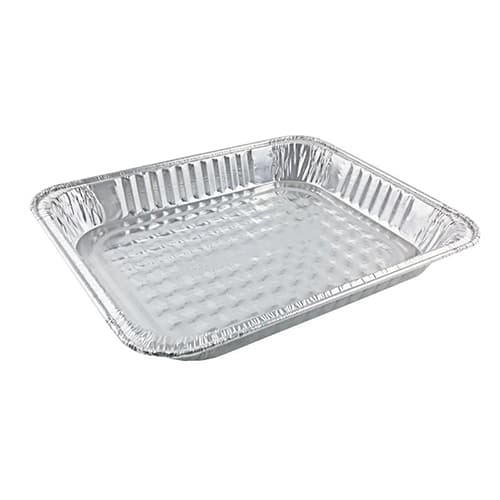
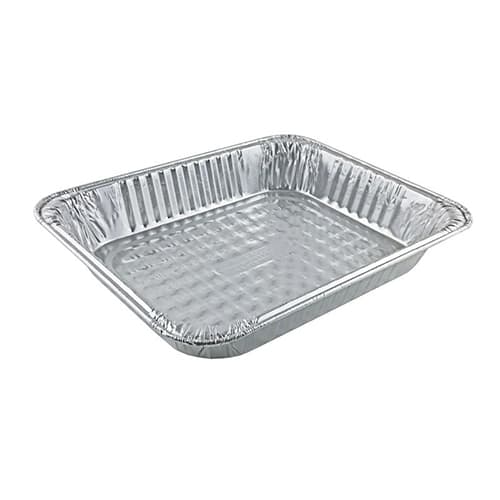
Use shallow hotel pans to maximize exposed surface area. Half-size shallow steam table pans allow heat to dissipate faster than large, deep containers, helping you meet FDA time requirements consistently.
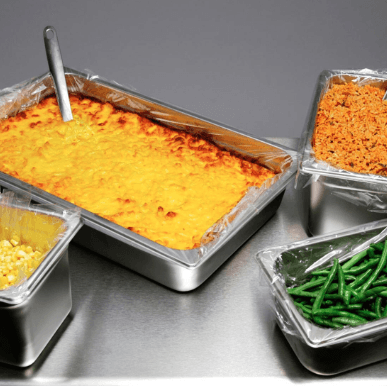
Divide large batches into smaller portions before chilling. Store food in sealed, labeled containers with opening dates, and maintain consistent refrigeration temperatures throughout storage. Pan liners help maintain hygiene during the chilling process and prevent cross-contamination.
The Cook-Chill Process
Cook-chill is a production method involving fully cooking food in bulk, rapidly chilling it to below 40°F (typically 3°C) within 90 minutes, then storing it for up to 5 days at controlled temperatures before reheating for service. This system is widely used for batch preparation of proteins, sauces, soups, and starches.
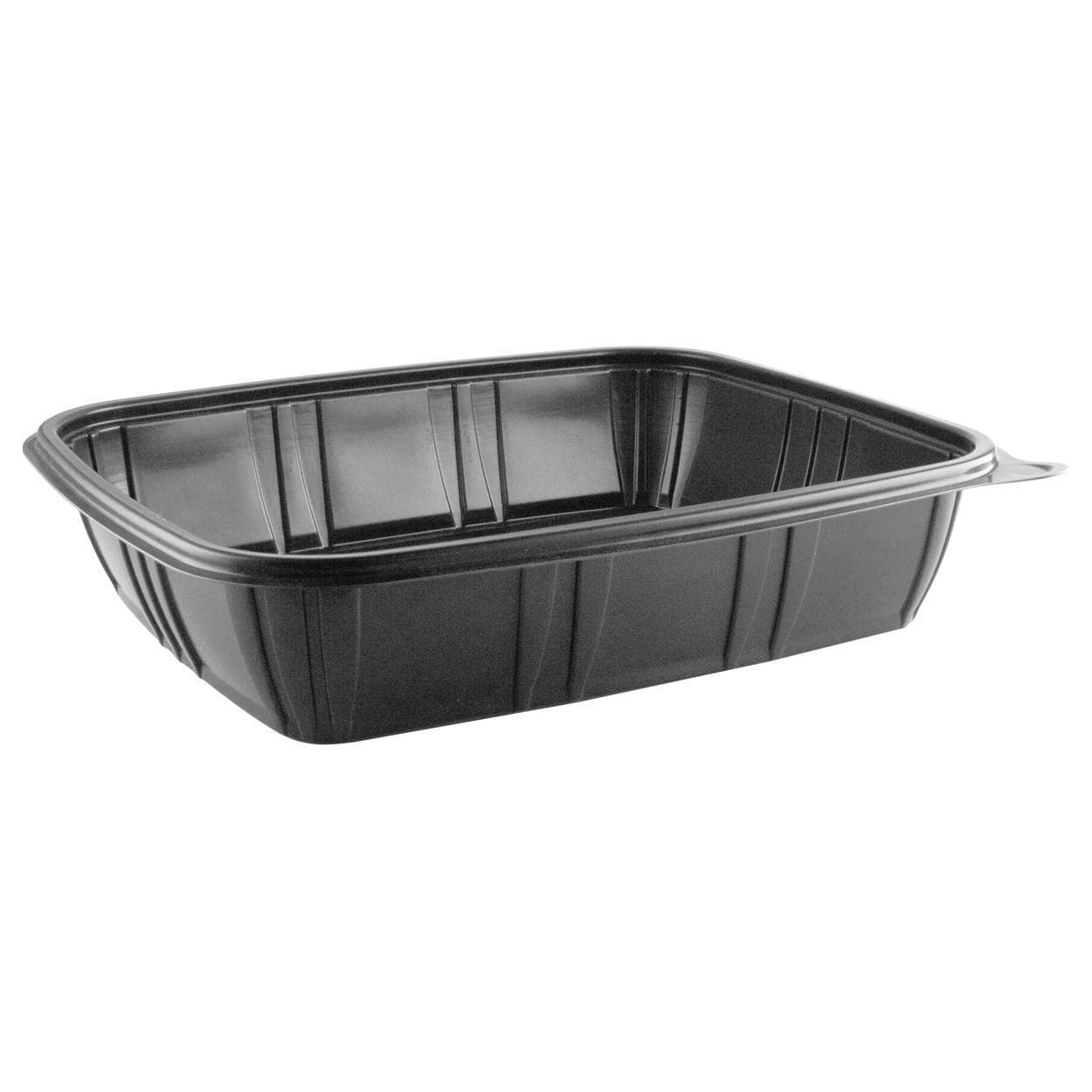
Medium-depth hotel pans are commonly used in cook-chill operations for batch preparation and rapid cooling. The process improves kitchen efficiency, reduces energy consumption per meal, and minimizes product loss from evaporation compared to traditional cooling methods.
Chilling vs. Freezing
Chilling keeps food above its freezing point without forming ice crystals or changing texture. Freezing occurs at 0°F or below, solidifying liquids and forming ice crystals that can damage food structure. Choose chilling for short-term storage (up to 5 days) when you want to maintain original texture and quality.
Common Uses
Chilling is used daily in commercial kitchens to safely cool hot prepared foods after cooking, store perishable ingredients, and maintain cold holding temperatures for service. Kitchen managers reference the two-step cooling process during HACCP compliance checks and temperature logs. Chefs use blast chillers for cook-chill batch preparation systems, allowing them to prepare proteins, sauces, and sides days in advance while maintaining quality. The term appears in food safety training, health inspections, and standard operating procedures as one of the 4 Cs of food safety (Cleaning, Cooking, Chilling, and Cross-Contamination).