Deep Clean
Deep clean is a comprehensive, top-to-bottom restaurant sanitation process that goes beyond routine daily cleaning to target hidden grime, grease buildup, and hard-to-reach contamination hotspots, involving disassembly of kitchen equipment and sanitization of areas typically missed in daily cleaning routines.
Deep clean is a comprehensive, top-to-bottom restaurant sanitation process that targets hidden grime, grease buildup, and hard-to-reach contamination hotspots beyond routine daily cleaning. This intensive procedure involves disassembling kitchen equipment, moving heavy appliances, and sanitizing areas typically missed in daily routines—including vent hoods, grease traps, behind fryers, and underneath storage shelves.
Why Deep Cleaning Matters for Foodservice Operations
91% of diners say they would avoid eating at a restaurant with a health code violation, and nearly one-third would never return to a visibly dirty establishment. Deep cleaning prevents foodborne illness by eliminating bacterial reservoirs that daily cleaning cannot reach. Health inspectors intensify checks on cleaning violations including moldy ice machines, dirty wiping cloths, and grease-laden hood vents—issues that comprehensive deep cleaning addresses.
The FDA Food Code recommends that food-contact surfaces be cleaned and sanitized frequently, especially when switching between tasks or ingredients, to prevent cross-contamination. Deep cleaning programs must align with HACCP principles to maintain food safety critical control points.
Deep Cleaning vs. Daily Cleaning Tasks
Daily cleaning maintains surface-level hygiene and handles routine sanitation tasks completed during closing duties. Deep cleaning targets hard-to-reach areas, involves disassembling equipment, and removes built-up grime and bacteria that daily tasks cannot address.
Unlike routine cleaning with sanitizer buckets and wiping cloths, deep cleaning requires specialized procedures: descaling equipment, boiling out fryers, cleaning refrigerator coils, sanitizing ice machines, scrubbing walls and ceilings, and professional hood and exhaust system cleaning. Equipment like three-compartment sinks themselves require periodic deep cleaning beyond their daily sanitizing role.
Deep Cleaning Frequency and Scheduling
Deep cleaning should be scheduled on a structured basis—weekly or monthly depending on restaurant volume and cuisine type. Busier kitchens need multiple deep cleaning sessions per week for certain areas like fryer stations and prep surfaces, while comprehensive facility-wide deep cleans are typically scheduled monthly.
High-volume establishments like fish and chip shops need more frequent attention than lower-volume operations. Many restaurants hire professional services for quarterly or semi-annual tasks like hood and exhaust system cleaning, which local health departments often require at least every 6 months.
Essential Deep Cleaning Areas
Comprehensive deep cleaning covers kitchen equipment (ovens, grills, fryers, refrigeration units), ventilation systems (hoods, ducts, exhaust fans), grease traps, floors behind and under equipment, walls and ceilings, storage areas, ice machines, and walk-in coolers and freezers. These areas accumulate grease, food particles, and bacteria that can compromise food safety and attract pests.
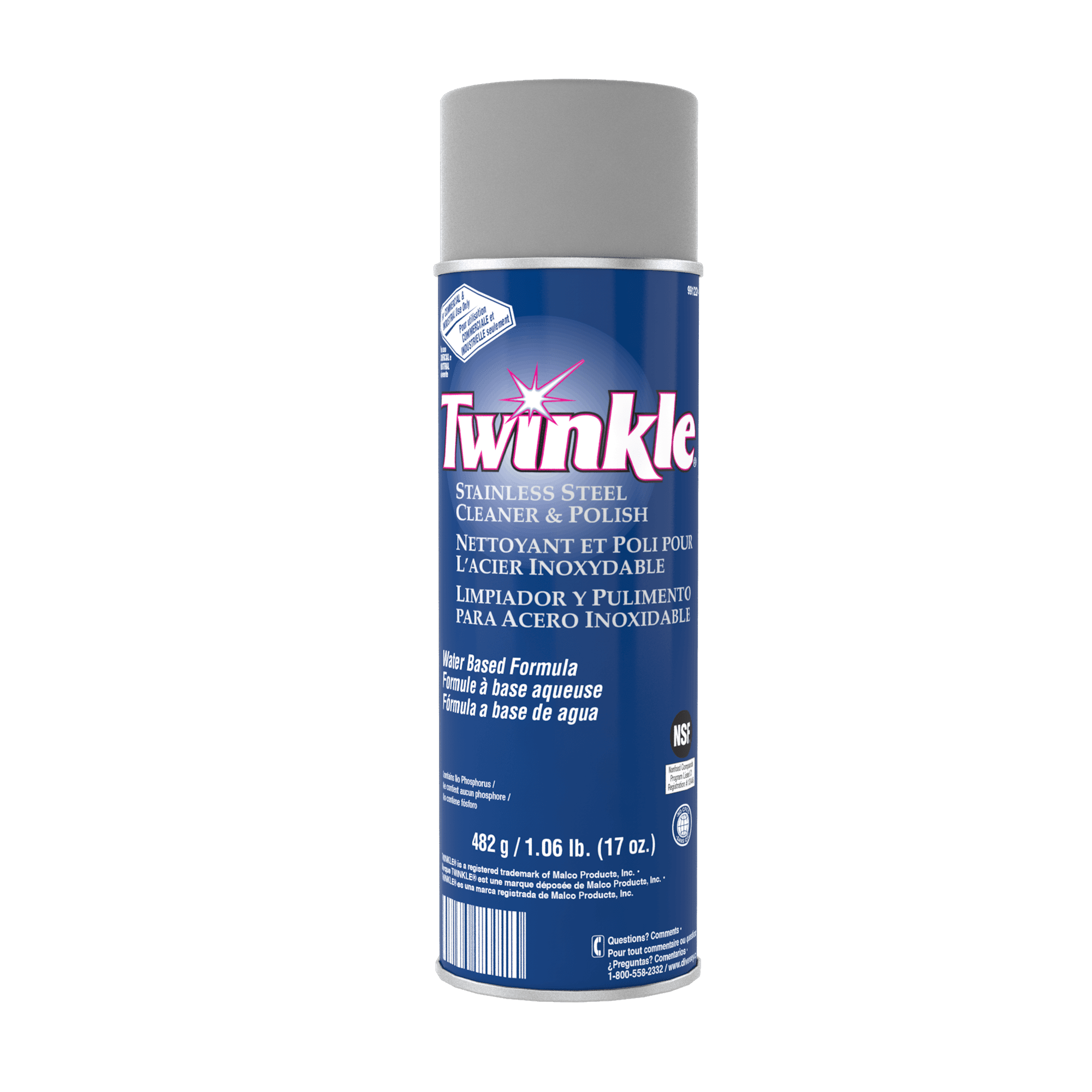
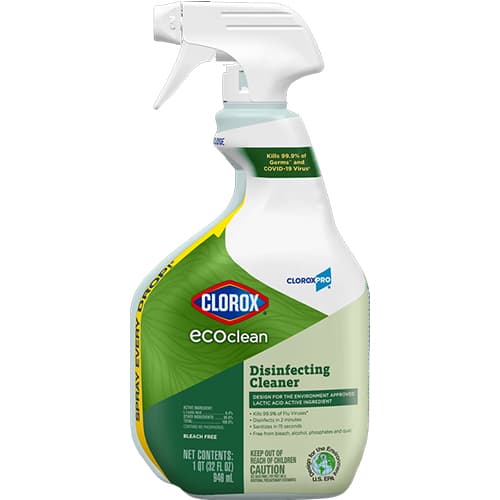
Professional-grade cleaning supplies are essential for effective deep cleaning. Heavy-duty wipers, specialized degreasers, and food-safe surface sanitizers (quaternary ammonium, bleach at 100 ppm, or enzyme-based solutions) ensure thorough sanitization while following environmental safety protocols. Housekeeping and cleaning supplies specifically designed for commercial kitchens provide the durability needed for intensive cleaning sessions.
Health Inspection Compliance
Deep cleaning programs are critical for passing health inspections and maintaining compliance with food safety regulations. CDC guidelines and local health department regulations require documented cleaning schedules and procedures for high-risk areas.
Professional deep cleaning services ensure compliance with fire safety and health regulations while allowing staff to focus on daily operations. These specialists have the equipment and expertise to meet regulatory standards for exhaust system cleaning, grease removal, and sanitization verification.
Operational and Sustainability Benefits
Deep cleaning extends equipment lifespan and improves operational efficiency, reducing the need for premature replacement. Properly maintained equipment consumes less energy by operating at peak performance—clean refrigerator coils, descaled steamers, and grease-free ovens all run more efficiently.
Regular deep cleaning prevents costly equipment breakdowns and reduces fire hazards from accumulated grease in ventilation systems. The practice of working clean during service hours complements scheduled deep cleaning by maintaining baseline cleanliness between intensive sessions.
Key Properties
Common Uses
Deep cleaning is performed in commercial kitchens, restaurants, cafeterias, and foodservice facilities to maintain food safety standards and pass health inspections. High-volume operations use deep cleaning for fryer boil-outs, descaling steamers and dishwashers, sanitizing ice machines, cleaning walk-in coolers and freezers, removing grease from exhaust systems, scrubbing walls and ceilings, and sanitizing food preparation surfaces. Facilities schedule deep cleaning during slow periods or closure days to allow adequate time for equipment disassembly, cleaning, and reassembly. Professional cleaning services handle quarterly hood and duct cleaning, while staff typically manage weekly and monthly deep cleaning tasks.
Sustainability
Deep cleaning programs support sustainability by extending equipment lifespan and improving energy efficiency. Clean refrigerator coils, descaled heating elements, and grease-free ventilation systems operate at peak performance, reducing electricity and gas consumption. Preventing premature equipment failure through regular deep cleaning reduces waste from discarded appliances and packaging from replacement parts. Food-safe sanitizers like quaternary ammonium compounds and properly diluted bleach solutions (100 ppm) meet EPA environmental safety standards while effectively eliminating pathogens. Enzyme-based cleaners offer biodegradable alternatives for grease removal, reducing environmental impact while maintaining food safety compliance.