Garnish
A garnish is an edible item or substance used to decorate and enhance a prepared food dish or drink, often adding contrasting flavor, color, or texture as a finishing touch.
A garnish is an edible item or substance used to decorate and enhance a prepared dish or drink, often adding contrasting flavor, color, or texture. In professional kitchens, garnishes serve as the final touch that transforms a plated dish from functional to visually appealing, following the principle established by French culinary pioneer Auguste Escoffier in the 19th century: “a dish must first satisfy the eye before pleasing the palate.”
The Role of Garnishes in Professional Kitchens
Garnishes fulfill four essential functions in restaurant service. They enhance visual appeal by adding color contrast and artistic elements that make dishes more appetizing. They provide flavor enhancement through complementary tastes and textures that accent the main dish. They indicate ingredients by hinting at flavors present in the dish itself—a sprig of rosemary on lamb suggests the seasoning within. Finally, they demonstrate professionalism, showcasing a kitchen’s attention to detail and commitment to complete presentations.
Fresh herbs like parsley, cilantro, and basil remain the most common garnishes, offering bursts of color and freshness as chopped sprinkles, torn leaves, or whole sprigs. Other popular options include citrus wedges and zest, vegetable carvings, edible flowers, microgreens, and decorative sauce applications. Each garnish should complement the dish’s flavor profile while maintaining visual harmony on the plate.
Garnish vs. Garniture: Understanding the Distinction
In classical French cooking, garniture refers to ingredients added during or near the end of cooking that become integral parts of the dish—such as pearl onions and mushrooms in coq au vin. Garnish, by contrast, represents a finishing step where ingredients are placed on top specifically for color, texture, and visual appeal. This distinction matters in professional kitchens where precision in culinary terminology ensures clear communication during service.
The Edibility Rule
The critical difference between garnish and decoration lies in edibility. Garnishes must always be edible in professional culinary practice. The plastic grass used for sushi presentations, while decorative, is not a garnish—it’s a decoration. This standard maintains both food safety expectations and professional integrity, ensuring customers can consume every element placed on their plates.
Essential Garnishing Tools
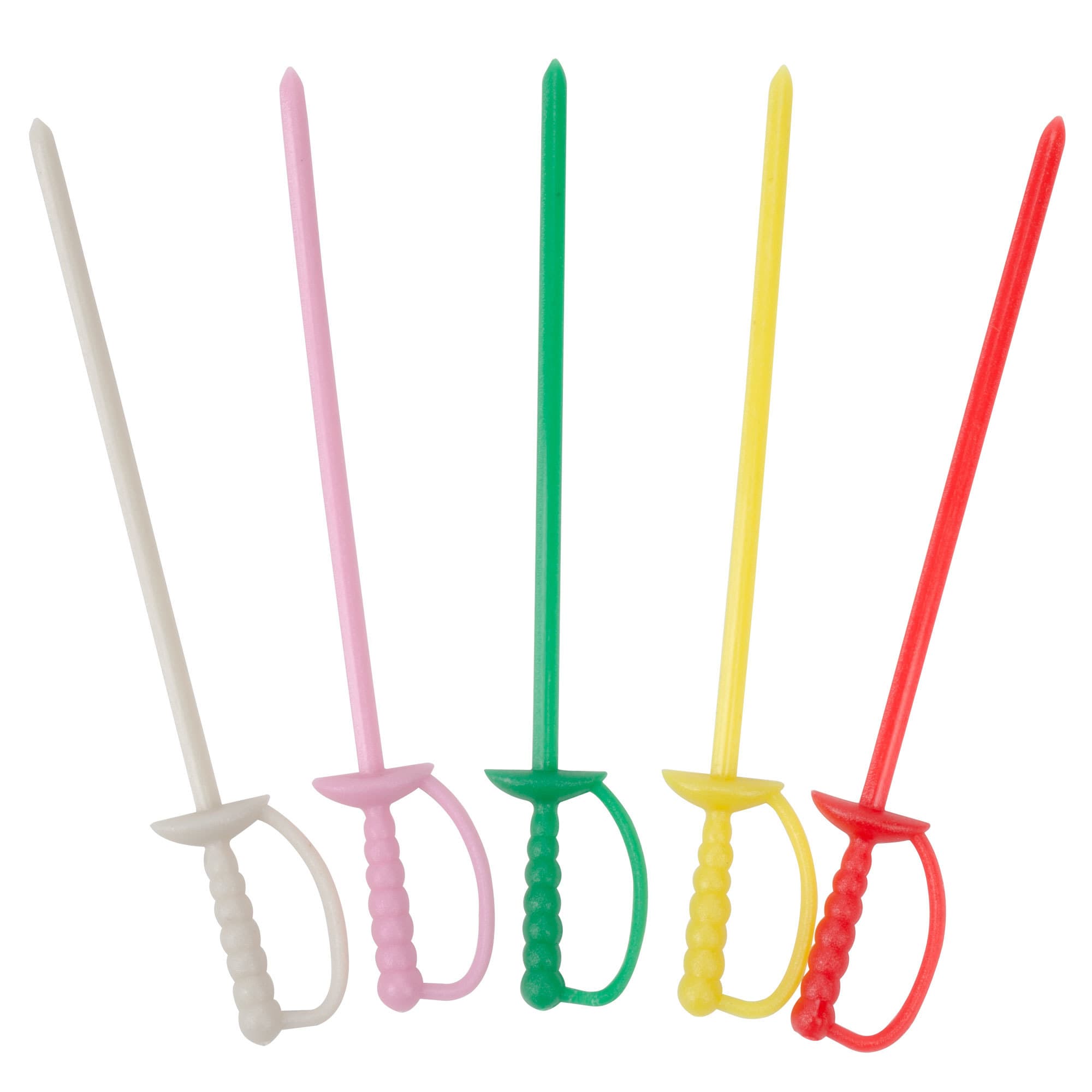
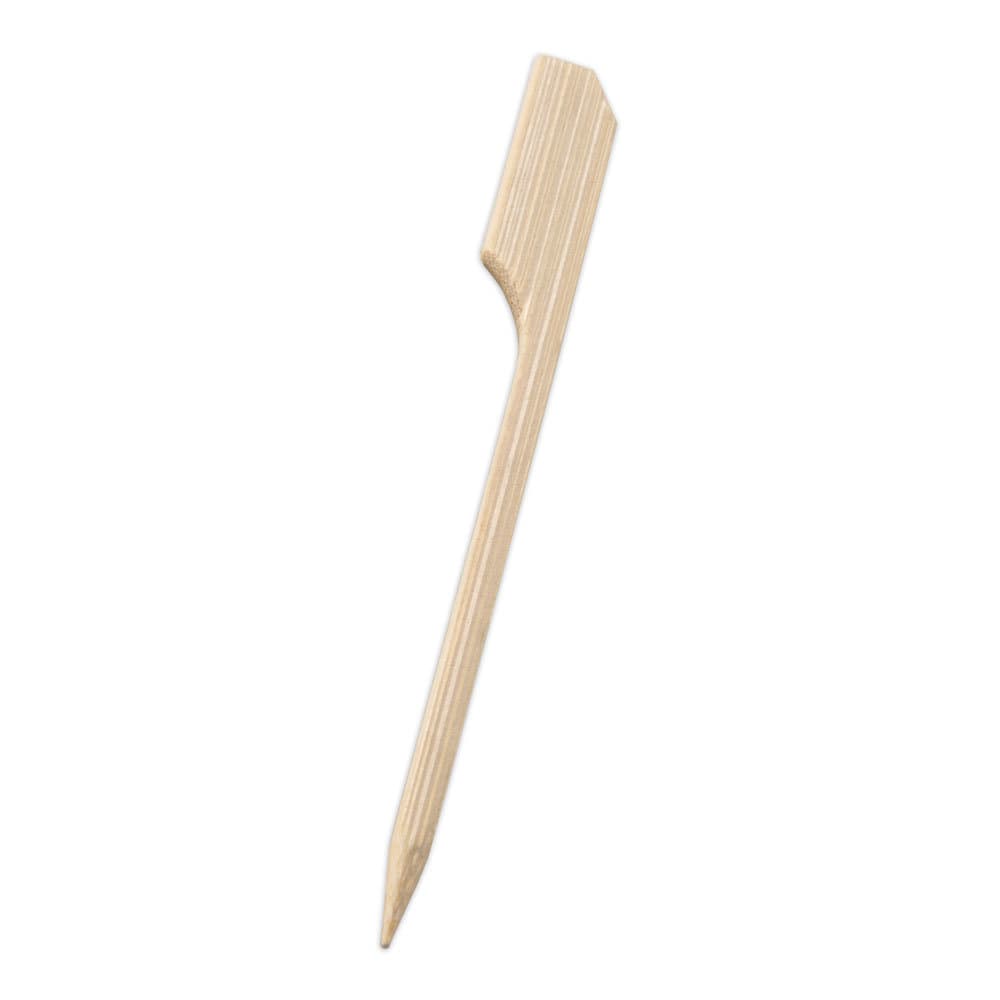
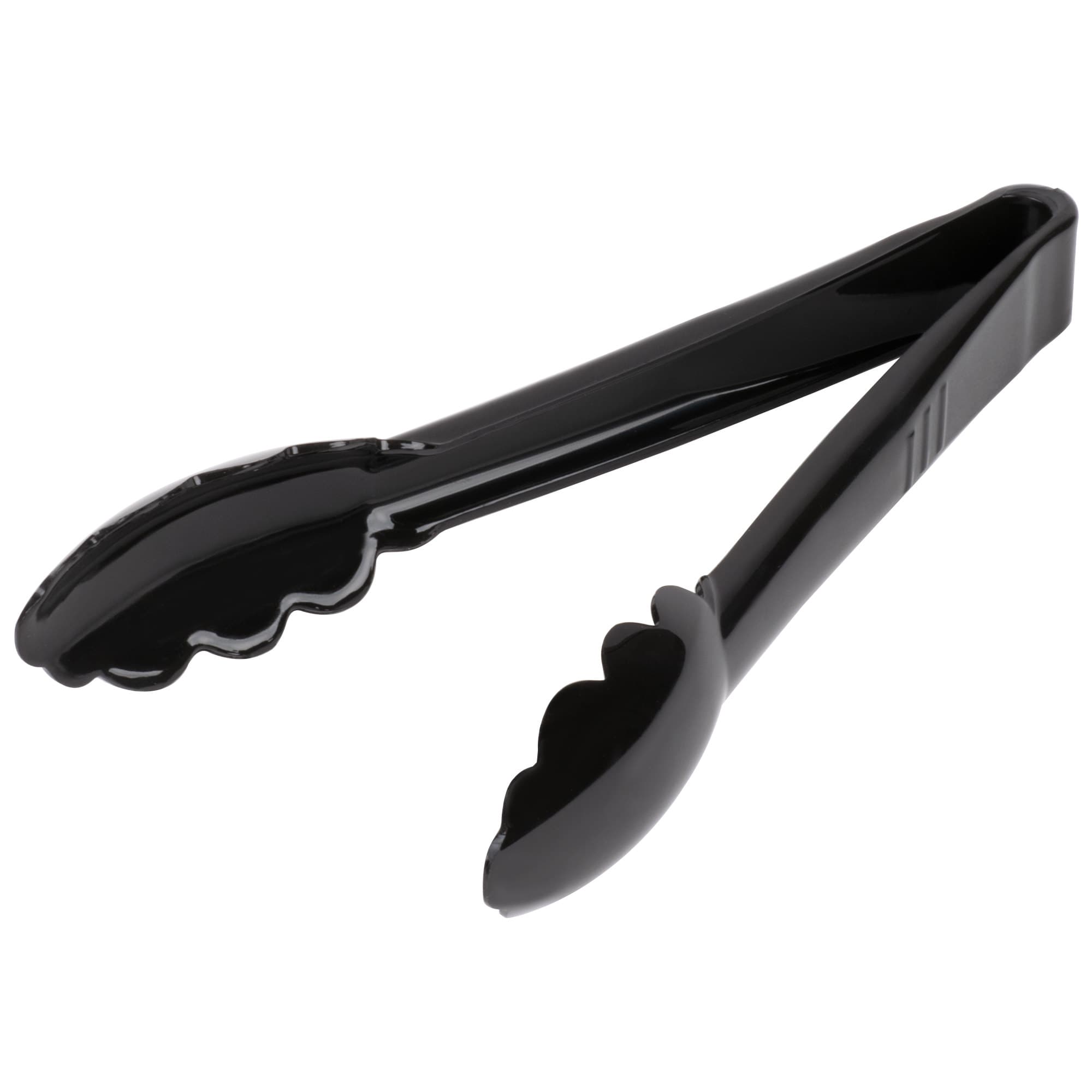
Creating effective garnishes requires specific tools. Chef’s knives and paring knives handle most cutting tasks, while graters create citrus zest and fine shavings. Skewers and toothpicks secure garnish elements like fruit pieces and appetizers. Parchment cones pipe sauces and purees for decorative applications. Utility tongs allow precise placement of delicate garnishes without damaging carefully plated presentations.
For catered events and buffet service, catering supplies often include specialized garnishing tools and serving pieces. Many operations keep dedicated garnish prep stations stocked with kitchen prep essentials to maintain consistency across all plated dishes.
Historical Context
The practice of garnishing dates back to ancient civilizations, where food presentation symbolized wealth and status. Ancient Rome featured elaborate garnishes at lavish feasts to showcase food abundance. The culinary term itself emerged in the 1670s, derived from the Anglo-French word “garnir,” meaning “to adorn.” The modern professional standard for garnishing, however, was established by Escoffier in the late 19th century as part of his systematization of French cuisine.
Who Handles Garnishing
Chefs, line cooks, and kitchen assistants all participate in garnish preparation and application, depending on the establishment’s structure. The task requires creativity, precision, and understanding of flavor profiles. In high-volume operations, one station may handle garnish prep for multiple lines, while fine dining kitchens often assign garnishing to the chef plating each specific dish. Sauce garnishes stored in ramekins alongside main dishes require coordination between stations to ensure timely service.
Common Uses
In professional kitchens, garnishes are applied during the final plating stage, just before dishes leave the pass. Line cooks and chefs use the term when calling for finishing touches: "needs garnish" or "garnish station, three herb sprigs." Fine dining establishments emphasize garnishing as part of the chef's signature presentation style, while casual restaurants focus on simple, consistent garnishes that can be executed quickly during high-volume service. The term also appears in beverage service—bartenders garnish cocktails with citrus wheels, herbs, or decorative picks to complete drinks. Catering operations often prepare garnishes in advance, storing components separately and applying them just before service to maintain freshness and appearance.