In-Room Dining
In-room dining is a hospitality service that provides meal delivery directly to hotel guest rooms, offering privacy and convenience through professional tray service, temperature-controlled food transport, and formal presentation standards.
In-room dining (also called room service) is a hospitality service that delivers meals directly to hotel guest rooms, providing privacy and convenience without guests leaving their accommodations. The service typically operates 24/7 in large properties, offering everything from breakfast in bed to full dinner service and lobby store snacks, with each type varying in menu complexity, staff requirements, and operational hours.
How In-Room Dining Operations Work
The in-room dining department layout includes an order-taking desk with POS system, kitchen or preparation area, tray setup/staging area, dispatch area, linen/tray collection area, and quality control station. This configuration supports the workflow from order placement through delivery and collection.
Standard delivery times typically range from 30-45 minutes depending on kitchen volume. Hotels must communicate realistic delivery times upfront based on current capacity. Trays and service items are typically removed within 35-45 minutes after serving unless the guest requests a different time.
Food Safety and Temperature Requirements
Hot foods must be served at temperatures above 60°C (140°F) for safety, while cold items must be properly chilled. All hot and cold food is covered with plate covers during transport to maintain correct temperatures and protect food quality during hallway transit.
These temperature standards are critical for both food safety compliance and guest satisfaction, requiring specialized equipment that maintains thermal control throughout the delivery process.
Tray Setup and Presentation Standards
Proper tray setup requires clean appropriately sized trays with liners, systematic arrangement of plates/cutlery/glasses/condiments, polished utensils, and napkins to prevent spillage during transport. Equipment must be portable and durable to withstand constant movement between kitchen and guest floors.
For more elaborate orders, table setup includes rolling tables or trolleys, freshly laundered tablecloths, standard dining setup following the menu, and optional decorative elements like flowers or candles for romantic occasions or special requests.
Service Protocol and Guest Interaction
Delivery staff must follow specific service etiquette: knock three times and announce “Room Service,” wait 10 seconds before knocking again, ask permission to enter, offer setup location preferences, and use guest names throughout service. These protocols align with Three Steps of Service standards (warm welcomes, use of guest names, sincere closings) used across major hotel brands.
Associates must be specially trained to work independently without supervision while maintaining brand-specific standards from major hotel groups like Marriott, Hilton, IHG, and Accor. W Hotels and Ritz-Carlton have particularly detailed standards emphasizing emotional engagement and service recovery.
Sustainable Packaging for In-Room Dining
Modern in-room dining increasingly uses eco-friendly packaging materials including plant-based plastics, paper-based laminates, and post-consumer recycled content. Hotels use compostable cutlery and biodegradable containers to reduce single-use plastic waste.
73% of global travelers prefer eco-friendly accommodations according to industry data, driving hotels to adopt sustainable packaging that aligns with LEED and Green Key certifications. Premium properties increasingly use refillable dispensers and reusable service ware rather than disposable items.
Equipment and Supply Requirements
Essential equipment includes trays with liners, plate covers for temperature maintenance, polished cutlery, spotless glassware, folded napkins, condiment containers, and rolling tables or trolleys for larger orders. All items must withstand frequent transport and washing cycles.
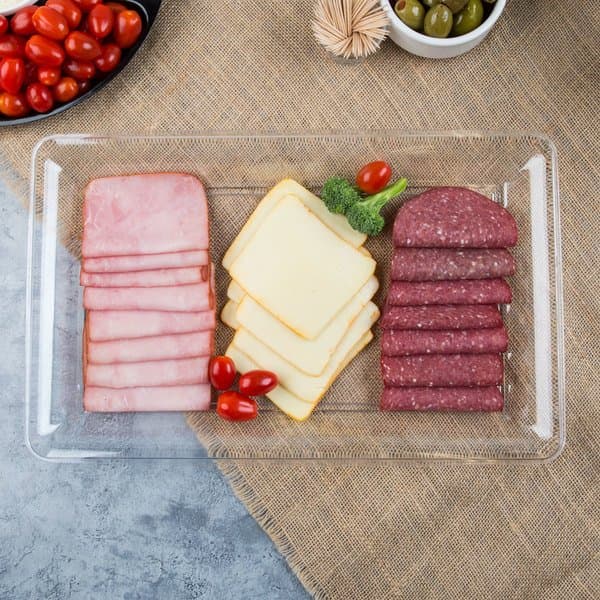
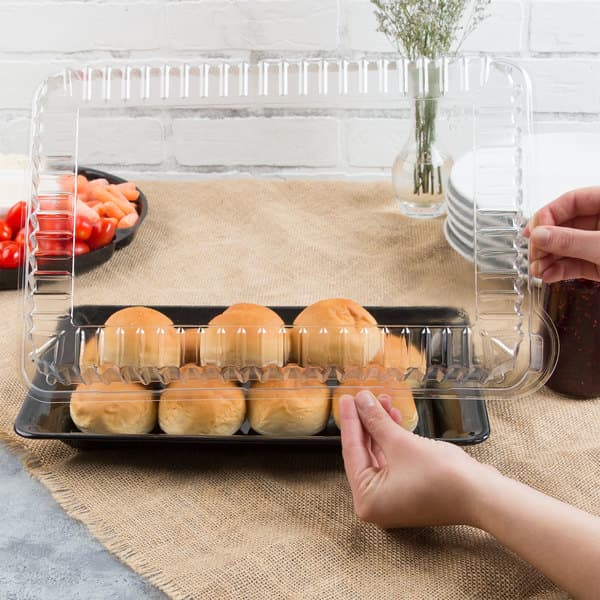
Decorative elements like candles and fresh flowers enhance premium service presentations. Catering supplies including dome lids and presentation trays organize multi-item orders for professional delivery.
Key Properties
Common Uses
In-room dining serves hotel guests who prefer private dining experiences, early morning breakfast service, late-night meals outside restaurant hours, business travelers working in rooms, families with young children, guests celebrating special occasions, and travelers seeking convenience after long flights. The service is standard in upscale and luxury hotels, with menu offerings ranging from continental breakfast to full multi-course dinners. Major hotel brands including Marriott, Hilton, IHG, and Accor maintain specific operational standards for in-room dining as part of their guest service commitments.
Sustainability
Sustainable in-room dining practices include compostable cutlery made from PLA (polylactic acid), biodegradable plate covers and food containers, recyclable tray liners, and reusable tablecloths and napkins. Hotels increasingly replace single-use plastics with plant-based alternatives, paper-based laminates, and post-consumer recycled materials. Premium properties use refillable dispensers for condiments and beverages rather than individual packets. These eco-conscious choices help hotels achieve LEED and Green Key certifications while meeting the preferences of 73% of global travelers who prioritize environmentally friendly accommodations. Proper waste separation protocols ensure compostable items reach appropriate disposal streams.
Related Products