Linen Drape
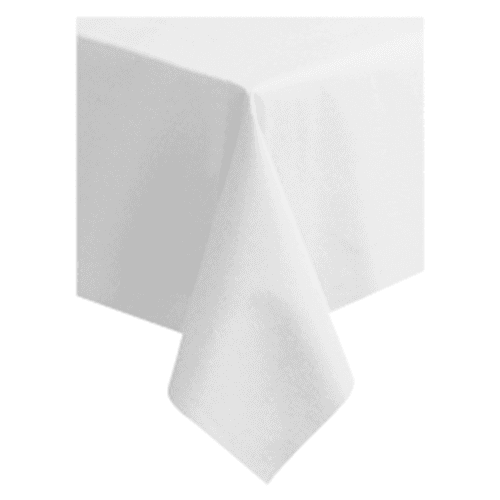
A linen drape is a fabric tablecloth or decorative textile draped over a banquet table, buffet station, or event surface, with the 'drop' referring to the length of fabric hanging below the tabletop edge on each side.
A linen drape is a fabric cloth draped over a banquet table, buffet station, registration desk, or staging surface to create a finished, professional presentation for events. The term refers specifically to how the fabric hangs from the tabletop edge down toward — or all the way to — the floor. Linen drapes serve two functions simultaneously: they conceal table hardware and surfaces while establishing the visual tone of the event.
How Linen Drape Sizing Works
The critical measurement is the drop — the length of fabric that hangs below the tabletop edge on each side. To calculate the correct tablecloth size, use this formula:
- Cloth Length = Table Length + (2 × Desired Drop)
- Cloth Width = Table Width + (2 × Desired Drop)
A standard banquet table stands 30 inches tall, so a full floor-length drop requires 29–30 inches of fabric on each side. For a 6-foot (72″) rectangular table with a 29″ floor-length drop, the required cloth length is 72″ + 58″ = 130 inches. A half-drop to seat level (approximately 14–15 inches) requires adding only 28–30 inches total to each dimension — appropriate for more casual setups or cocktail receptions.
Linen drapes are used across virtually every banquet surface type: standard 6- and 8-foot rectangular tables, 60- and 72-inch round tables, cocktail/highboy tables, head tables, buffet stations, and staging risers. Each surface requires its own size calculation.
Fabric Types and When to Use Each
Polyester and spun polyester are the workhorses of high-volume banquet operations. They’re machine washable, wrinkle-resistant, and hold their appearance across hundreds of wash cycles — making them the default choice for most hotel banquet departments. Their consistency across repeat orders simplifies bulk purchasing.
Cotton and natural linen are preferred in luxury, fine dining, and premium wedding banquet settings for their softer texture and elevated drape quality. They require more intensive laundering and are more susceptible to wrinkling, but deliver a noticeably richer appearance that aligns with Forbes- or AAA-rated service standards.
Polyester-cotton blends balance softness and durability, offering a middle option for properties that want an upgraded look without the full laundering demands of natural fibers.
Disposable Linen-Like Alternatives
For casual banquets, outdoor events, or high-turnover food service stations, disposable table covers made from tissue-poly, airlaid, or nonwoven materials are a practical alternative that eliminates laundering overhead and turnaround time. Products like the Hoffmaster 50″ × 108″ Linen-Like White Table Cover are designed to replicate the look of fabric drapes on standard 6-foot banquet tables. The Hoffmaster 54″ × 54″ Cellutex Tissue/Poly Table Cover works well for shorter-drop setups on smaller round or square tables at catering stations.
Disposable covers are not suitable for formal galas or rated-property events where fabric linen is an expected standard — but for back-of-house utility tables, employee dining setups, or outdoor food stations, they offer a cost-effective and operationally efficient alternative.
BEO Integration and Department Ownership
In hotel operations, linen drape specifications are documented in the Banquet Event Order (BEO) for each function. The event manager specifies linen color, style, and drop length; the banquet setup team executes the placement as part of room staging. Linen inspection and readiness are typically reviewed during the pre-shift briefing before guests arrive.
Folding, staging, and placing linen drapes on banquet tables is classified as standard side work for banquet setup staff. After the event, drapes are pulled during breakdown and returned to the hotel’s on-site laundry or third-party linen service for cleaning.
Hotels with frequent, high-volume banquet calendars typically purchase linen drapes in bulk for cost efficiency. Properties with lower event frequency or those needing a wide variety of colors and styles often rely on third-party linen rental services to avoid carrying large inventories.
Presentation Standards
Color consistency across all draped surfaces in a ballroom is a baseline expectation for galas, weddings, and corporate functions. Stains, uneven drops, or mismatched linens are immediately visible to guests and are evaluated under AAA Diamond and Forbes Travel Guide property inspections. Crisp, properly sized, and stain-free linen drapes directly support overall table presentation standards.
For VIP table setups, banquet teams often specify upgraded linen — premium cotton, satin overlays, or specialty colors — to visually distinguish those tables from standard banquet seating. Paired with cocktail napkins at reception stations or linen-like dinner napkins at place settings, the draped table creates a cohesive guest-facing presentation from surface to setting.
Key Properties
Common Uses
Department & Usage: The Banquet & Events (Catering) department owns linen drape selection, deployment, and table setup. The hotel's on-site Laundry or Housekeeping department handles cleaning, inventory, and storage. The Event Manager documents linen specifications — color, style, and drop length — in the Banquet Event Order (BEO) for each function. Banquet setup staff place and adjust drapes as part of pre-event side work and remove them during post-event breakdown. Linen drapes are used across all banquet surface types: rectangular and round dining tables, cocktail/highboy tables, buffet lines, head tables, registration desks, and staging risers. For casual events or high-turnover stations, disposable linen-like table covers serve as a laundering-free alternative.
Sustainability
Reusable fabric linen drapes are more sustainable than single-use alternatives over the long term, but require energy- and water-intensive laundering. Selecting wrinkle-resistant, stain-resistant polyester or blended fabrics can extend linen lifecycle by reducing replacement frequency and lowering wash cycle counts.
Disposable linen-like alternatives made from airlaid, tissue-poly, or nonwoven materials reduce laundering overhead but contribute to landfill waste unless made from compostable or recycled-content materials. Some hospitality operators are shifting to BPI-certified compostable or recycled-fiber disposable table covers for casual or outdoor banquet stations as part of broader sustainability programs.
Related Products