Cocktail Napkins
Cocktail napkins are small square napkins, typically 5" x 5", used in bars and restaurants for drink service to protect surfaces from condensation, act as coasters, and keep guests' hands dry.
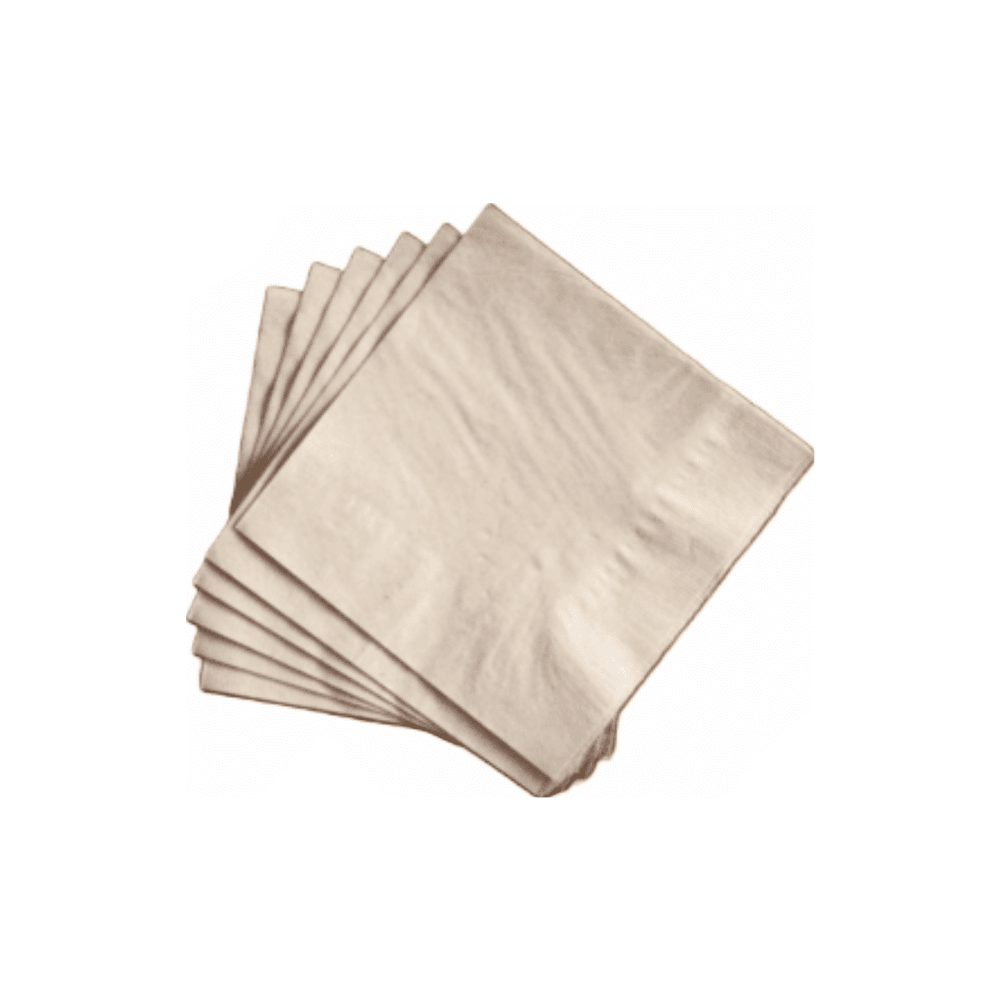
Cocktail napkins are small square napkins, typically measuring 5″ x 5″, used in bars and restaurants to protect surfaces, hold drinks, and keep guests’ hands dry. Also called beverage napkins or “bev naps,” they’re thinner and more affordable than dinner napkins, designed specifically for drink service rather than dining. Available in 1-ply, 2-ply, and 3-ply thicknesses, they absorb condensation from cold glasses while providing a convenient surface for setting down drinks and small appetizers.
History and Evolution
The term “cocktail napkin” first appeared in 1913, according to the Oxford English Dictionary, during the era when paper napkins were transitioning from a novelty to a bar staple. These early versions were made of linen, predating the paper napkins we know today. During Prohibition in the 1920s, bartenders and patrons used small napkins to discreetly write drink recipes and notes in speakeasies, cementing their place in cocktail culture.
By the mid-20th century, cocktail napkins had evolved from purely functional items to collectibles and branding tools. The 1950s and 60s saw decorative designs become popular, with witty sayings and colorful prints turning napkins into keepsakes. The 1980s and 90s transformed them into marketing assets, as bars and restaurants realized custom-printed napkins could reinforce their brand every time a drink was served.
Functions in Bar Service
Cocktail napkins serve multiple practical purposes beyond their decorative appeal. Placed under drinks, they act as coasters to protect bar tops and tables from water rings caused by condensation. This is especially critical for wooden surfaces and upholstered seating areas where moisture damage can be costly.
Bartenders use them to keep the bar station clean, wiping down spills and maintaining a professional appearance throughout service. Guests appreciate having a napkin to hold their cold glass without getting wet hands, or to set down between sips. They’re also useful for serving small bar snacks like olives, nuts, or cheese cubes without requiring a full plate.
Choosing the Right Napkins
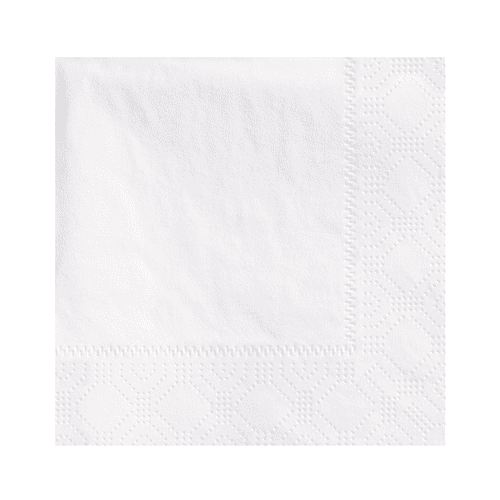
The ply count determines absorbency and durability. 1-ply napkins are economical for high-volume, budget-conscious operations but offer minimal absorption. 2-ply options, like the Plastirun 2-Ply Elegant White Premium Beverage Napkin, provide the best balance of value and quality for most bars. 3-ply napkins offer maximum absorbency for premium establishments serving cocktails with heavy condensation.
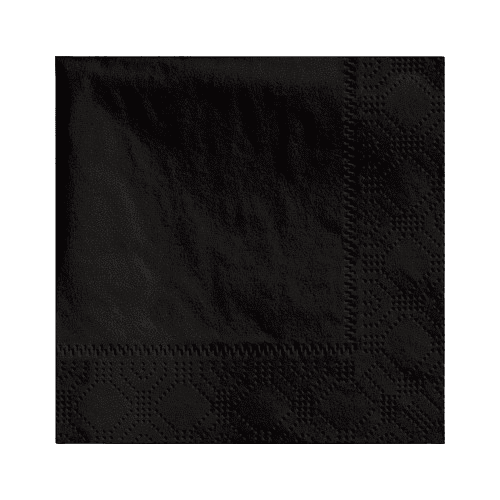
Color and design choices should align with your establishment’s branding. White napkins offer a clean, classic look that works in any setting. Colored options like the Hoffmaster Navy Blue Beverage Napkins can reinforce your brand colors or create a themed atmosphere. Embossed or textured napkins add an upscale feel without significantly increasing cost.
Operational Considerations
Stock cocktail napkins in easily accessible locations near your speed rail and in bar caddies at service stations. This ensures bartenders can grab them quickly during busy service without breaking their flow. Most bars keep at least one stack at each workstation and additional backup supplies in dry storage.
Calculate usage by estimating 1-2 napkins per drink served, plus extras for snacks and spills. High-volume bars may go through several cases per week. Ordering in bulk cases (typically 1,000-3,000 napkins) reduces per-unit cost and ensures you won’t run out during peak service.
Sustainable Options
Eco-conscious operators can choose cocktail napkins made from 100% recycled fibers or recycled content materials without sacrificing quality. Biodegradable and compostable options are increasingly available for establishments with composting programs. For upscale venues prioritizing sustainability, cloth cocktail napkins made from linen or cotton offer a reusable alternative that can be laundered and reused hundreds of times, though they require investment in laundry services and inventory management.
Common Uses
Bartenders and servers place cocktail napkins under every drink served, creating a barrier between the glass and the bar or table surface. They're standard in cocktail lounges, sports bars, nightclubs, and restaurants with full bar service. Guests use them to hold cold glasses without wet hands, wipe condensation, and set drinks down between sips. Bars also use them to present small snacks like olives, nuts, or cheese alongside drinks. Custom-printed napkins double as marketing tools, displaying logos, slogans, or drink menus that reinforce brand identity throughout service.