Meat Tenderizer
A meat tenderizer is a kitchen tool that breaks down tough muscle fibers and connective tissues in meat through mechanical force or blade penetration, making it more tender and easier to chew.
A meat tenderizer is a kitchen tool that breaks down tough muscle fibers and connective tissues in meat through mechanical force or blade penetration. Professional kitchens use tenderizers to transform less expensive, tougher cuts into tender, high-quality dishes that satisfy customers while controlling food costs.
Types of Meat Tenderizers
Manual meat mallets feature two sides: one flat for pounding and flattening, and one textured with pyramid-shaped protrusions for breaking down fibers. Prep cooks use these on cutting boards during mise en place to flatten chicken breasts or tenderize tougher steaks.
Needle and blade tenderizers pierce meat with sharp metal implements, creating channels that allow marinades to penetrate deeper while breaking down connective tissue. These work especially well on thick cuts like flank steak, sirloin, and meat destined for fajitas or stir-fry.
Commercial electric tenderizers process 400+ pounds per hour using multiple razor-sharp blades (31-544 blades depending on the model) attached to stainless steel shafts. Brands like Hobart, Jaccard, Avantco, Globe, and Omcan USA manufacture heavy-duty units that handle cuts up to 1 inch thick while preserving the meat’s natural shape and flavor.
How Restaurants Use Meat Tenderizers
Restaurants purchase tougher, less expensive cuts and use tenderizers to achieve the same quality as premium cuts at a fraction of the cost. This strategy directly impacts profit margins on high-volume items like steaks, chicken dishes, and pork preparations.
The tenderizing process creates pockets in the meat that reduce cooking time and allow seasonings to penetrate more effectively. Line cooks achieve consistent results across multiple orders, ensuring uniform quality during busy service periods.
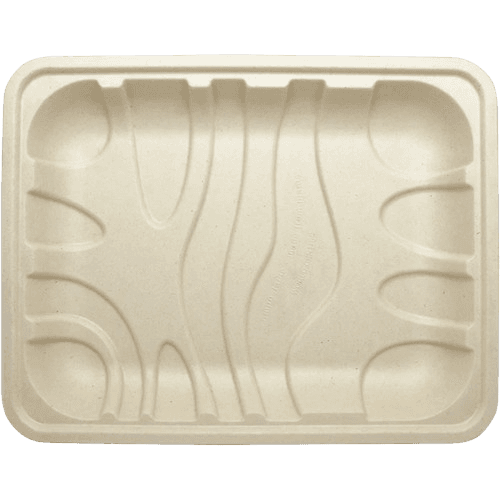
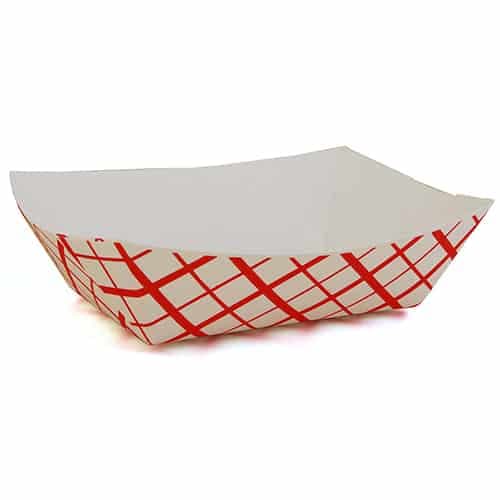
Tenderized meat for fleshy seafood, chicken, pork, and beef appears on food trays or produce and meat trays during prep, organized for easy access during service.
Maintenance and Food Safety
Proper cleaning prevents cross-contamination when processing raw meat. Disassemble the tenderizer according to manufacturer instructions, wash all parts in hot soapy water, rinse thoroughly, and sanitize with food-safe sanitizer.
Allow all components to air dry completely before reassembling. Use color-coded cutting boards designated for raw meat when operating manual tenderizers.
Commercial electric units require daily cleaning between different meat types and at end of shift. Check blade sharpness monthly and replace when performance declines.
Choosing the Right Tenderizer
High-volume operations processing multiple cuts daily benefit from commercial electric models. Look for stainless steel construction, easy-to-clean design, and sufficient blade coverage for your typical cut sizes.
Smaller operations or those tenderizing occasionally can start with quality manual tools. A dual-sided mallet handles most applications, while a blade tenderizer adds versatility for marinated preparations.
Consider placement near your prep table and relationship to other meat processing equipment like meat slicers when designing your kitchen workflow.
Common Uses
Prep cooks use meat tenderizers during mise en place to prepare cuts for lunch and dinner service. The tool appears most frequently when processing less expensive cuts like flank steak, sirloin, and round that require tenderizing to match premium cut quality. Kitchens specializing in Mexican cuisine, stir-fry, or high-volume steak service rely on tenderizers daily to maintain consistent quality while controlling food costs.