Panini Press
A panini press is commercial cooking equipment featuring two heated plates that simultaneously press and grill sandwiches, creating toasted bread with characteristic grill marks while melting fillings.
A panini press is commercial cooking equipment featuring two heated plates that press and grill sandwiches simultaneously, creating toasted bread with characteristic grill marks and melted fillings. Thomas Edison designed the first sandwich press in the 1920s, though these machines didn’t gain widespread commercial adoption until panini became internationally popular through Milanese paninoteche bars in the 1970s-1980s.
Plate Configurations and Their Uses
Plates come in three configurations that determine the finished appearance of your sandwiches. Grooved or ridged plates create classic grill marks and allow grease to drain away from food—the standard choice for traditional panini operations. Smooth plates provide even contact without marks, better suited for delicate breads like croissants, English muffins, and wraps that might tear on ridges. Combination grooved-top/smooth-bottom models offer the versatility most operations need, creating grill marks on top while preventing bottom sticking.
Power Requirements and Recovery Times
Most commercial panini presses run on standard 120-volt outlets drawing 1400-1800 watts, making them plug-and-play equipment for countertop placement on your prep table. High-volume sandwich shops and cafes benefit from 208-240 volt models that deliver faster recovery times between sandwiches—crucial when you’re turning out dozens during lunch rush. Check your local codes: some municipalities classify panini presses as cooking equipment requiring ventilation hoods, though grease hoods typically aren’t needed.
Common Cooking Surface Sizes
Commercial units range from 8 to 18 inches in width, with the most popular dimensions being 10×10, 10×14, and 14×14 inches. A 10×10-inch surface handles standard deli sandwiches comfortably. Split-top models feature two independent grills side-by-side for cooking multiple different items simultaneously—invaluable when running breakfast and lunch service at the same time.
Beyond Sandwiches: Versatility in Professional Kitchens
Panini presses handle far more than their namesake sandwich. You can cook burgers, steaks, chicken breasts, pork chops, and bacon with consistent contact on both sides, reducing cook times compared to traditional griddle cooking. Grilled vegetables, quesadillas, hash browns, and even omelets work well. Many chefs open the press completely flat to use it as a double flat-top surface for eggs, pancakes, or stir-fry items during breakfast service.
Temperature Guidelines for Different Applications
Set your press to 325-350°F for grilled cheese sandwiches and delicate breads that burn easily. Most panini cook best at 350-375°F—hot enough to crisp bread and create grill marks without charring. Drop to 300-325°F for quesadillas and wraps with thinner tortillas that need gentle heating to melt cheese without making the tortilla brittle.
Essential Maintenance Practices
Wipe down plates daily while still warm using a damp cloth—never pour water directly on hot plates. Brush grooved plates with a grill brush to remove stuck bits from the ridges. Season cast iron plates monthly with a thin coat of oil to prevent rust and maintain non-stick properties. Check temperature accuracy regularly with an infrared thermometer; inconsistent temps affect food quality and cook times.
Packaging Hot Panini for Takeout
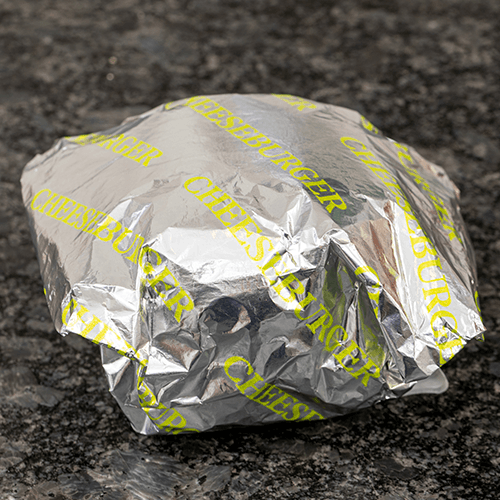
Hot pressed sandwiches need proper packaging to maintain structure and temperature during transport. Foil-to-paper wraps keep panini warm while protecting customers’ hands, preventing the sandwich from steaming itself soggy in closed containers. Proper mise en place of sandwich ingredients positioned near your press speeds service during peak hours when every second counts.
Common Uses
Panini presses are countertop fixtures in cafes, delis, and sandwich shops where space is limited but versatility is essential. Chefs use them for quick-cook items during service—burgers, chicken breasts, and bacon cook faster with heat applied to both sides simultaneously. Breakfast operations often open presses flat to function as double griddle surfaces for eggs and pancakes. The terms "panini grill," "sandwich press," and "panini machine" are used interchangeably in professional kitchens, all referring to the same heated two-plate equipment.