Prep Sheet
A prep sheet is a printed or digital guide that lists all food preparation tasks for a specific day or shift, detailing which ingredients to prepare and in what quantities based on par levels and expected demand.
A prep sheet is a printed or digital guide that lists all food preparation tasks required for a specific day or shift in a commercial kitchen. The document details which ingredients or menu components to prepare and in what quantities, based on expected service demand and established par levels. Restaurants use prep sheets—also called production sheets, par sheets, or prep lists—to ensure every station has the right amount of prepped ingredients ready before service begins.
How Prep Sheets Work
Prep sheets use a simple calculation: Par Level minus Quantity On Hand equals Amount to Prep. The par level represents the optimal quantity of each ingredient needed to meet demand for a specific shift. If your par level for diced onions is three full hotel pans and you currently have one pan on hand, your prep sheet shows you need to dice enough onions to fill two more pans.
Most prep sheets include columns for the item name, par level, current quantity on hand, amount to prep, and station assignment. Some sheets also include sub-ingredients as recipe reminders. Kitchen managers typically organize prep sheets by station—grill, fry, salad, sauté—so each prep cook receives a focused task list for their specific area.
Kitchen Production Planning
Production is divided into major prep and daily prep. Major prep covers items prepared several days to a week in advance that hold well in storage—stocks, sauces, marinated proteins. Daily prep handles items needed for that shift only—fresh-cut vegetables, portioned proteins, items that don’t hold quality overnight.
The restaurant industry follows two common planning guidelines. The 75/25 Rule states that 75% of weekly production gets used Thursday through Sunday, with the remaining 25% covering Monday through Wednesday. The 125% Rule recommends prepping for 125% of estimated needs to prevent running out during unexpected rushes.
Operational Benefits
Prep sheets reduce food waste by preventing over-production. When cooks prepare exact quantities based on sales data rather than estimates, less food spoils in walk-ins. This directly impacts food cost percentages and profit margins.
They also speed up service. Having ingredients washed, cut, portioned, and measured before tickets start printing—what French culinary tradition calls mise en place—lets line cooks focus on cooking rather than basic prep during the rush. A well-executed prep sheet means every station is fully stocked when doors open.
Effective prep sheets require daily updates based on actual sales data, seasonal factors, special events, menu changes, and observed trends. A prep sheet that worked perfectly in January may need adjustment in June when customer preferences shift and different ingredients reach peak season.
Storage and Organization
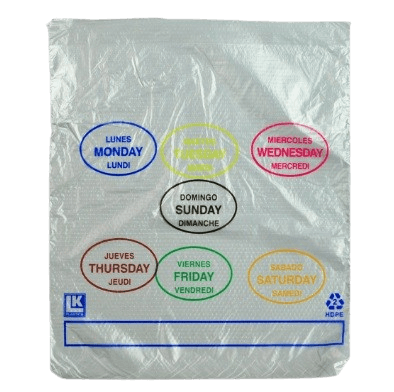
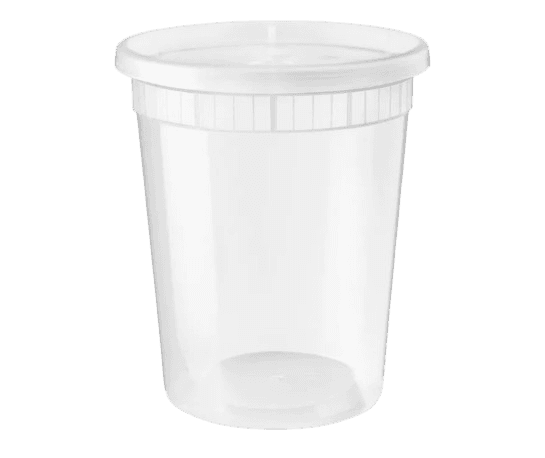
Proper storage of prepped ingredients is critical. Most operations use food storage bags and plastic wrap with date labels to track freshness and support FIFO (First In, First Out) rotation. Prepped items are typically stored in standardized containers like hotel pans to make portioning and inventory counts easier.
Digital prep sheet software is becoming more common in modern kitchens. These platforms automatically calculate amounts to prep based on historical sales patterns, track waste, and adjust recommendations based on actual usage data. However, many successful restaurants still operate effectively with paper prep sheets printed fresh each morning.
Common Uses
Kitchen managers distribute prep sheets at the start of each shift, typically during pre-shift meetings. Prep cooks use them throughout morning or afternoon prep periods to guide their work, checking off items as they complete tasks. Line cooks refer to prep sheets during service to know what's available and what quantities remain. Chefs and kitchen managers review completed prep sheets to identify patterns—items consistently over-prepped indicate par levels need adjustment, while frequent stock-outs suggest increasing quantities. Many restaurants post prep sheets at each station so all team members can see what's been completed and what still needs attention.