Sauté Station
Sauté station refers to the specialized cooking area in a professional kitchen where a chef (saucier) prepares all sautéed items, sauces, gravies, and warm appetizers, typically ranking third in the brigade de cuisine hierarchy.
The sauté station is a specialized cooking area in professional kitchens where a chef prepares all sautéed dishes, sauces, gravies, and warm appetizers. Also called the saucier station, this position is part of the brigade de cuisine system developed by French chef Auguste Escoffier in the late 1800s, which organized kitchen staff into specialized roles based on military hierarchy. The sauté station chef typically ranks third in the kitchen command structure, reporting directly to the sous chef and chef de cuisine.
Role and Responsibilities
The saucier handles what many consider the most technically demanding work in the kitchen. They prepare all sautéed items by cooking food quickly in a pan with a small amount of fat over high heat. They create and finish sauces and gravies that accompany dishes from other stations. In practice, this means the sauté chef often completes dishes started by the grill chef, fish chef, or cold prep station, making them the linchpin of service flow.
In smaller restaurants, one chef may cover both grill and sauté duties during a shift. Larger establishments maintain separate dedicated positions because the workload demands constant attention. During busy service periods, the saucier manages multiple pans simultaneously while coordinating timing with other stations to ensure dishes leave the kitchen properly finished.
Equipment and Setup
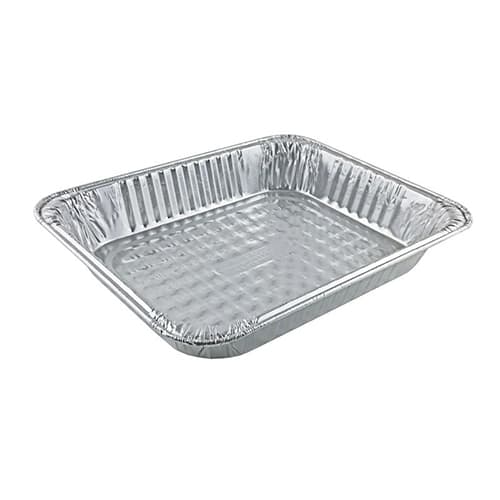
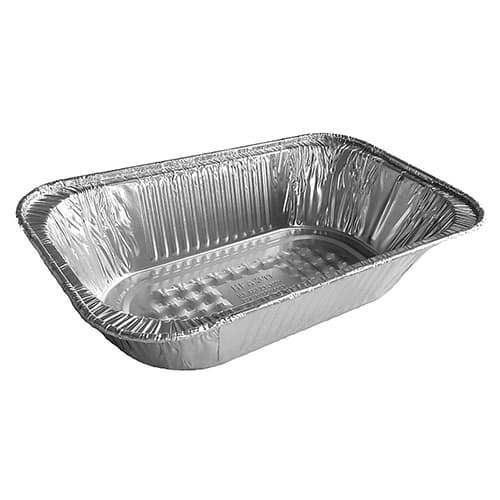
The sauté station centers around high-BTU burners and specialized cookware. Sauté pans feature flat bottoms and sloped sides that allow chefs to flip or “jump” food by tossing the pan. Saucier pans have rounded bottoms and flared walls designed specifically for whisking sauces without ingredients catching in corners. The station typically includes hotel pans in half-size and quarter-size formats to hold prepared sauces, mise en place, and finished items during service.
Organization matters at this station because timing is critical. Chefs arrange sauce bases, stock reductions, finishing butters, and garnishes within arm’s reach. Many stations include a lowboy refrigerator underneath the work surface for quick access to cold items, plus overhead shelves for frequently used seasonings and tools.
Modern Brigade System
Today’s kitchens often modify Escoffier’s original system through cross-training. Chefs rotate through different stations including sauté to build versatile skills and provide coverage during absences. This flexibility helps smaller operations run efficiently without requiring a full traditional brigade. Even in modified systems, the sauté station remains central to kitchen operations because most dishes require sauce work or final pan preparation before plating.
The position requires strong fundamentals in heat control, sauce technique, and timing coordination. Chefs typically work their way up through prep and other stations before advancing to sauté work. The role demands constant communication with the expeditor who calls out orders, plus coordination with every other station to ensure components arrive together for plating.
Common Uses
Chefs and kitchen managers use this term when discussing station assignments during pre-shift meetings: "Who's working sauté tonight?" or "I need backup on the sauté station during the dinner rush." The expeditor calls out orders to this station throughout service: "Sauté, I need two chicken marsala and one pork medallion." In hiring and training contexts, managers look for line cooks ready to move up: "She's been on garde manger for six months—time to cross-train her on sauté." Kitchen designers and consultants reference the sauté station when planning equipment layouts and workflow patterns in new restaurant builds or renovations.