Sheet Pan
A sheet pan is a flat, rectangular metal pan with raised edges (typically 1 inch high) used for baking, roasting, organizing prep, and transporting food in commercial kitchens.
A sheet pan is a flat, rectangular metal pan with raised edges (typically 1 inch high) used for baking, roasting, and other cooking tasks in professional kitchens. Also called a baking tray, baking sheet, baker’s pan, or bun pan in commercial settings, this workhorse piece of equipment handles everything from cookies and roasted vegetables to organizing mise en place and proofing bread dough. Professional operations rely on sheet pans dozens of times daily for prep, cooking, and transport.
Standard Commercial Sizes
Commercial sheet pans follow standardized American sizing: Full (18″ x 26″), 2/3 (16″ x 22″), Half (18″ x 13″), Quarter (9.5″ x 13″), and 1/8 (6.5″ x 9.5″). Full-size sheet pans are designed for commercial ovens and are too large for most home equipment, while half-size pans fit standard residential ovens and dishwashers. These standardized dimensions ensure compatibility with commercial cooling racks, sheet pan racks, and oven configurations.
Materials and Gauge Thickness
Professional sheet pans are typically made from aluminum (most common), stainless steel, or aluminized steel. Gauge thickness determines durability and performance—lower gauge numbers indicate thicker metal (12-gauge is substantially thicker and more warp-resistant than 19-gauge). Thicker pans cost more upfront but withstand the punishment of high-volume commercial use without warping or developing hot spots.
Perforated versions feature holes throughout the pan surface for increased airflow during cooking. These create crisper results for pizza crusts, roasted vegetables, and other items where texture matters. Solid pans work better for cookies, pastries, and any application producing liquids or requiring softer, chewier results.
Beyond Baking Applications
Sheet pans serve far more purposes than their name suggests. Line cooks use them to organize mise en place at their stations, holding prepped ingredients in smaller containers. Bakers proof bread dough on them, butchers transport portioned proteins, and prep cooks catch scraps during vegetable cutting. The raised 1-inch rim contains liquids from roasting meats or caramelizing vegetables while preventing items from sliding off during transport.
European Standards vs. American Sizing
European professional kitchens follow Gastronorm (GN) standards under EN 631 rather than American sheet pan sizing. GN pans use metric dimensions with standard depths of 20mm, 40mm, 65mm, 100mm, 150mm, and 200mm. This system overlaps with but differs from hotel pan sizing, which also follows GN standards. American sheet pans and European GN pans are not interchangeable with most commercial equipment.
Buying Considerations
When selecting sheet pans for your operation, match the size to your oven dimensions and dishwasher capacity. Half-size pans offer the most versatility for operations with mixed commercial and residential equipment. Invest in lower-gauge (thicker) pans for high-heat applications and heavy use—they resist warping and distribute heat more evenly. Buy extras: most operations need at least 8-12 sheet pans per station to accommodate prep, cooking, and cooling simultaneously.
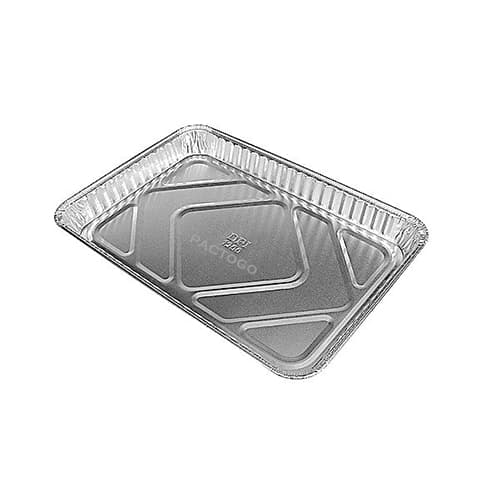
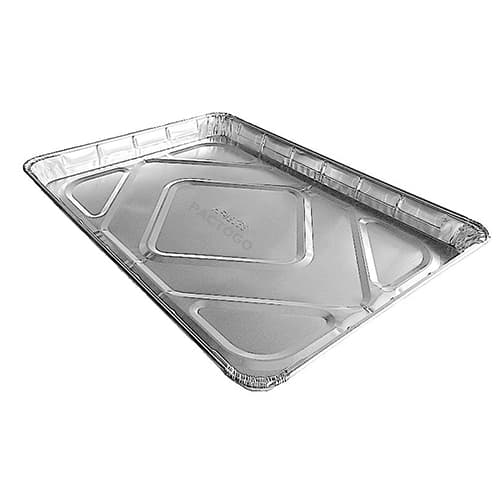
For catering operations or high-volume baking that doesn’t require pan returns, consider disposable aluminum alternatives that eliminate washing and storage. These work particularly well for off-site events where bringing equipment back creates logistical challenges.
Key Properties
Common Uses
Sheet pans handle multiple roles in professional kitchens beyond their primary baking function. Line cooks use them to organize mise en place, holding containers of prepped ingredients at their stations throughout service. Bakers proof bread dough on them, taking advantage of the contained space and easy transport to the oven. Prep cooks slide them under cutting boards to catch vegetable scraps and trimmings. The 1-inch raised rim makes them ideal for roasting vegetables and meats, containing rendered fats and pan juices without spillage. Pastry teams use them for everything from cookie production to transporting delicate plated desserts. In high-volume operations, sheet pans function as portable work surfaces that move seamlessly from prep table to oven to cooling rack.