Squeeze Bottle
A squeeze bottle is a flexible plastic container with a controlled dispensing tip used in commercial kitchens to apply sauces, oils, dressings, and toppings with precision by applying pressure to the bottle's body.
Squeeze bottles are flexible plastic containers that dispense liquids and semi-liquids through a controlled nozzle or tip when pressure is applied to the bottle’s body. Found in virtually every commercial kitchen, these versatile tools allow chefs and kitchen staff to apply sauces, oils, dressings, and toppings with precision — whether plating an entrée, oiling a griddle, or dressing a salad.
Types and Design Features
Most commercial squeeze bottles are made from polyethylene or BPA-free plastic that can withstand repeated dishwasher cycles. They range from small 8-12 oz bottles for specialty sauces to 32 oz bottles for high-volume ingredients like cooking oil or vinaigrette. The tip style matters: cone tips work for general dispensing, wide-mouth openings accommodate thick sauces like aioli or barbecue sauce, and precision tips enable the detailed plating work that became popular in fine dining during the 1990s.
FIFO (first-in-first-out) squeeze bottles dispense product from the bottom rather than the top. This design ensures older product gets used first, reducing waste and supporting proper inventory rotation — particularly important for perishable sauces and dressings. Many bottles include measurement markings on the side to track remaining capacity and ribbed exteriors for a secure grip when hands are wet or greasy.
Practical Applications
On the line, squeeze bottles hold everything from finishing oils and balsamic reductions to house-made hot sauces and vinaigrettes. They enable portion control that reduces overpouring and waste — especially valuable for expensive ingredients like truffle oil or aged balsamic. Prep cooks use them to oil pans, dress composed salads, and store batch-prepped sauces.
For plating, squeeze bottles give chefs control over artistic sauce work: drizzles, dots, lines, and decorative patterns that would be difficult to achieve with a spoon or ladle. The modern squeeze bottle valve — a silicone dome with slits that opens under pressure and closes when released — was developed by Paul Brown and Tim Socier in the late 1980s after 111 prototypes. This valve prevents drips and allows for clean, controlled dispensing.
Kitchen staff typically label squeeze bottles with tape and marker, noting contents and prep date. This practice prevents confusion during service and supports food safety compliance. Some operations use color-coded bottles (yellow for mustard-based sauces, red for tomato-based, clear for oils) for instant visual identification during busy shifts.
Alternatives and Complementary Products
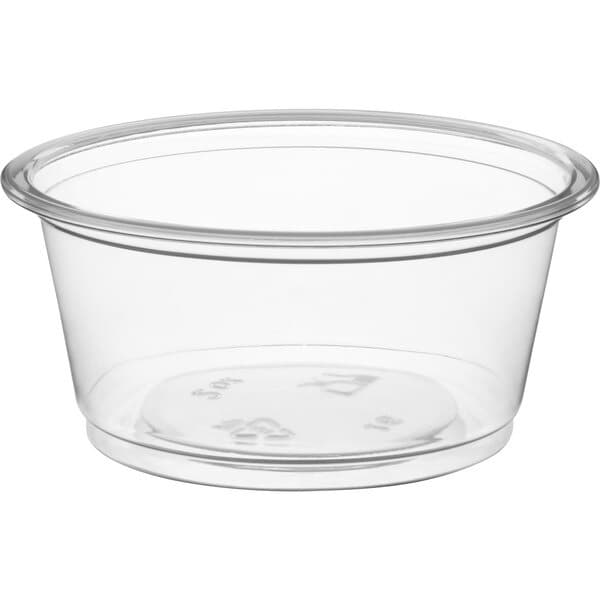
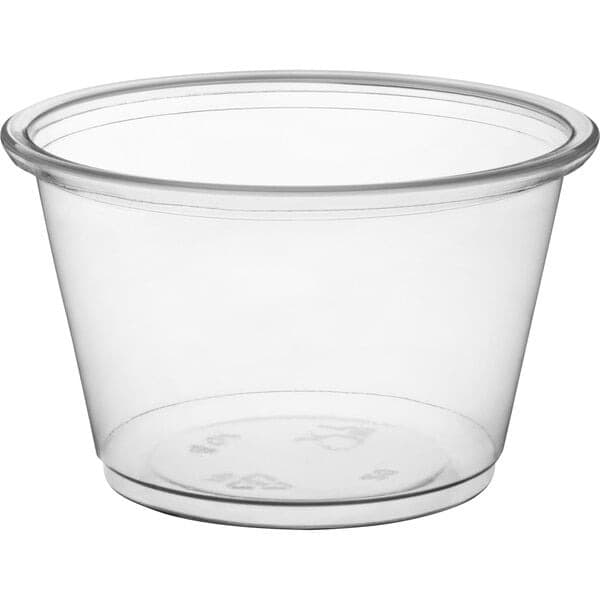
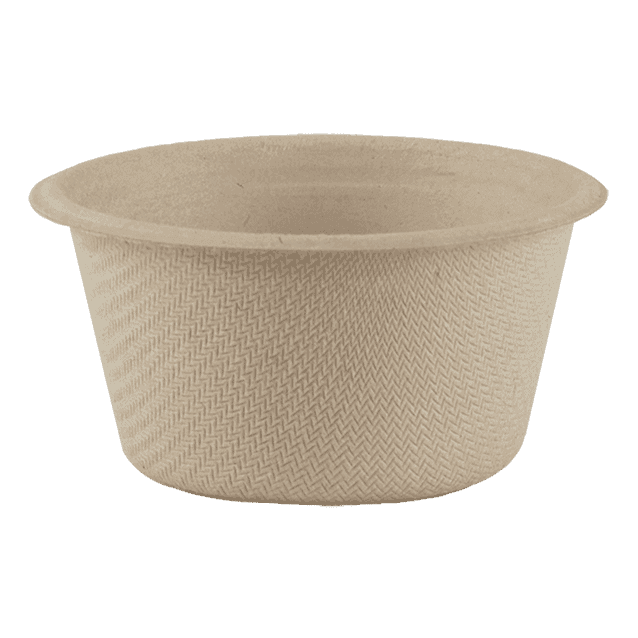
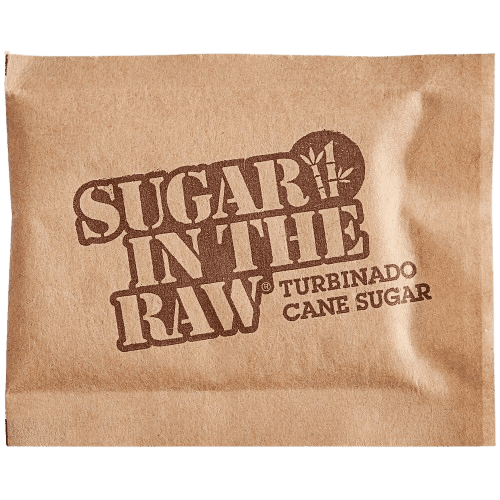
For takeout and delivery, squeeze bottles aren’t practical — condiment packs serve this need better. Tableside sauce service often calls for ramekins or portion cups rather than squeeze bottles, particularly in upscale dining where presentation matters. Some kitchens use 2 oz or 4 oz portion cups for pre-portioned sauces when consistent servings are more important than tableside drama.
Maintenance and Longevity
Commercial squeeze bottles are dishwasher safe, though hand washing with hot soapy water extends their lifespan by preventing warping and maintaining tip flexibility. The valve and cap assembly should be disassembled and cleaned separately to prevent residue buildup. Replace bottles when plastic becomes cloudy, cracked, or when tips lose their spring-back action — signs that the material has degraded and may affect food safety.
Key Properties
Common Uses
Squeeze bottles appear on prep stations and cooking lines in restaurants of all types. Line cooks use them to finish plates with sauce drizzles, oil pans between orders, and dress salads to order. Prep cooks fill them with house-made vinaigrettes, hot sauces, and finishing oils during mise en place. Pastry chefs use precision-tip bottles for chocolate work and sauce decoration. The bottles get labeled with tape and marker showing contents and date prepped. In fine dining, chefs use them for plating techniques — dots, lines, and decorative sauce work. Fast-casual and QSR operations rely on them for consistent portioning of high-cost ingredients like specialty aiolis or truffle oil.
Sustainability
Squeeze bottles reduce waste through reusability and precision dispensing. Unlike single-use sauce packets, commercial squeeze bottles last for months of daily dishwasher cycles. Their controlled dispensing prevents overpouring and reduces product waste, particularly important for expensive ingredients. FIFO bottles specifically minimize spoilage by ensuring older product gets used first. Most modern squeeze bottles use BPA-free plastic formulations that balance food safety with durability.